

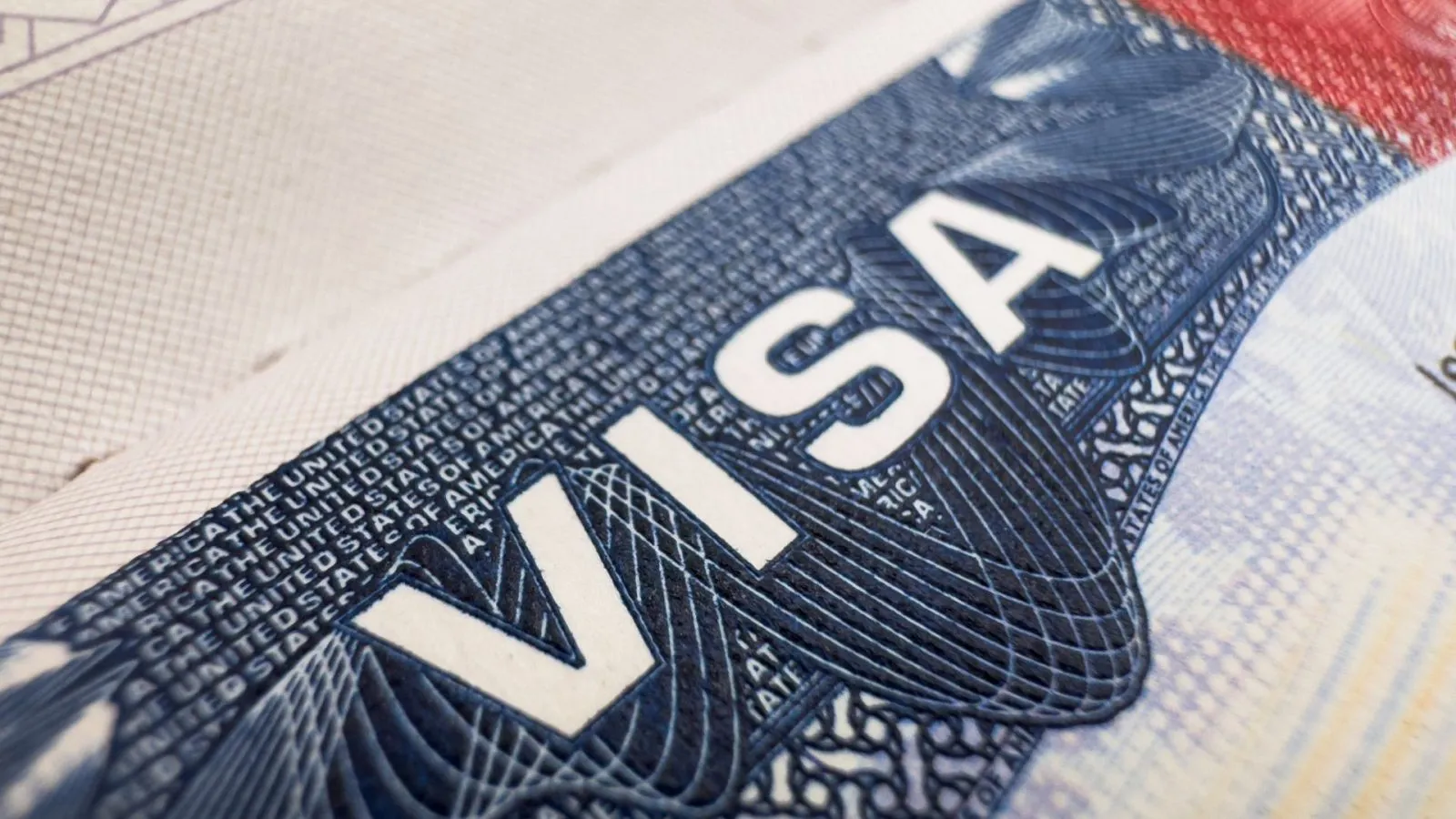

Washington | The United States is set to impose an indefinite pause on visa processing for citizens of 75 countries starting January 21, as part of a broader review of screening and vetting procedures. During this period, consular officers have been directed to apply the immigration law’s “public charge” provision more stringently, potentially denying visas to applicants deemed likely to depend on government benefits in the US.
According to officials familiar with the matter, the decision is aimed at reassessing existing visa adjudication standards while enforcing current legal thresholds more rigorously. Countries expected to be affected include Russia, Iran, Afghanistan, Brazil, Iraq, Egypt, Nigeria, Thailand and Yemen, among others. However, the US State Department has not yet released an official or comprehensive list of the countries covered under the pause.
Certified Cyber Crime Investigator Course Launched by Centre for Police Technology
Policy documents indicate that only “very limited” exceptions will be permitted during the suspension, and only after applicants clearly meet public charge criteria. Authorities said visa applications will continue to be adjudicated under existing law, but approvals will be tightly constrained until the review is completed.
What Has Changed
Under the revised guidance, consular officers have been instructed to conduct a more aggressive assessment of an applicant’s likelihood of becoming a public charge. Factors to be weighed include age, health condition, English-language proficiency, financial resources, employment prospects, and the potential need for long-term medical or institutional care. Prior reliance on cash-based government assistance or institutionalisation may also count against applicants.
A State Department spokesperson told US media that the department intends to exercise its authority to prevent individuals who might “exploit the generosity of the American people” from entering the country. Immigration from the affected countries will remain paused while the reassessment of procedures is underway.
Heightened Focus on Select Countries
Among the countries drawing closer scrutiny is Somalia, which has been cited in connection with a major fraud investigation in Minnesota involving alleged misuse of taxpayer-funded benefit programmes. Federal prosecutors have said several of those charged in the case were Somali nationals or Somali-Americans, a factor officials have pointed to as part of the broader context behind tightening screening norms.
Policy Background
The public charge provision has been part of US immigration law for decades, but its interpretation and enforcement have shifted across administrations. In 2019, the Trump administration expanded the definition to cover a wider range of public benefits, a move that faced legal challenges and was later rolled back in part. In 2022, the Biden administration narrowed the scope, focusing primarily on cash assistance and long-term institutional care, while excluding programmes such as SNAP, WIC, Medicaid and housing vouchers.
What Lies Ahead
Officials and analysts say the visa pause could remain in place until the procedural review is completed, with no clear timeline announced so far. Applicants from affected countries have been advised to strengthen their documentation—particularly proof of financial stability, health insurance and income sources—and to monitor official announcements closely.
The full impact of the measure is expected to become clearer only after the State Department issues formal guidance and an official country list. Until then, the tightening of visa processing from January 21 is likely to usher in a period of uncertainty and extended waiting for prospective US visa applicants across the affected regions.
About the author — Suvedita Nath is a science student with a growing interest in cybercrime and digital safety. She writes on online activity, cyber threats, and technology-driven risks. Her work focuses on clarity, accuracy, and public awareness.
