

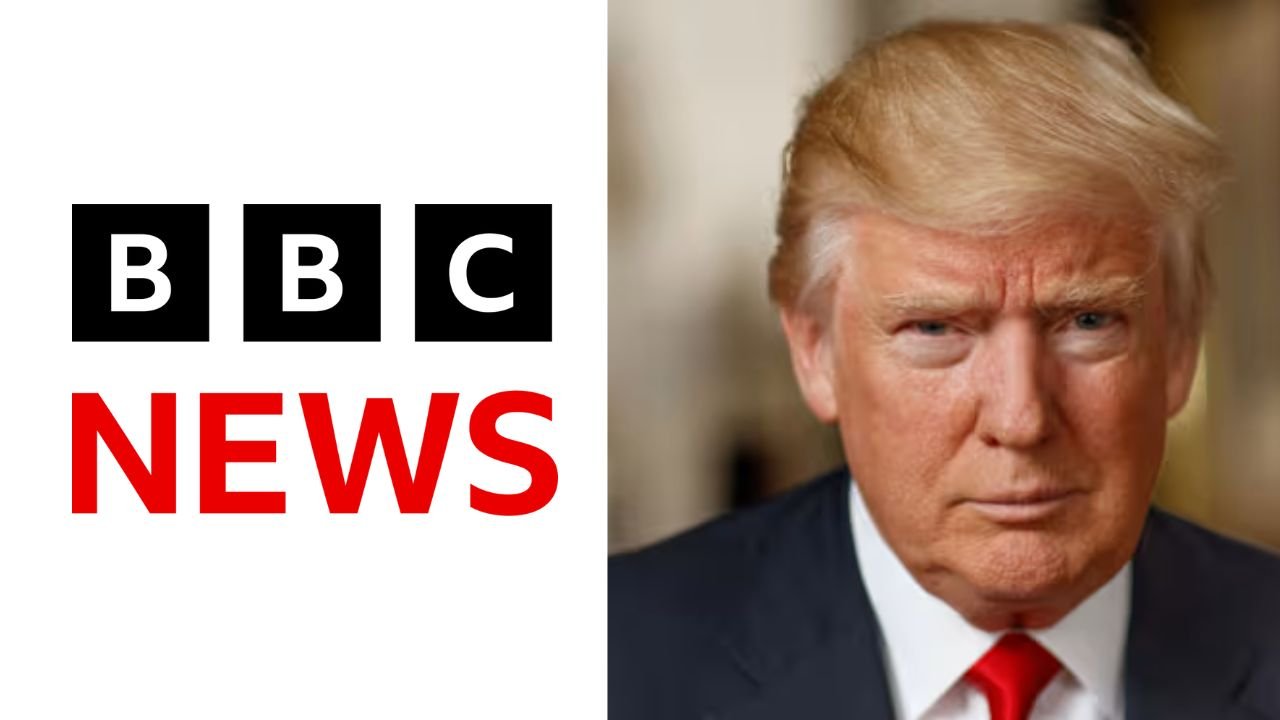

Washington | January 13, 2026 | British public broadcaster BBC has moved to seek dismissal of a massive ₹83,000-crore defamation lawsuit filed by US President Donald Trump, urging a federal court in Florida to throw out the case on jurisdictional and legal grounds. The lawsuit stems from an episode of the BBC’s investigative programme Panorama, which examined Trump’s speech delivered on January 6, 2021, ahead of the US Capitol violence.
According to court filings, the BBC has argued that the Florida court lacks personal jurisdiction over the broadcaster, that the venue is legally improper, and that the plaintiff has failed to establish a valid defamation claim. The broadcaster has also requested the court to halt the discovery process—the pre-trial exchange of documents and evidence—until the motion to dismiss is decided.
Certified Cyber Crime Investigator Course Launched by Centre for Police Technology
Background of the editing controversy
The dispute centres on a Panorama episode aired in 2024 that included edited excerpts from Trump’s speech delivered to supporters near the White House on January 6, 2021. The programme juxtaposed two portions of the speech to suggest that Trump urged his supporters to march to the Capitol and “fight like hell”.
Subsequent scrutiny revealed that the statements shown consecutively in the programme were delivered nearly an hour apart during the original address. Critics alleged that the editing created a misleading impression regarding Trump’s intent and the sequence of events leading up to the Capitol attack.
The BBC has previously acknowledged the editing as an “error of judgment” and issued an apology. However, it has maintained that the mistake does not amount to defamation under US law, arguing that an editorial lapse does not equate to deliberate falsehood or malicious intent.
Jurisdiction and distribution disputed
A central pillar of the BBC’s defence is its claim that the contested Panorama episode was never broadcast in the United States. The broadcaster noted that BBC iPlayer and BBC One, the platforms on which the programme aired, are not available to US audiences.
The BBC has also disputed Trump’s assertion that the documentary was accessible in the US through the streaming service BritBox. Court documents submitted by the broadcaster state that a basic check of the cited link confirms the programme was not available on the platform.
Based on these factors, the BBC has argued that the programme could not have caused any meaningful harm to Trump’s reputation among US viewers—an essential element for sustaining a defamation claim.
The ‘actual malice’ standard
Under US defamation law, public officials must demonstrate that allegedly defamatory content was published with “actual malice”, meaning it was either knowingly false or published with reckless disregard for the truth.
The BBC has contended that Trump has failed to plausibly establish this standard. The broadcaster has further warned that allowing discovery to proceed would enable an overly broad inquiry into a decade or more of BBC coverage related to Trump, a move it has described as excessive and objectionable.
Damages sought and legal trajectory
Trump has sought damages of ₹41,500 crore on two separate counts, totalling approximately ₹83,000 crore. The claims relate to alleged defamation and purported violations of Florida’s Deceptive and Unfair Trade Practices Act.
If the case is allowed to proceed, a 2027 trial date has been proposed. The lawsuit has drawn significant attention within global media circles, particularly in light of Trump’s recent legal victories and settlements involving major US media organisations.
BBC stands firm
The BBC has reiterated that it will vigorously defend the case but has declined to comment further on the substance of the proceedings, citing the ongoing nature of the litigation.
The outcome of the dismissal motion is expected to be closely watched, as it could have broader implications for international broadcasters, cross-border jurisdiction, and editorial liability in the digital era.
About the author — Suvedita Nath is a science student with a growing interest in cybercrime and digital safety. She writes on online activity, cyber threats, and technology-driven risks. Her work focuses on clarity, accuracy, and public awareness.
