

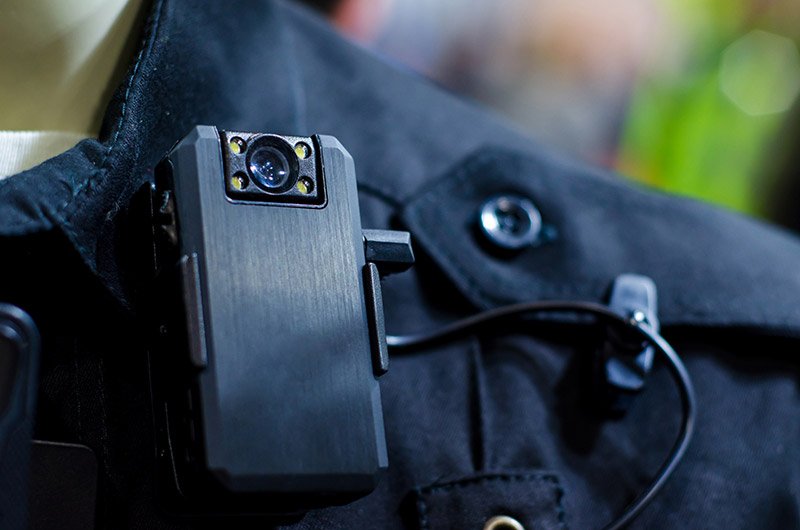

LUCKNOW: In Uttar Pradesh’s long fight against electricity theft, a quiet but consequential shift is underway. Vigilance teams conducting raids will now wear GPS-enabled body cameras, creating a permanent digital record of enforcement encounters that officials say is meant to protect evidence, curb abuse and reshape a system long clouded by allegations.
A Digital Turn in an Old Problem
For decades, electricity theft has been a persistent challenge in Uttar Pradesh, draining public resources and straining relations between power utilities and consumers. Official estimates put annual losses from power theft at around ₹5,000 crore, a figure that directly affects the financial health of distribution companies and, by extension, the tariffs paid by paying customers.
In recent years, the state’s power department has intensified enforcement, including late-night, door-to-door inspection drives. These operations, while aimed at curbing illegal connections and meter tampering, have also generated controversy, with consumers and civil-society groups alleging harassment, extortion and selective enforcement. It is against this backdrop that the decision to equip vigilance and departmental inspection teams with GPS-linked body-worn cameras has taken shape.
Certified Cyber Crime Investigator Course Launched by Centre for Police Technology
The cameras, approved after nearly two years of internal deliberation, are being presented by officials as a technological intervention designed to bring consistency and credibility to a fraught process.
Evidence That Cannot Be Erased
According to officials familiar with the rollout, the cameras will continuously record raids and inspections, creating video evidence that cannot be deleted or altered in the field. This feature, they say, is central to the reform. In disputes that often devolve into conflicting accounts between inspectors claiming theft and consumers alleging excesses the recordings are intended to serve as an objective record.
The footage is also expected to strengthen the department’s legal position. In court proceedings related to power theft, the absence of clear, verifiable evidence has frequently complicated prosecutions. With video documentation, officials argue, allegations of tampering or fabricated cases will be harder to sustain.
At the same time, the presence of cameras is meant to protect enforcement staff themselves, who have at times faced accusations of assault or misconduct during volatile inspections. The recordings, officials say, will provide context in such cases, reducing reliance on testimony alone.
Watching the Watchers
Beyond recording video, the devices are integrated with GPS technology, allowing supervisory offices to track, in real time, where inspection teams are deployed and how long they remain at a given location. Senior officers will be able to monitor raids live from control rooms, a measure intended to tighten oversight and reduce opportunities for off-the-books settlements.
Consumer representatives have long alleged that while small users face aggressive investigation, large defaulters and industrial units are sometimes treated leniently. The department’s leadership has suggested that location tracking and live feeds will make such selective enforcement more difficult, creating an auditable trail of who was inspected, when and under what circumstances.
State electricity consumer bodies have welcomed the move. Their representatives argue that transparency cuts both ways: it can deter corruption within vigilance teams while also discouraging false accusations against them.
