
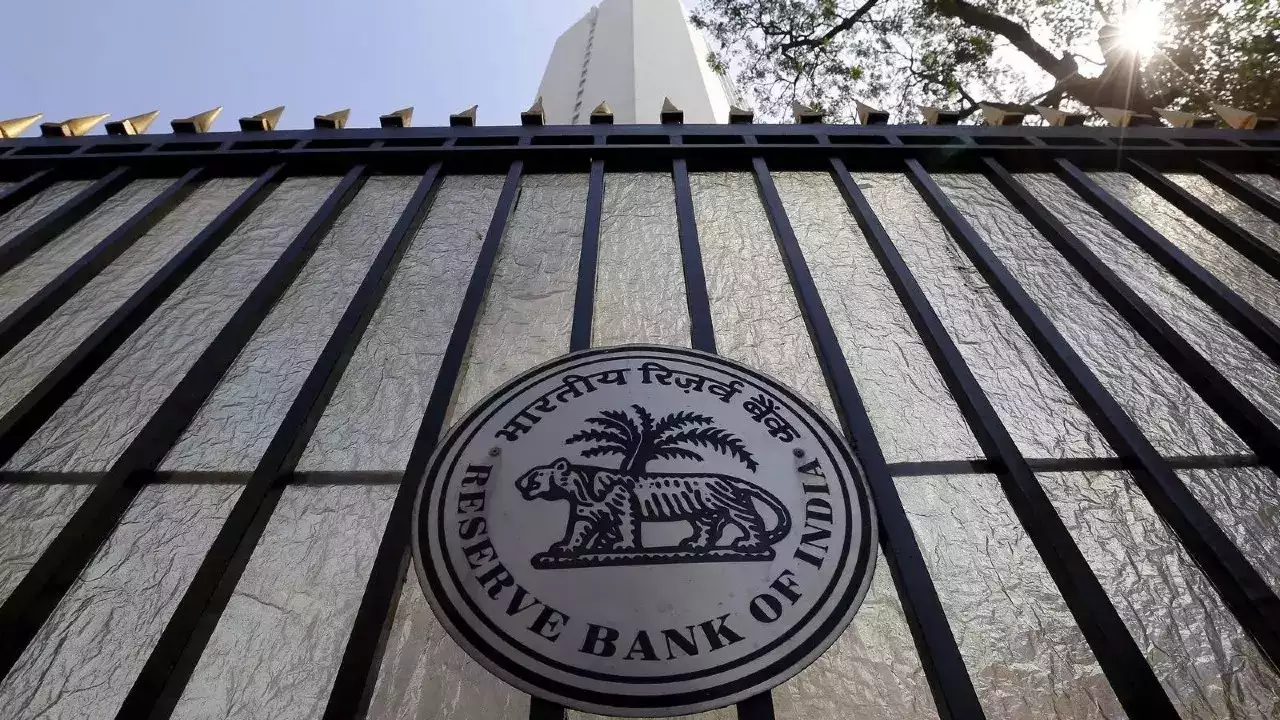
The Reserve Bank of India has urged banks and financial institutions to work towards a “zero-fraud” ecosystem and ensure greater transparency in the pricing of banking products and services, warning that customer trust remains the single most critical pillar of a stable and inclusive financial system.
Addressing the concluding session of the 21st Indian Banking Technology Conference in Mumbai, an RBI Deputy Governor said transparency in pricing and product design was essential to prevent customers from drifting towards alternative platforms and informal systems.
Referring to the rapid pace of technological change, the official said banks cannot assume that existing business models or functions will remain relevant in the future, particularly in areas such as payments, where disruption has been swift and significant.
Certified Cyber Crime Investigator Course Launched by Centre for Police Technology
“If products and services are not priced in a manner that is transparently conveyed to customers, there is always a risk that they will look for other options,” the Deputy Governor said, adding that while India’s banking system has made progress in efficient pricing, more work is needed to ensure fairness and clarity.
The RBI official said transparency was not merely a regulatory requirement but a trust-building exercise, especially at a time when digital banking and payment systems are handling billions of transactions every day. Trust, he said, is fundamental to customer retention and the long-term credibility of the banking ecosystem.
While acknowledging that India’s banking sector compares favourably with global peers in terms of pricing efficiency, the Deputy Governor cautioned that even small lapses in transparency could weaken public confidence. He emphasised the need for basic principles that reassure customers that the charges they pay are reasonable and non-exploitative.
Highlighting the role of technology, the official said banks should explore collaborative models that use digital tools to achieve aggregation and pricing efficiency. Such approaches, he noted, may not always involve direct retail interfaces but can still help improve outcomes for customers.
He also called on banks to work together on developing transparent pricing mechanisms, suggesting that collaboration, rather than isolated innovation, would deliver the best results. “Innovation works best when many minds come together,” he said, inviting industry stakeholders to share concrete suggestions.
On the issue of fraud, the Deputy Governor noted that incidents in payment systems have declined over time, particularly in card-based transactions. However, he cautioned that even lower fraud ratios can translate into large absolute numbers given the scale of India’s digital payments ecosystem.
Citing data on the Unified Payments Interface (UPI), he said the incidence of fraud stood at about 0.68 cases per lakh transactions. With daily transaction volumes touching around 70 crore, this still amounts to nearly 4,800 fraudulent transactions every day.
“While these numbers may appear small when viewed against overall transaction volumes, they remain significant because of the sheer size of the user base,” he said. “Every instance of fraud poses a risk to trust — not just for customers, but also for banks and system providers.”
The Deputy Governor stressed that even low levels of fraud are unacceptable for a system of India’s scale and ambition. He clarified that a “zero-fraud” goal does not imply that fraud can be completely eliminated, but that striving towards it keeps institutions vigilant and focused on continuous improvement.
“Our objective should be to build systems that minimise such events and preserve trust, so that digital payments continue to grow and support financial inclusion,” he said.
The remarks come amid growing regulatory focus on consumer protection, data security and operational resilience, as India’s banking and payments infrastructure undergoes rapid digitisation.
Analysts said the RBI’s emphasis on transparency and fraud prevention reflects broader concerns about sustaining confidence in digital finance, particularly as newer users enter the system from semi-urban and rural areas.
With transaction volumes continuing to surge, experts believe banks will need to invest more in fraud detection, customer education and inter-bank coordination to meet the regulator’s expectations.
The central bank, they said, is signalling that trust — built through transparency, fair pricing and strong safeguards — will remain at the core of India’s evolving banking framework.
About the author – Rehan Khan is a law student and legal journalist with a keen interest in cybercrime, digital fraud, and emerging technology laws. He writes on the intersection of law, cybersecurity, and online safety, focusing on developments that impact individuals and institutions in India.
