

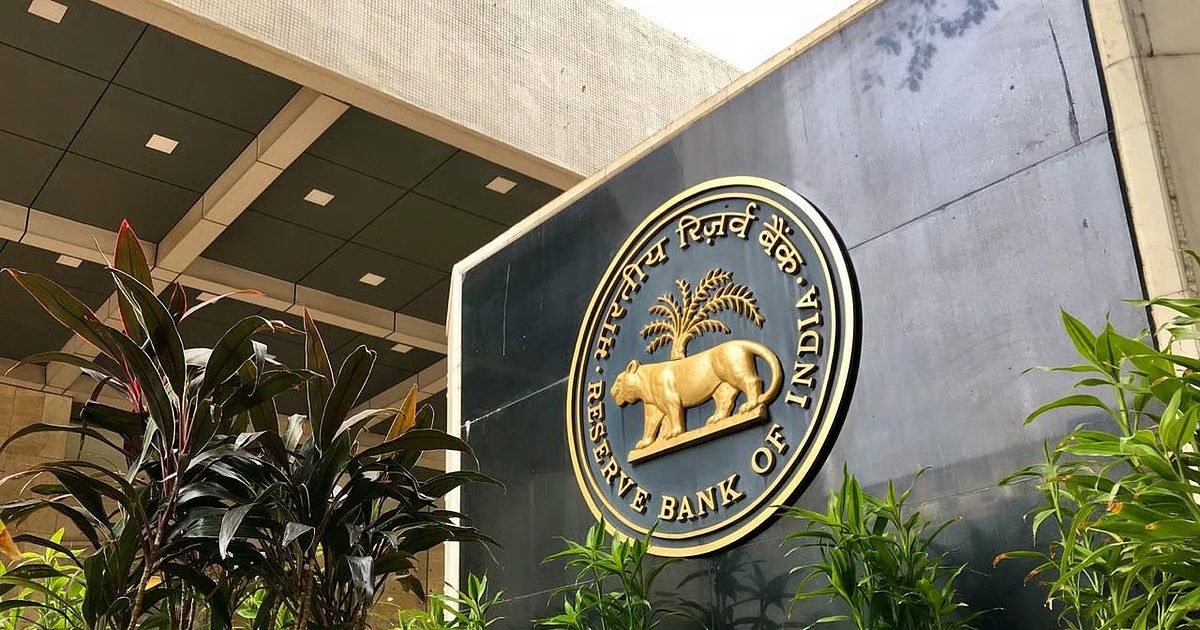

In a sweeping regulatory action at the turn of the year, India’s central bank quietly removed dozens of non-bank lenders from the financial system, citing persistent failures to meet basic compliance standards. The move, spanning both forced cancellations and voluntary exits, reflects a tightening supervisory posture toward a sector long seen as both essential and vulnerable.
A Quiet Purge at the End of the Year
Between December 9 and December 31, 2025, the Reserve Bank of India revoked the Certificates of Registration (CoR) of 35 Non-Banking Financial Companies (NBFCs). The cancellations were formally disclosed in January 2026, alongside a separate but related development: 16 additional NBFCs voluntarily surrendered their registrations during the same period.
Taken together, the actions affected 51 entities—an unusually large number in a single regulatory sweep. The RBI attributed the forced cancellations to failures in meeting mandatory regulatory requirements, a phrase that encompasses capital adequacy norms, compliance obligations, and registration conditions laid down under the RBI Act, 1934.
Certified Cyber Crime Investigator Course Launched by Centre for Police Technology
While the central bank did not single out individual companies in its broader communication, the clustering of cancellations within a narrow time window underscored a deliberate supervisory exercise rather than isolated enforcement.
The Legal Power Behind the Decision
The RBI’s authority to cancel an NBFC’s registration flows from Section 45-IA(6) of the RBI Act, 1934. Under this provision, the central bank may revoke a CoR if an entity no longer fulfils the conditions under which registration was granted or fails to comply with regulatory directions.
Registration itself is not optional. Section 45-IA of the Act mandates that any company seeking to operate as an NBFC must first obtain a CoR from the RBI and maintain prescribed standards on an ongoing basis. Among the most critical requirements is the maintenance of minimum Net Owned Funds (NOF) of ₹10 crore—a threshold that can be higher for certain categories of NBFCs depending on their business model and risk profile.
RBI officials have consistently maintained that these requirements are not procedural formalities but foundational safeguards designed to ensure that NBFCs have the financial capacity to absorb losses and protect stakeholders.
What Cancellation Means in Practice
Once an NBFC’s CoR is cancelled, the consequences are immediate and final. The entity is barred from carrying on any NBFC business as defined under Section 45-I(a) of the RBI Act. It cannot operate as a non-bank financial institution in any form, nor can it resume such activities through voluntary restoration of registration.
Cancelled NBFCs remain subject to RBI enforcement actions, including potential penalties, if violations of the regulatory framework are detected even after cancellation. The revocation does not extinguish past liabilities or regulatory exposure.
This finality distinguishes cancellation from supervisory restrictions or corrective action plans. In regulatory terms, it marks the end of an entity’s licensed presence in the financial system.
A Signal to the Sector
The RBI has framed the cancellations as part of its broader supervisory framework, aimed at proactively identifying and addressing risks within the NBFC sector. By removing non-compliant entities, the central bank positions itself as reducing systemic vulnerabilities, protecting consumers, and reinforcing market integrity.
Officials have also pointed to the effect on investor confidence, arguing that a financial ecosystem populated only by compliant and adequately capitalised institutions is more stable and credible over time.
