
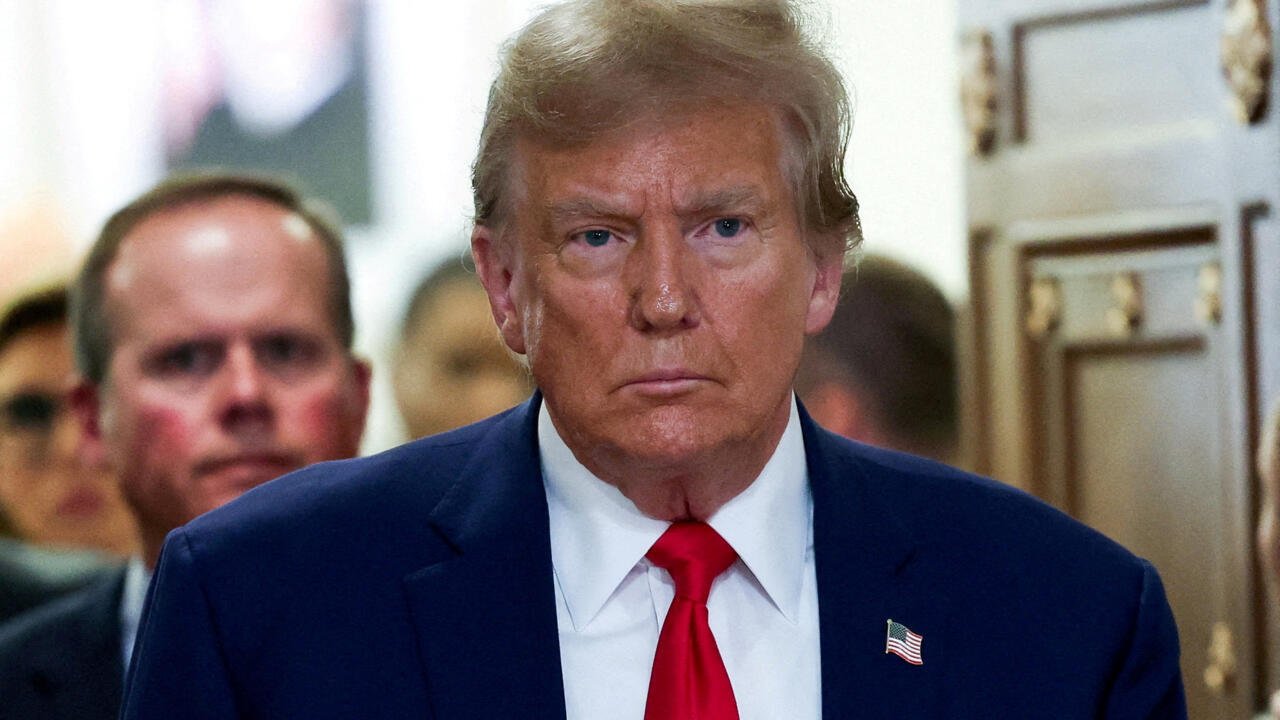
Former US President Donald Trump has announced plans to impose a temporary 10% cap on credit card interest rates, framing the move as a consumer-friendly measure aimed at easing the financial burden on American households grappling with high borrowing costs.
In a post on his social media platform, Trump said credit card companies charging interest rates of 20% to 30% or higher were “ripping off” the American public. He blamed the Biden administration for allowing such practices to continue unchecked and positioned his proposal as a corrective intervention.
According to Trump, the proposed cap would come into effect on January 20, 2026, and remain in place for one year. He described the date as marking the first anniversary of what he called his “very successful” return to the White House.
Final Call: FCRF Opens Last Registration Window for GRC and DPO Certifications
What has Trump announced?
Trump said he would seek to enforce a nationwide cap of 10% on credit card interest rates, significantly lower than prevailing levels in the US market. The objective, he said, is to make revolving credit more affordable at a time when many Americans are struggling with elevated living costs, high rents and accumulated consumer debt.
While details remain sparse, Trump suggested the measure would apply broadly across the credit card industry, targeting what he described as excessive profit-making by lenders at the expense of ordinary consumers.
Why credit card rates are under scrutiny
Credit card interest rates in the US have climbed sharply over the past few years, largely tracking the US Federal Reserve’s aggressive interest rate hikes aimed at curbing inflation. As benchmark rates rose, average credit card annual percentage rates (APRs) moved to historically high levels, making unpaid balances significantly more expensive for consumers.
Analysts say Trump’s proposal taps into growing voter frustration over household finances. By focusing criticism on credit card companies rather than inflation or monetary policy, the former president appears to be seeking to position himself as a defender of middle-class borrowers.
Can a US president cap interest rates?
Despite the announcement, policy experts caution that implementing a nationwide cap on credit card interest rates would not be straightforward. Interest rate regulation in the US is shaped by a combination of federal laws, state-level rules and banking regulations.
Any binding cap would likely require congressional approval and could face legal challenges from banks and financial industry groups. Historically, lenders have argued that interest rate caps could restrict access to credit, particularly for borrowers with weaker credit profiles, and may lead to tighter lending standards.
Trump did not clarify whether the proposed cap would apply to existing credit card balances or only to new borrowing, nor did he outline how the policy would be enforced.
Industry and political response awaited
The financial industry is expected to scrutinise the proposal closely. Banking groups have long opposed interest rate ceilings, warning that they could disrupt credit markets and reduce the availability of unsecured loans.
Lawmakers, regulators and consumer advocacy groups are also likely to weigh in, with debates expected around feasibility, unintended consequences and the balance between consumer protection and financial stability.
What happens next?
At this stage, Trump’s announcement signals a policy intent rather than an immediately enforceable rule. Translating the proposal into law would require legislative backing and coordination with financial regulators, making its implementation uncertain.
For consumers, however, the plan—if enacted—could sharply reduce interest costs on outstanding credit card debt, offering relief to millions of households. Until more details emerge, questions remain over timelines, scope and the likelihood of the proposal surviving legal and political scrutiny.
For now, Trump’s call for a 10% cap has added a new dimension to the US economic debate, putting credit card rates and consumer debt squarely in the political spotlight ahead of the next phase of policy battles in Washington.
About the author – Ayesha Aayat is a law student and contributor covering cybercrime, online frauds, and digital safety concerns. Her writing aims to raise awareness about evolving cyber threats and legal responses.
