

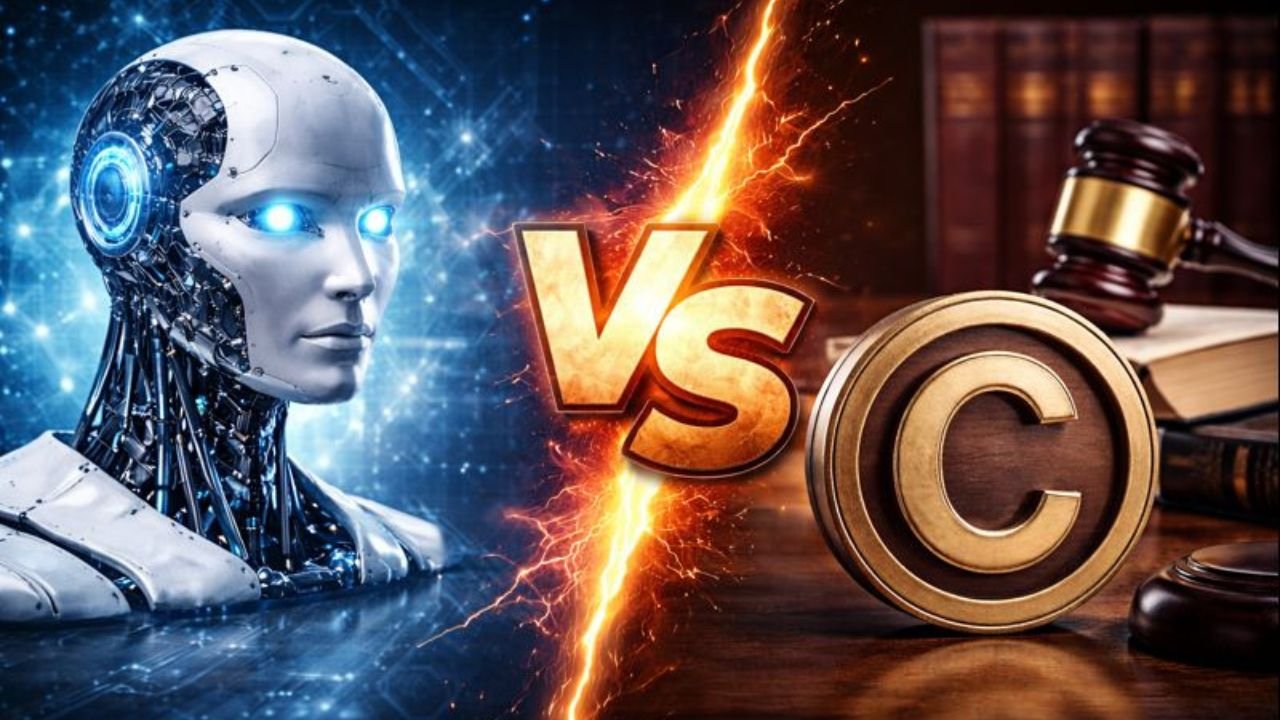

The long-running legal standoff between technology and copyright is entering a decisive phase in 2026. Following a series of fresh lawsuits last year and a landmark $1.5 billion settlement in 2025, U.S. courts are now poised to determine how far generative AI systems can be shielded under copyright law. At stake is whether companies like OpenAI, Google, and Meta can rely on the legal doctrine of fair use, or whether they will have to compensate copyright holders for billions of dollars in potential damages.
The conflict intensified sharply last year. Major copyright holders including The New York Times and Disney filed new lawsuits, while a group of authors secured the record-breaking class action settlement with Anthropic, marking the largest known copyright payout in U.S. history.
Final Call: FCRF Opens Last Registration Window for GRC and DPO Certifications
Federal judges have also begun assessing whether training generative AI qualifies as fair use—a provision that allows limited, unauthorized use of copyrighted material under specific circumstances. Early rulings have been mixed, leaving both copyright holders and the technology industry uncertain about the legal boundaries.
Split Decisions
In most cases, defendants argue that their AI systems make “transformative” use of copyrighted material, meaning the material is converted into something new and different.
In June 2025, U.S. District Judge William Alsup in San Francisco described AI training as “quintessentially transformative,” siding with the company on a key fair use factor. Alsup wrote that copyright law seeks to promote original works of authorship, not to shield authors from competition.
However, Alsup also found the company liable for storing millions of “pirated” books in a centralized library that was not directly tied to AI training. This exposed Anthropic to potential liability of up to $1 trillion—a risk that was ultimately resolved through the December settlement.
Two days later, Judge Vince Chhabria, also in San Francisco, ruled in favor of Meta in a similar case but cautioned that, in many circumstances, AI training might not qualify as fair use. Chhabria highlighted concerns that generative AI could “flood the market” with content, undermining incentives for human creators—one of the core purposes of copyright law.
Alsup dismissed such market-harm concerns, likening them to complaining that “training schoolchildren to write well” creates unfair competition. Chhabria, in contrast, viewed generative AI as a potential existential threat to creative markets.
The Road Ahead
In 2026, several additional hearings are expected, including cases involving Anthropic and music publishers, Google and visual artists, as well as Stability AI and AI music generators. Upcoming rulings could either clarify the scope of fair use for AI or deepen uncertainty, determining whether AI companies will enjoy broad protections or face a licensing regime that could reshape the economics of the industry.
Meanwhile, some major copyright holders have opted for licensing agreements with AI-focused tech companies. Beyond Anthropic’s historic settlement, Disney invested $1 billion in OpenAI in December and permitted the startup to use Disney characters in its Sora AI video generator. Warner Music also settled lawsuits against AI music creators Suno and Udio and agreed to launch joint music-creation platforms with them in 2026.
Thomson Reuters, parent company of Reuters News, licensed its content to Meta for AI system training in 2024. The company is also involved in an ongoing copyright dispute with former legal research competitor Ross Intelligence over alleged misuse of Westlaw content in AI training.
Legal experts say 2026 could prove decisive for AI and copyright law, as courts weigh how to balance technological innovation with the protection of creative rights. The decisions made this year are likely to shape not only financial liability but also the future framework for AI companies working with creative content.
About the author — Suvedita Nath is a science student with a growing interest in cybercrime and digital safety. She writes on online activity, cyber threats, and technology-driven risks. Her work focuses on clarity, accuracy, and public awareness.
