

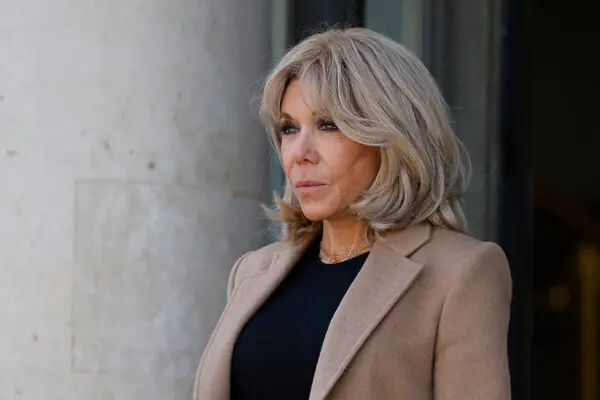

PARIS: A Paris criminal court has convicted 10 people of cyberbullying France’s first lady after years of online conspiracy theories falsely questioned her gender, marking one of the most consequential legal responses yet to digital harassment aimed at a public figure.
A Verdict After Years of Online Harassment
A Paris court on Monday found eight men and two women guilty of cyberbullying Brigitte Macron, concluding a case rooted in persistent online claims that she was born a man. The defendants, aged between 41 and 60, were accused of posting and circulating malicious remarks targeting Ms. Macron’s gender and sexuality, including assertions that she was transgender and insinuations that the age gap between her and President Emmanuel Macron amounted to “paedophilia.”
In its ruling, the court described the comments as “particularly degrading, insulting and malicious.” Penalties varied, ranging from mandatory cyberbullying awareness training to suspended sentences. One defendant received a six-month prison sentence, underscoring the seriousness with which French courts are increasingly treating online harassment. The convictions follow arrests made in December 2024 and February 2025. All 10 defendants denied wrongdoing.
Final Call: FCRF Opens Last Registration Window for GRC and DPO Certifications
Claims Framed as Satire, Deemed Harmful
Several defendants told the court that their remarks were intended as humor or satire, arguing that they did not understand why they were being prosecuted. Among them was Jérôme A., 49, who was questioned about posts he had written or reposted last year suggesting that Ms. Macron was a man or possessed male genitalia. He told judges that “it was just a joke,” adding that the content was “satirical” in spirit.
The court rejected those explanations, drawing a distinction between satire and sustained, targeted harassment. Judges noted that the cumulative effect of the posts amplified across social media platforms went beyond mockery and contributed to a broader campaign of abuse. Other defendants included an elected official, a teacher and a computer scientist, reflecting the diverse backgrounds of those implicated in the case.
The Role of a YouTube Video and Earlier Legal Action
Central to the proceedings was Delphine Jegousse, 51, a self-described medium who uses the name Amandine Roy. Prosecutors said she played a significant role in spreading the false claims after publishing a four-hour video on her YouTube channel in 2021. The video alleged that Ms. Macron had been born male, a narrative that later migrated across platforms and audiences.
Ms. Jegousse had already been the subject of a defamation complaint filed by Ms. Macron three years ago, highlighting how long the first lady and her legal team have sought to counter the allegations. The criminal case decided this week represents the most sweeping judicial response to date.
Ms. Macron did not attend the two-day trial held in October. Speaking on TF1 national television on Sunday, she said she had initiated legal proceedings to “set an example” in the fight against harassment.
From Fringe Conspiracy to International Amplification
The case traces its origins to years of conspiracy theories falsely alleging that Ms. Macron was born male under the name Jean-Michel Trogneux — in fact the name of her brother. While long circulating in French online spaces, the claims have increasingly crossed borders.
In the United States, the allegations have been repeatedly amplified by the far-right podcaster Candace Owens, giving the conspiracy a new and wider audience. The Macrons have responded by filing a defamation suit in the United States against Ms. Owens, according to people familiar with the matter.
