

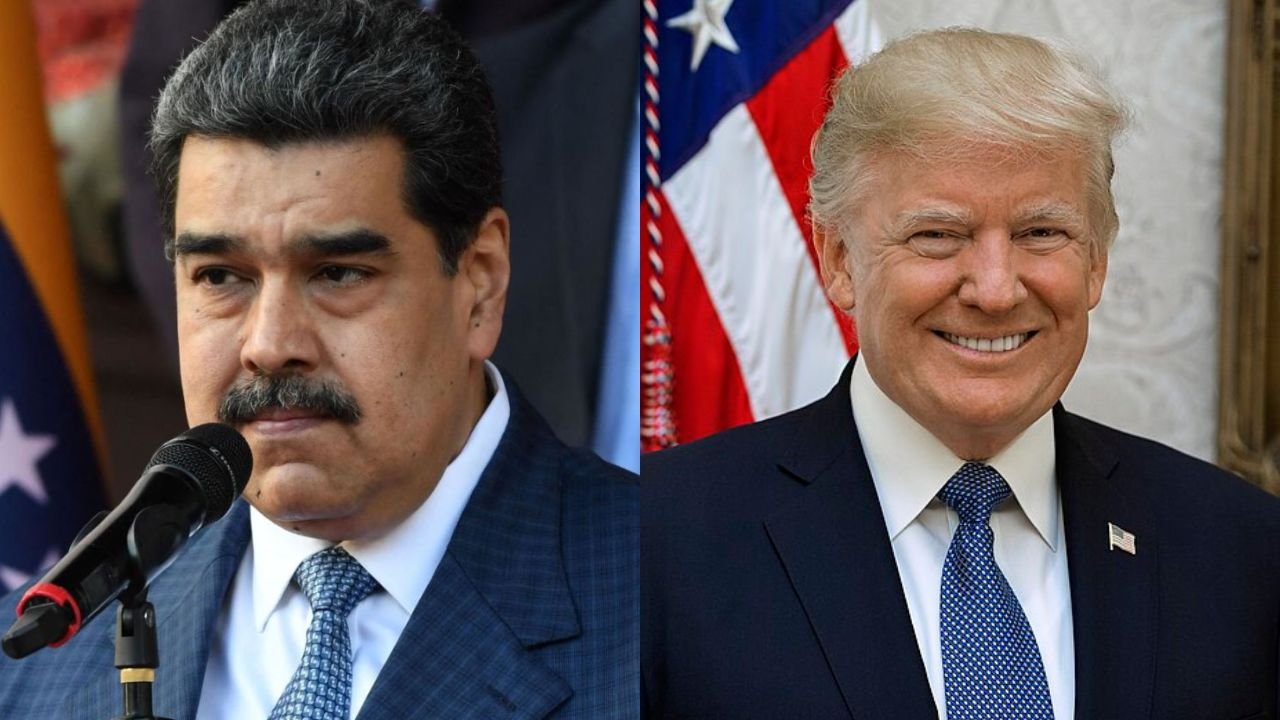

New York | January 4, 2026 | A newly unsealed indictment by the United States Department of Justice has accused deposed Venezuelan President Nicolás Maduro of running a decades-long criminal enterprise involving narco-terrorism, large-scale cocaine trafficking, illegal arms possession, and diplomatic passport fraud—charges that US officials say justified his dramatic capture and transfer from Caracas to New York.
Maduro, along with his wife Cilia Flores, was taken into US custody following a high-risk operation that has triggered intense diplomatic and geopolitical fallout across Latin America and beyond. The indictment, originally filed during former US President Donald Trump’s first term and expanded over time, paints a picture of a state apparatus allegedly weaponised to move drugs, launder money, and protect violent criminal networks.
Narco-Terrorism at the Core of the Case
At the heart of the charges is an allegation of narco-terrorism conspiracy. US prosecutors claim Maduro knowingly partnered with “some of the most violent and prolific drug traffickers in the world” to flood the United States with cocaine, using narcotics as a geopolitical weapon.
According to the indictment, Maduro allegedly worked closely with organisations such as the Cartel of the Suns, Mexico’s Sinaloa Cartel, and the notorious gang Tren de Aragua, providing them protection in exchange for a share of the profits.
By 2020, the US State Department estimated that 200–250 tonnes of cocaine were trafficked through Venezuela annually, making the country a key transit hub in the global drug trade.
Cocaine Import and Armed Protection
The indictment further accuses Maduro and his associates of conspiracy to import cocaine into the US and possession of machine guns and destructive devices to safeguard drug routes. Prosecutors allege that armed groups, including Tren de Aragua, were used to secure shipments moving via airstrips, ports, and maritime corridors.
Drug consignments were allegedly transported using go-fast boats, fishing vessels, container ships, and even aircraft operating from clandestine airstrips and commercial airports controlled by corrupt officials.
Diplomatic Passports as Criminal Cover
One of the most explosive charges involves diplomatic passport fraud. During his tenure as Venezuela’s foreign minister between 2006 and 2008, Maduro is accused of issuing Venezuelan diplomatic passports to drug traffickers, granting them immunity and facilitating the movement of illicit funds.
US prosecutors claim diplomatic cover was also provided to aircraft used to repatriate drug proceeds from Mexico back to Venezuela—effectively turning state privileges into tools of organised crime.
Role of Family and Senior Officials
The indictment names Cilia Flores, alleging she acted as a facilitator between traffickers and senior government officials in exchange for financial rewards. Prosecutors further allege that kidnappings, beatings and murders were ordered against individuals who defaulted on drug payments or threatened the operation.
Maduro’s son, Nicolás Maduro Guerra, known by investigators as “The Prince,” is accused of coordinating cocaine shipments from Venezuela to the US, including hundreds of kilograms destined for Miami and New York.
Several former Venezuelan ministers are also named, including Diosdado Cabello, accused of helping dispatch multi-tonne cocaine shipments and receiving millions in kickbacks.
A Case With Global Implications
US prosecutors argue that Venezuela’s leadership “abused positions of public trust and corrupted once-legitimate institutions” to sustain a criminal state. While Maduro’s allies dismiss the charges as politically motivated, Washington insists the case is rooted in years of evidence, witness testimony, and intelligence gathering.
As Maduro awaits trial in New York, the case is expected to test the boundaries of international law, sovereignty, and accountability, while reshaping US–Latin America relations.
For now, the indictment marks a rare moment where a sitting—or recently deposed—head of state faces criminal prosecution on US soil, sending a clear signal that, according to Washington, power does not place leaders beyond the reach of the law.
About the author — Suvedita Nath is a science student with a growing interest in cybercrime and digital safety. She writes on online activity, cyber threats, and technology-driven risks. Her work focuses on clarity, accuracy, and public awareness.
