
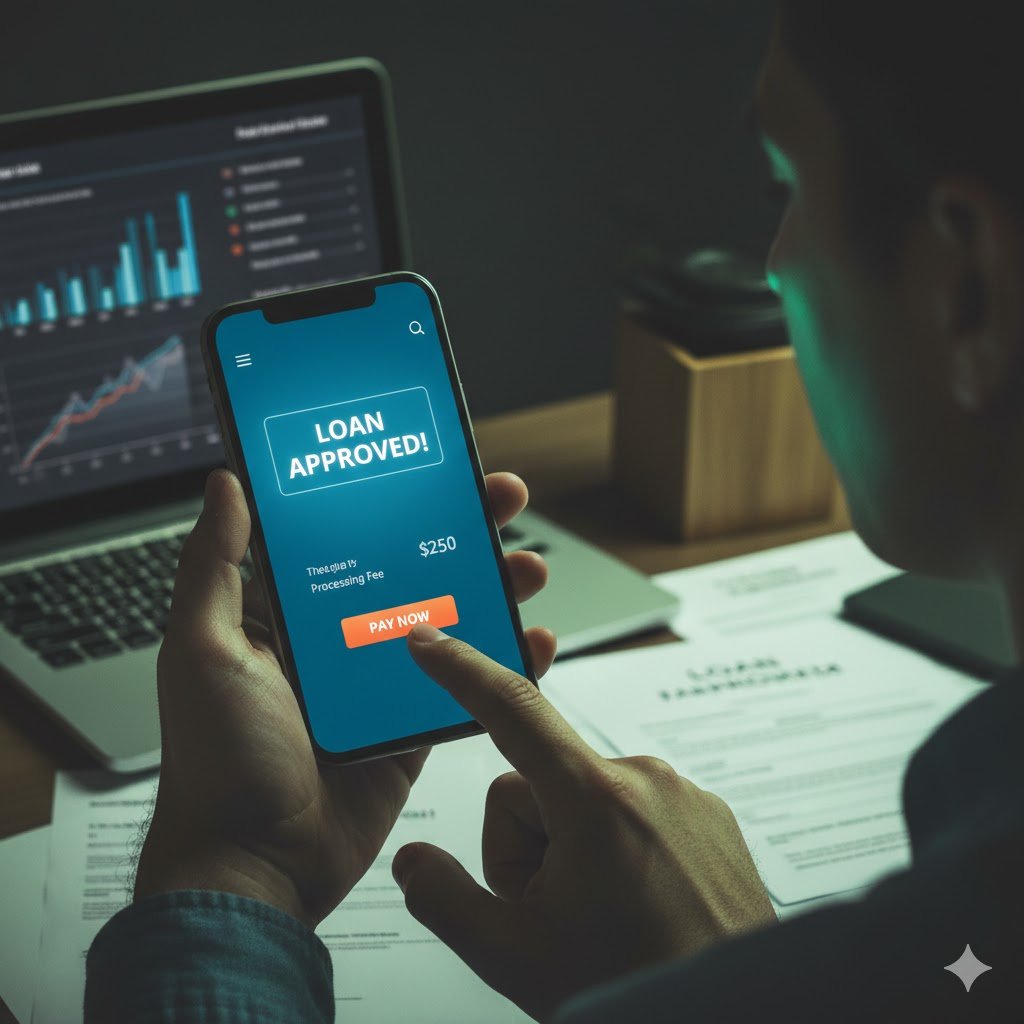
In the age of instant digital credit, the smartphone is no longer just a tool of convenience. In many cases, it has become an instrument of pressure, intimidation and digital harassment. For borrowers who rely on mobile loan apps, even a small lapse—such as a delayed EMI—can spiral into a serious mental, social and reputational crisis.
According to experts and investigating agencies, the problem often does not begin with the loan itself, but with the excessive permissions granted to loan apps at the time of installation. These permissions later turn the phone into a powerful “weapon” against the borrower.
Why Do Apps Ask for Your Entire Phone Before OTP?
A common pattern has emerged across multiple loan apps. Even before sending an OTP, users are asked to grant access to contacts, photo gallery, files, location data and sometimes even call logs. Most users tap “Allow” without a second thought, assuming this is standard procedure.
Cybersecurity experts, however, stress that full phone access is not required to sanction a loan—not for deciding interest rates, not for checking credit scores, and not even for KYC.
When Data Becomes a Tool of Pressure
Once an EMI is missed—whether due to job loss, a medical emergency or a family crisis—some loan apps allegedly begin calling friends, relatives and colleagues from the borrower’s contact list. Threats, reputational pressure and fear of social embarrassment are frequently used as recovery tactics.
According to Future Crime Research Foundation, this represents a new model of digital extortion, where legal recovery mechanisms are replaced by data-driven intimidation. The organisation notes that many apps collect far more data than necessary under the pretext of “risk assessment”.
Is Location and Gallery Access Really Necessary?
Experts say limited, time-bound location access may be justified in specific cases. However, 24×7 tracking raises serious privacy concerns. Similarly, gallery access should only be required if users voluntarily upload documents. There is no legitimate need to unlock an entire phone.
Renowned cybercrime expert and former IPS officer Triveni Singh explains:
“Permissions should be treated like a contract. Just as you would not hand over your phone to a stranger, you should not allow apps to intrude into your private life without a valid reason. Once data is surrendered, the power balance shifts completely.”
Why Verifying the Real Lender Matters
Many loan apps appear professional and trustworthy, but the actual lender behind them may be different. In several cases, the app’s name does not match the lending entity, leading to confusion among borrowers.
Experts advise users to verify whether the lender is a bank or an RBI-registered NBFC. Borrowers should also carefully read the privacy policy to understand why data is being collected and with whom it may be shared.
Caught Between Law and Reality
Legally, no lender is permitted to harass, threaten or socially shame a borrower. However, in the digital ecosystem, slow grievance redressal and lack of awareness often force victims into silence.
The Future Crime Research Foundation recommends immediate steps such as filing a complaint on the national cybercrime portal, reviewing app permissions and revoking unnecessary access to limit further damage.
Mobile loans are a financial convenience—but they should never be taken on blind trust. Missing an EMI may be a financial setback, but using personal data to intimidate borrowers is a criminal act.
In today’s digital lending landscape, understanding app permissions, verifying the lender’s credentials and reading data policies are just as important as comparing interest rates. Because without caution, the same phone that once offered help can quickly turn into a tool of coercion and fear.
About the author – Ayesha Aayat is a law student and contributor covering cybercrime, online frauds, and digital safety concerns. Her writing aims to raise awareness about evolving cyber threats and legal responses.
