
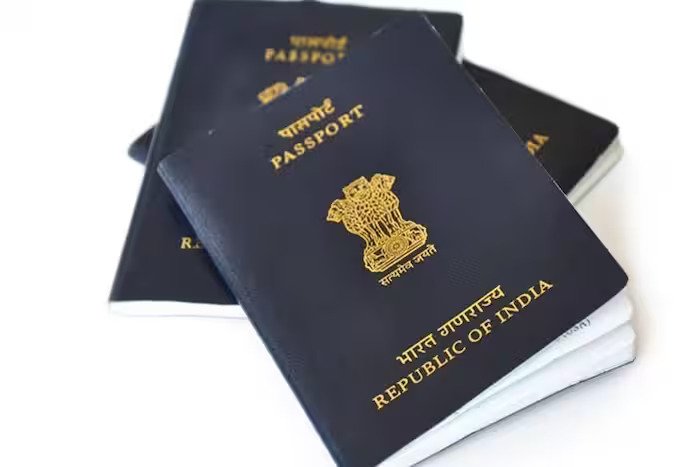
Canada could be heading towards one of its most serious immigration disruptions in recent history, with over one million Indian nationals at risk of losing their legal resident status in the coming months. The warning has been issued by immigration consultant Kanwar Seirah, who says expiring work permits, tightening policies, and shrinking legal pathways are combining into a perfect storm—one that is likely to hit Indians the hardest.
Citing official data from Immigration, Refugees and Citizenship Canada (IRCC), Seirah said that by the end of 2025, nearly 1.053 million work permits had already expired. In 2026, another 927,000 permits are scheduled to lapse. A substantial proportion of these permit holders are Indian citizens who moved to Canada for jobs, education, or other temporary opportunities.
Permit expiry means automatic loss of legal status
Under Canadian immigration law, the expiry of a work permit or study permit leads to the automatic loss of legal status, unless the individual secures a timely extension, transitions to another valid visa category, or successfully moves into permanent residency (PR). However, Canada has recently tightened eligibility norms across PR streams, temporary foreign worker programmes, and international student pathways—making such transitions increasingly difficult.
According to Seirah, the pressure will intensify sharply at the start of next year. In the first quarter of 2026 alone, around 315,000 permits are expected to expire, compared to 291,000 in the final quarter of 2025. The steady rise, he said, reflects a system under strain and a migrant population running out of time.
Up to 2 million out-of-status residents by mid-2026?
If current trends continue unchecked, Seirah estimates that nearly two million people could be living in Canada without valid legal status by mid-2026. He warned that almost half of them may be Indian nationals. Describing the figure as a “conservative estimate,” he noted that it does not fully factor in the expiry of study permits or the growing number of asylum applications being rejected—both of which could significantly push the numbers higher.
Such a scenario, experts say, would be unprecedented for Canada and could pose complex legal, humanitarian, and administrative challenges for federal and provincial authorities alike.
Ground-level impact already visible
Signs of stress are already visible at the ground level. Seirah pointed to parts of the Greater Toronto Area, particularly Brampton and Caledon, where social pressures linked to undocumented populations are beginning to surface. Reports suggest the emergence of tent settlements in wooded and vacant areas, allegedly housing individuals who no longer have legal status and face barriers to housing, employment, and public services.
Local administrations, community organisations, and law enforcement agencies are increasingly finding themselves on the front lines, struggling to manage the fallout within existing policy frameworks.
Clear warning for temporary visa holders
Seirah said the IRCC data and recent policy shifts amount to a clear and urgent warning for anyone living in Canada on a temporary visa. The next two years, he stressed, will be decisive for the country’s immigration system. Without timely policy corrections or expanded legal pathways, the crisis could place sustained pressure on labour markets, housing supply, healthcare services, and social welfare systems.
Immigration experts advise Indian nationals currently in Canada to closely track visa expiry dates, proactively explore legal transition options, and seek professional immigration advice well in advance. As enforcement tightens and flexibility narrows, early and informed action may be the difference between legal continuity and prolonged uncertainty.
