
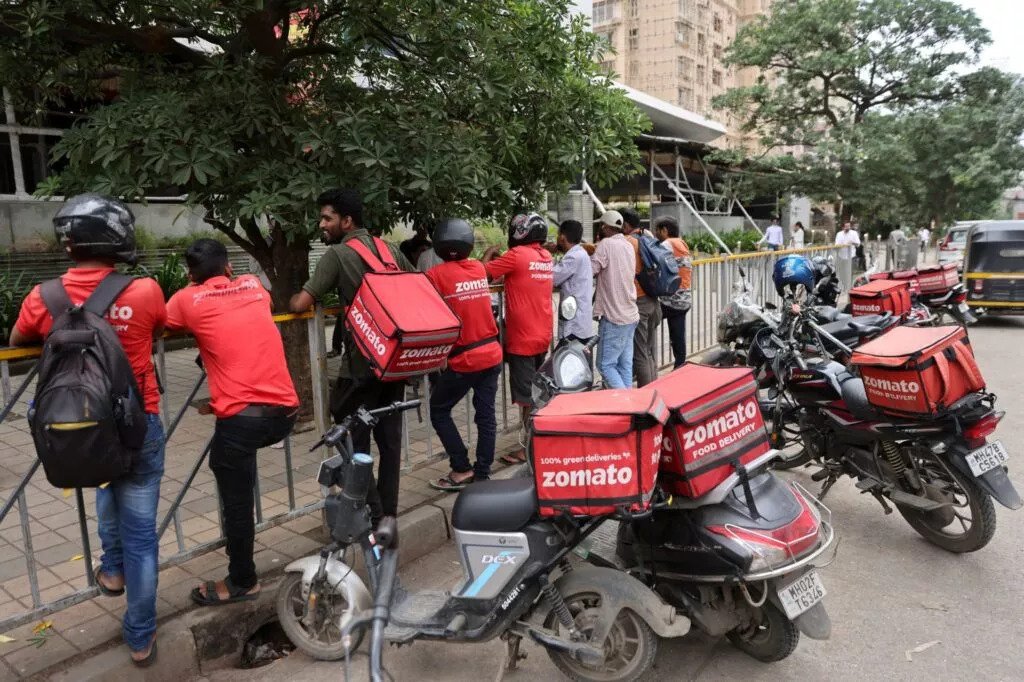
Kicking off the new year, the Union government has moved forward on an important initiative for the country’s gig and platform workers — including delivery partners and drivers associated with services such as Swiggy, Zomato, Uber, Ola and other app-based platforms. The government has released a draft framework on social security rules for these workers and invited public suggestions on it.
The move comes at a time when gig workers in several cities have recently held protests and strikes to press for better pay, safety, insurance and a more secure future. The new proposal is being seen as an effort to reduce some of the uncertainties surrounding their livelihoods.
Work 90 days — become eligible for benefits
According to the draft, if a gig worker works with any one app/aggregator for at least 90 days in a single financial year, they will become eligible for social security benefits.
This mechanism is expected to provide relief to millions who may not be formally classified as full-time employees, yet continue to work regularly to keep essential services running.
The government believes this model can create a basic safety net for a large workforce that lies somewhere between traditional employment and complete self-employment.
What benefits are proposed?
The draft outlines several key provisions, including:
- Health insurance
- Life insurance
- Accident coverage
These benefits aim to reduce the sudden financial burden that workers and their families face in situations such as accidents, illness or emergencies.
Going forward, the scope could potentially be expanded to cover pensions, maternity support and other schemes — though final decisions will depend on consultations and the feedback received.
Role of companies to be defined
The draft also indicates that aggregator platforms will have a defined role in this social security structure.
A common fund is expected to be created through contributions from companies along with government support. The idea is that platforms earning revenue from gig-based services should also contribute toward the welfare and security of the workforce powering them.
Final shape after consultations
While releasing the draft, the government clarified that this is still a proposal.
Suggestions have been invited from citizens, labour experts, organisations, companies — and importantly, from gig workers themselves. The final rules will be shaped after reviewing this feedback.
Why is this important?
Millions of young workers across India are engaged on digital platforms where:
- there is no fixed job,
- no guaranteed monthly salary, and
- little to no medical or insurance protection.
A single accident or illness can push entire families into financial distress. That is why this draft is being viewed as a structural reform aimed at offering basic protection.
All eyes will now be on the nature of feedback received and on when the final rules are implemented. But one thing is clear — the initiative could mark the beginning of a new phase of social security for India’s gig and platform workforce.
