
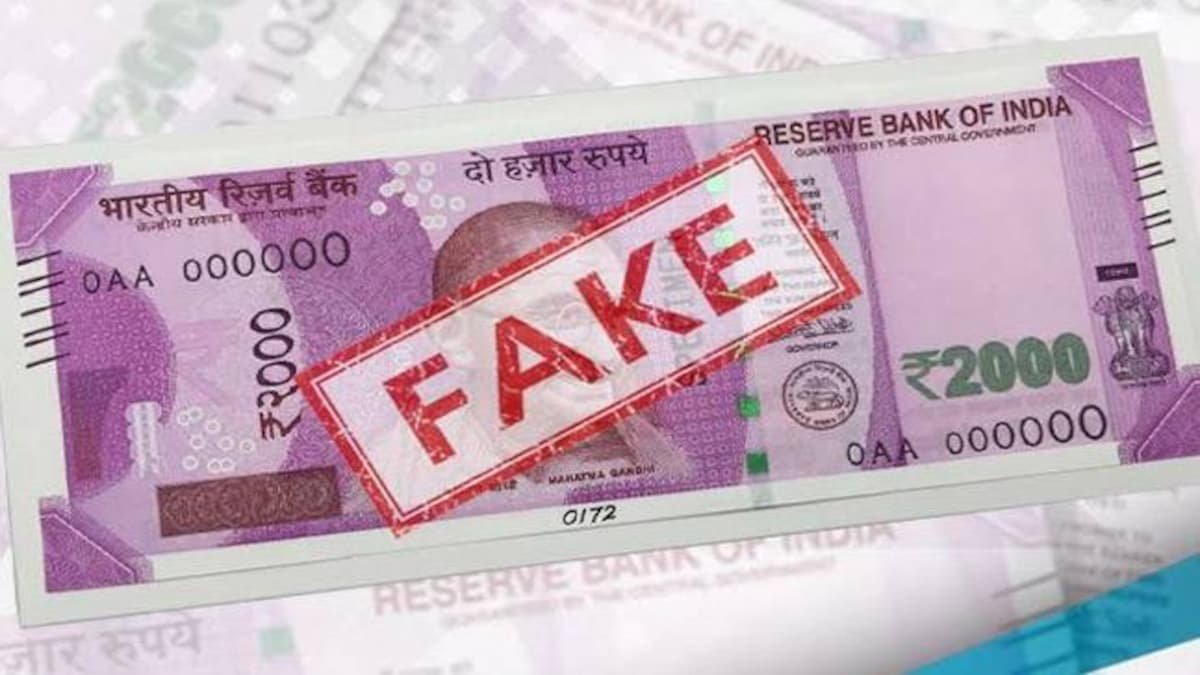

DURG: In a weekly market in central India, a ₹500 note changed hands for a bag of vegetables. Hours later, police traced it back to a village home, a color printer, and a couple pushed by debt into a crime they learned online.
A Market Tip-Off in Ranitarai
The case broke open in Ranitarai, a weekly market area under the local police station’s jurisdiction in Durg, after traders reported fake currency circulating among routine cash transactions. One vendor, Tuleshwar Sonkar, told police that a man and a woman had paid with a ₹500 note for vegetables worth ₹60. When other shopkeepers began flagging similar notes, Sonkar checked his cash drawer and found one that appeared counterfeit.
Police moved quickly, detaining a couple in the market on suspicion. A search yielded fake notes, prompting a wider investigation into how the currency was being produced and where else it may have circulated.
From Detention to Confession
During questioning, the man—identified by police as Arun Kumar Turang—admitted to printing counterfeit currency and attempting to pass it in local markets. His wife, Rakhi Turang, was also taken into custody. Investigators said Arun had previously served time in a theft case, a detail that sharpened scrutiny of the operation.
According to police, the couple had learned the method of printing fake notes by watching instructional videos on YouTube. Facing mounting debt and financial pressure, they purchased a color printer and supplies online, then began producing notes at home.
Inside the Home Operation
A subsequent raid on the couple’s residence in Sonperri village, in Mujgahan block of Raipur district, uncovered the scale of the effort. Police seized a color printer, paper, and counterfeit currency totaling ₹1,70,500. The fake notes included denominations of ₹100, ₹200, and ₹500.
Investigators said some of the notes had already been circulated in nearby markets, while others were prepared for future use. The operation, though small, raised concerns about how easily consumer-grade equipment and online tutorials can be used to produce passable counterfeit currency.
What Police Say Next
Briefing the media, Vijay Agrawal, the Senior Superintendent of Police in Durg, confirmed that two accused had been arrested and that the counterfeit notes were printed in their village. He said notes had been passed in Patan market and attempts were made to circulate them in Ranitarai as well.
Police have registered a case based on complaints from affected traders and said they are examining whether the couple was connected to a larger network or if similar notes surfaced in other markets. For now, investigators say, the evidence points to a localized operation—born of debt, enabled by the internet, and exposed by the vigilance of small traders.
