

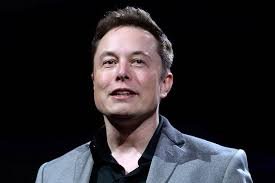

Tech and automobile industry heavyweight Elon Musk has rewritten the history of global wealth. Following a key ruling by a US court, Musk’s net worth has crossed the $700 billion mark, making him not only the richest individual in the world, but also wealthier than the combined fortunes of the next three richest people. Analysts describe the surge as an unprecedented moment in modern corporate and financial history.
Court Ruling Proves Decisive
The sharp rise in Musk’s wealth followed a ruling by the Delaware Supreme Court, which reinstated the performance-linked stock option package approved in 2018 for Musk at electric vehicle major Tesla.
Earlier, a lower court had struck down the compensation package, calling it “excessive” and “unreasonable.” The Supreme Court overturned that decision, holding that the cancellation did not follow due legal process. The ruling immediately boosted investor confidence and sent Tesla shares sharply higher.
As a result, the value of Musk’s stock options jumped to around $139 billion, significantly higher than the valuation estimated when the package was originally approved.
A Widening Gap at the Top
According to the latest estimates, Musk’s total net worth now stands at approximately $749 billion. By comparison, the world’s second-richest individual, Larry Page, has an estimated net worth of about $252.6 billion. He is followed by Larry Ellison, whose fortune is pegged at roughly $242.7 billion, while Jeff Bezos ranks fourth.
Even when combined, the wealth of Page, Ellison and Bezos falls nearly $500 billion short of Musk’s fortune—a gap that has sparked fresh debate over wealth concentration and the power of founder-led corporations.
Wealth Larger than National Economies
Economists point out that Musk’s personal wealth now exceeds the annual GDP of more than 170 countries. Large parts of Africa, Latin America and Asia have economies smaller than Musk’s net worth. Only a handful of major economies—including the US, China, Germany and India—are larger.
This comparison highlights the growing scale of private capital in the global economy and its potential influence on markets, innovation and policymaking.
Impact of a Performance-linked Pay Model
Unlike most corporate leaders, Musk does not draw a traditional salary. His compensation is almost entirely tied to performance-linked stock options, meaning his wealth fluctuates directly with Tesla’s market valuation. Over the past decade, Tesla’s rapid growth and investor optimism have multiplied the value of these holdings.
Supporters argue that this structure aligns leadership incentives with long-term shareholder value and has played a key role in Tesla’s rise as a global EV leader. Critics, however, warn that such extreme concentration of wealth raises concerns over corporate governance, board independence and accountability.
Renewed Debate on Corporate Governance
The Delaware court’s ruling has reignited discussion beyond Musk and Tesla. Legal experts say it could influence how boards design executive compensation packages and how courts assess shareholder approval and fiduciary responsibility.
Across the US and other major markets, policymakers and investors are now debating whether compensation structures of this scale are compatible with long-term corporate stability and broader economic equity.
