

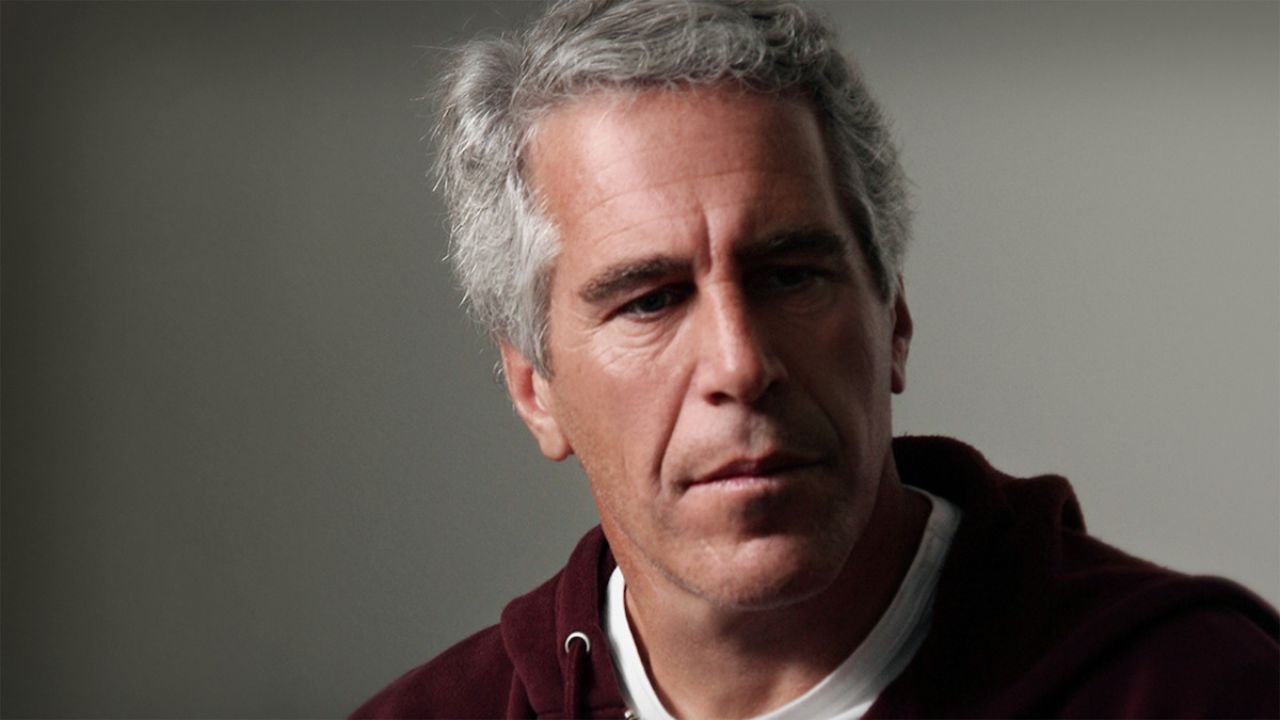

New Delhi | The United States Department of Justice has released long-awaited records related to Jeffrey Epstein, yet the disclosures have raised as many questions as they have answered. While the document dump runs into millions of pages, crucial details about Epstein’s crimes—and the decisions that shielded him from serious federal prosecution for years—remain absent or heavily redacted.
The newly published files contain limited fresh insight into how investigators viewed the case in the mid-2000s and why Epstein ultimately faced only minor state-level prostitution charges in 2008. Missing are key FBI survivor interviews and internal departmental memoranda that could have explained prosecutorial choices and investigative priorities.
Notably, several high-profile figures long rumored to have had links with Epstein do not feature prominently in the documents. Among those absent is Britain’s Prince Andrew, whose association with Epstein has been widely scrutinised in the past. The omissions have reignited debate over who was investigated, who was not, and whether the disclosures meaningfully advance public accountability.
Dropped Federal Probe and Earlier Complaints
The files indicate that a federal investigation into Epstein in the early 2000s was dropped, paving the way for a plea deal that limited his exposure to state charges. Newly surfaced material also references a 1996 complaint accusing Epstein of stealing photographs of minors—an allegation that predates his more widely known criminal proceedings.
The release includes photographs from Epstein’s properties in New York and the US Virgin Islands, alongside images featuring celebrities and politicians. However, the context for many of these photographs remains unclear.
Clinton, Trump Photos Surface—But No Criminal Allegations
Previously unseen photographs of Bill Clinton have emerged in the latest tranche, while comparatively few images show Donald Trump. Both men had social interactions with Epstein in the past but later distanced themselves. Importantly, none of the documents allege criminal wrongdoing by either, and the photographs are not cited as evidence in any criminal case.
Gradual Release, Redactions Draw Anger
Although Congress had set a deadline for full disclosure, the Justice Department said the records would be released in phases to protect victim identities and other sensitive information. Officials said the process is time-consuming due to privacy safeguards. No timeline has been provided for the release of remaining documents.
The decision has angered survivors and some lawmakers who pushed for transparency legislation. Many argue that the staggered release undermines the purpose of disclosure and delays long-overdue accountability.
Survivors Speak Out
Marina Lacerda, who says Epstein sexually abused her at his New York residence when she was 14, expressed deep frustration. “It feels like the Justice Department is failing us again,” she said, reflecting the sentiment of many survivors who believe critical truths remain buried.
What the Files Reveal About the Evidence
Grand jury transcripts released for the first time include testimony from FBI agents who described multiple accounts of minors being paid to perform sexual acts for Epstein. One victim was as young as 14. Another woman testified that Epstein hired her at 16 to provide sexual massages and later asked her to recruit other girls, paying her $200 per referral.
One transcript recounts a victim saying she was assaulted after resisting Epstein’s advances during a massage. These accounts underscore that federal authorities possessed substantial evidence as early as 2007.
Why No Federal Charges Then?
The records include questioning of Alexander Acosta, who served as US Attorney in Miami at the time. Acosta said prosecutors questioned whether a jury would credit the victims’ testimonies and viewed the case as falling between sex trafficking and prostitution—typically handled at the state level. He later acknowledged that such judgments would likely be viewed differently today.
Millions More Pages Still Unreleased
Deputy Attorney General Todd Blanche disclosed that Manhattan federal prosecutors hold more than 3.6 million documents tied to the sex-trafficking investigations of Epstein and Ghislaine Maxwell. Many records released so far were previously accessible only through courts or congressional requests and are now consolidated in a public database—albeit with extensive redactions.
Entire files remain blacked out, including a 119-page document labelled “Grand Jury–NY,” believed to relate to the 2019 federal case against Epstein and the 2021 prosecution of Maxwell.
The Road Ahead
Epstein was charged federally with sex trafficking in 2019 but died by suicide in a New York jail before trial. With vast portions of the record still withheld, survivors and observers say the central question persists: when will the full story—and the full list of accountability—finally come to light?
