

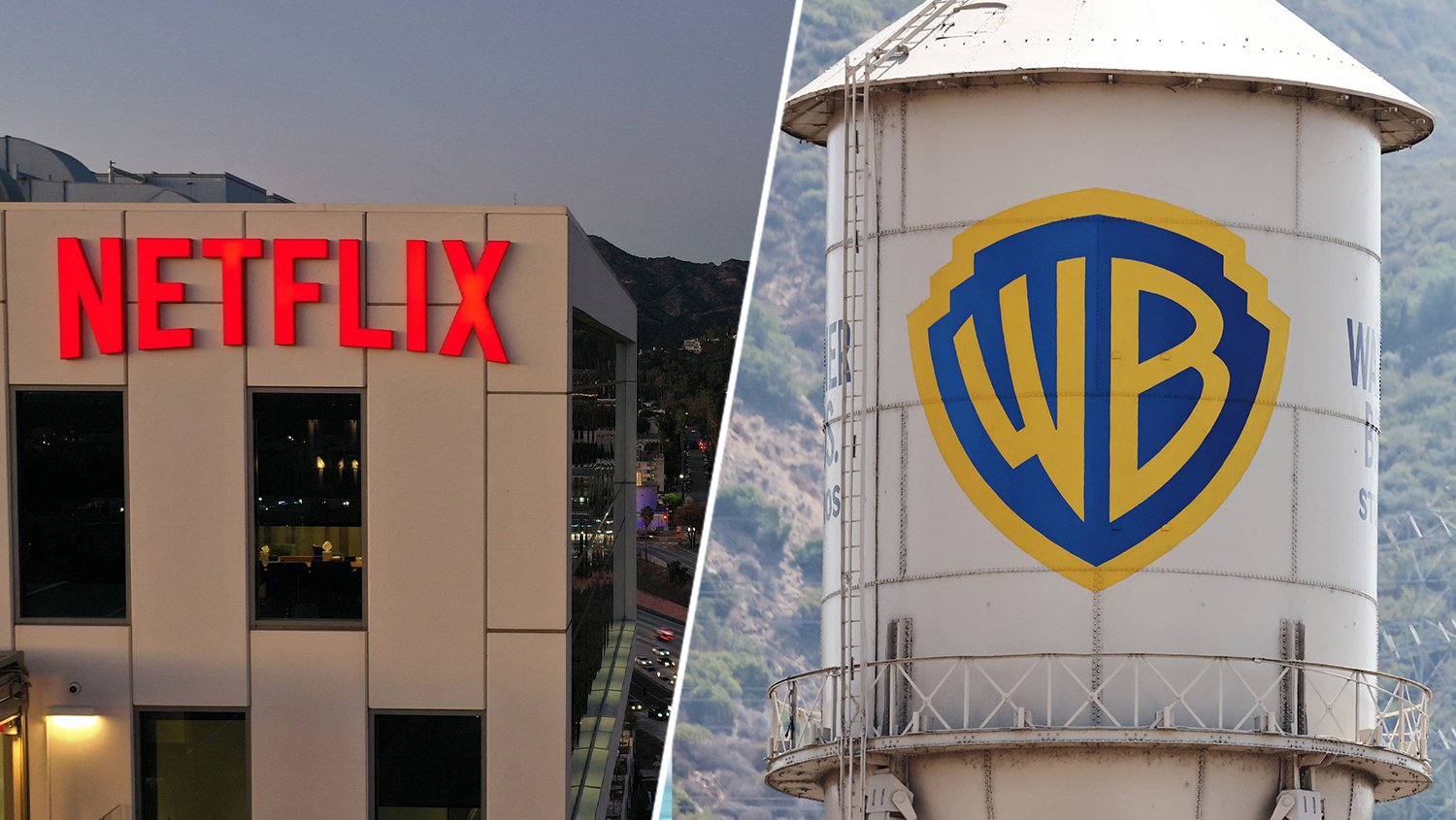

A proposed tie-up between Netflix and Warner Bros. Discovery may yet falter, or never materialize at all. But the debate it has ignited is already reshaping how India thinks about competition, culture and power in the age of global streaming.
A Global Deal With Local Reverberations
When reports emerged of Netflix exploring a closer alignment with Warner Bros. Discovery potentially deepening access to HBO and Warner Bros. titles the story was framed largely through a Western lens: market concentration in the United States, antitrust scrutiny, and the future of Hollywood studios under pressure from streaming economics.
In India, however, the implications run deeper and wider. Even an incomplete or stalled deal has forced regulators, creators and competitors to confront a central reality: global streaming decisions increasingly determine what Indian audiences watch, what Indian creators make, and how power is exercised in the digital cultural economy.
India is no longer a peripheral market reacting after the fact. It is among Netflix’s fastest-growing regions, and shifts in global content ownership reverberate quickly through its densely competitive OTT ecosystem. The question for policymakers is not whether such global consolidations will happen, but how prepared India is to respond when they do.
Competition Law in the Age of Content Power
Traditional competition analysis has relied on familiar tools pricing, market share, and turnover thresholds. But streaming platforms challenge these metrics. Market power today is often exercised through control over exclusive content libraries, user data, and algorithmic visibility rather than through price alone.
India’s Competition Commission (CCI) has begun adapting. Amendments to competition law now allow regulators to assess mergers based on their potential impact on competition, not merely on financial thresholds. Yet digital entertainment exposes the limits of even these reforms. A foreign merger may not trigger mandatory notification under Indian law while still reshaping consumer choice, bargaining power and competitive dynamics in the domestic market.
A Netflix–Warner Bros. alignment would exemplify this dilemma. Should exclusive international content be treated as a new form of market power? How should vertical integration — where a platform controls both production and distribution — be evaluated in creative industries? And can regulators credibly assess future effects on user behavior before market structures harden beyond repair? These questions remain unsettled, even as the pace of consolidation accelerates.
Streaming, Culture, and the Risk of Creative Narrowing
Beyond competition economics lies a quieter but more enduring concern: culture. India has spent the past decade emerging as a global content hub. Regional storytelling has flourished. Animation, gaming and VFX have expanded. Studios have experimented with genres once considered commercially risky.
Consolidation threatens to reorder these gains. Platforms that dominate both content creation and distribution do not need to issue explicit directives to shape creative output. Their preferences are absorbed upstream. Producers learn which genres travel, which formats scale, and which stories attract algorithmic promotion.
Over time, market power can become cultural power. Decisions taken in global boardrooms may determine which Indian productions achieve international visibility and which remain confined to domestic audiences. The risk is not the disappearance of local stories, but their gradual standardization — nudged toward global formats that promise predictable returns.
This tension is already visible in other markets, from the United States to South Korea, where vertically integrated platforms have shaped national creative output through exclusive ecosystems.
Consumers, Fragmentation, and the Cost of Exclusivity
For Indian viewers, the most immediate impact of streaming consolidation is practical. Exclusive licensing deals can force consumers into a no-win choice: pay for multiple subscriptions or lose access to shows that were once easily available.
The withdrawal of HBO content from Disney+ Hotstar offered a preview. Subscriber numbers shifted, loyalties fractured, and access narrowed. A scenario in which Netflix became the sole home for HBO and Warner Bros. titles — from Game of Thrones to major DC franchises — would further alter subscription patterns, pricing power and bargaining dynamics across the OTT market.
Historical evidence suggests that vertically integrated platforms tend to raise costs, reduce interoperability, and shrink the effective range of content available to viewers. In a price-sensitive market like India, these effects are magnified.
