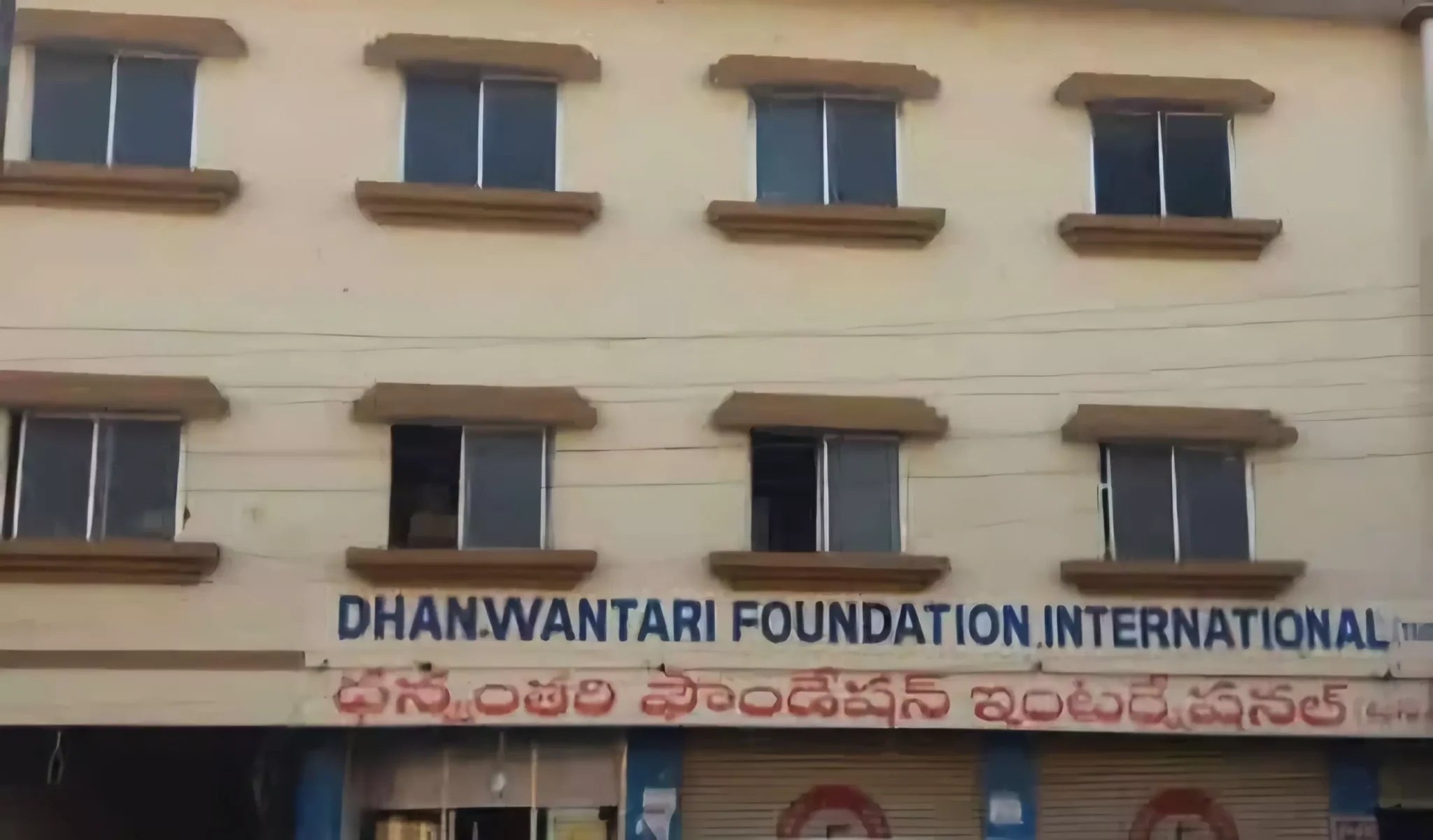
The case centres on the Dhanwantari Foundation International Trust (DFIT), which Hyderabad police say persuaded more than 4,000 people to invest by invoking the name of the Brahmin community and offering assured, time-bound returns. According to investigators, the scheme drew in deposits totalling about ₹516 crore, much of it from middle-class households and senior citizens seeking stable income.
The Hyderabad Central Crime Station (CCS) registered the case in December 2023 after a complaint by Susrala Narsimha Murthy. Police allege that the trust and its associated entities used the appearance of legitimacy community networks, formal documentation, and repeated assurances to build confidence among depositors, even as repayments faltered.
FCRF Launches Flagship Compliance Certification (GRCP) as India Faces a New Era of Digital Regulation
The trust’s director, Dr. P. Kamalakar Sharma, along with others named in the case, has denied wrongdoing. But investigators say the pattern of fundraising and the subsequent diversion of funds bore the hallmarks of a classic deposit fraud.
Following the Money Through Land and Buildings
As the investigation unfolded, police traced assets they believe were purchased using depositor funds. The list was extensive: nearly 450 acres of land spread across Telangana and Andhra Pradesh, and roughly 3,000 square yards of commercial space in some of Hyderabad’s most valuable neighbourhoods.
These properties became central to the state’s recovery strategy. Acting under the Telangana State Protection of Depositors of Financial Establishments (TSPDFE) Act, the Deputy Commissioner of Police (Detective Department), designated as the “competent authority,” sought government approval for ad-interim attachment of the assets. Eight government orders followed, placing the properties beyond the reach of the accused.
For many victims, the attachments represented the first tangible sign that their money might one day be recovered.
Courts Uphold Attachments, Appeals Fail
The legal path since then has been closely watched. The Sessions Court confirmed the ad-interim attachments and made them absolute, a decision later challenged by the accused before the High Court. After examining counter-affidavits filed by the competent authority, the High Court upheld the attachments, rejecting the appeals.
In a significant move, the court ordered the formation of a three-member committee to oversee the next phase: a retired district judge as chairperson, the Deputy Commissioner of Police as the competent authority, and a senior chartered accountant. The mandate was clear—to conduct auctions of the attached properties and ensure that recovered funds are distributed to victims at the earliest.
Legal observers say the order reflects growing judicial emphasis on restitution in financial fraud cases, rather than allowing proceedings to drag on while assets depreciate or disappear.
Victims, Senior Citizens, and the Long Wait for Restitution
Police records indicate that a large number of the alleged victims are senior citizens, many of whom invested retirement savings. For them, the case has been as much about time as money. Months have passed since the scheme collapsed, and daily expenses have continued without the promised returns.
The auction process, once completed, is expected to determine how much of the ₹516 crore can realistically be recovered. Officials caution that liquidation rarely yields full restitution, but argue that early action improves the odds.