

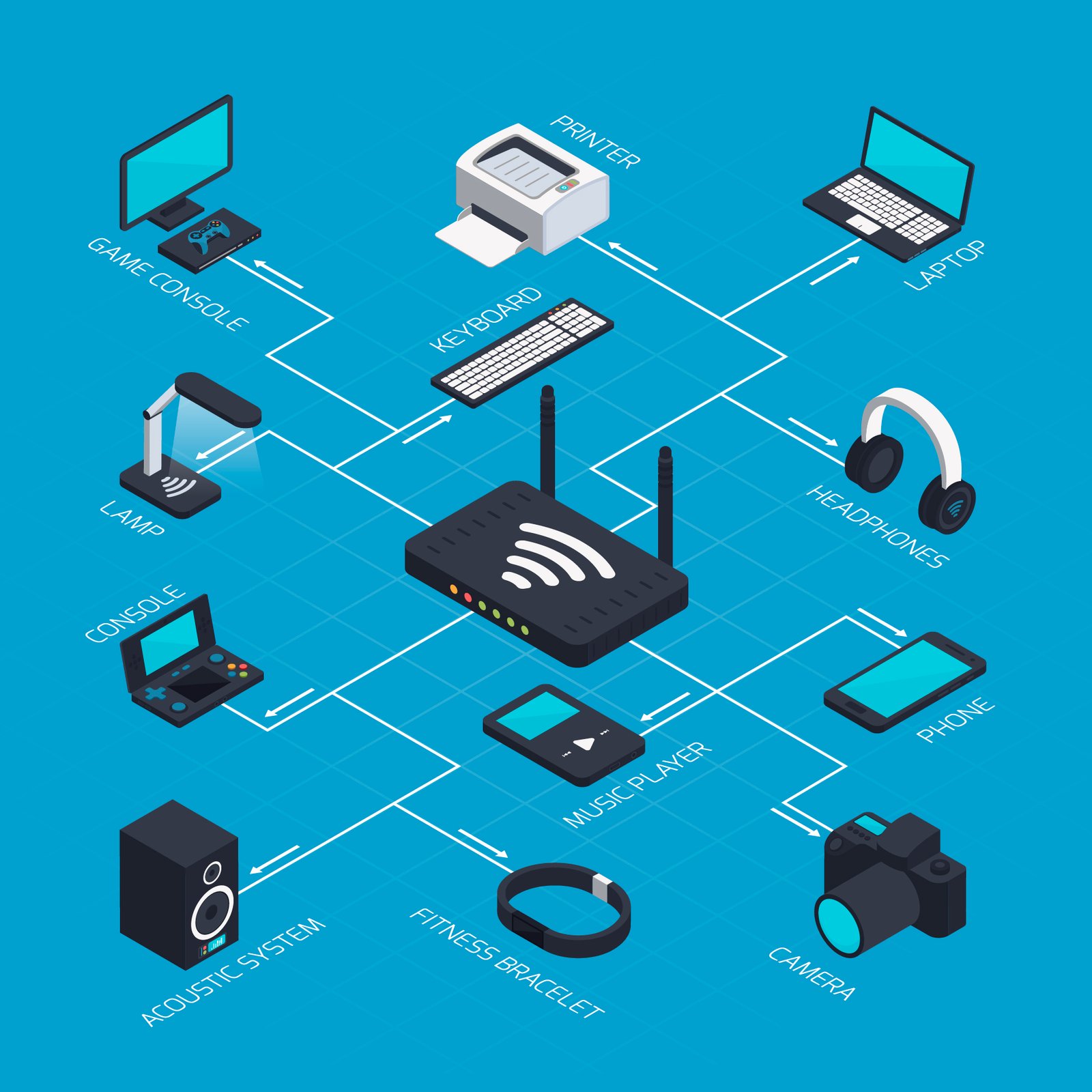

New Delhi— India is preparing to mandate stricter technical and security standards for a broad range of Internet Protocol (IP) terminals and associated telecom devices, a move that signals a significant tightening of the country’s digital perimeter. The new, compulsory norms—which will soon extend beyond current regulations to cover essential gear like routers, customer premises equipment (CPE), and gateways—are being championed by the government as a twin-pronged strategy: to bolster national network security and accelerate the ‘Make in India’ domestic manufacturing drive.
The Telecommunication Engineering Centre (TEC), the standardization body under the Department of Telecommunications, is leading the revision of these Essential Requirements (ERs). The updated specifications will embed more stringent criteria for:
- Cybersecurity: Building security into the hardware and software design from the ground up to counter rising digital threats.
- Interoperability: Ensuring seamless communication between various devices across different networks.
- Safety and Quality Assurance: Raising the bar for device performance and reliability.
- Electromagnetic Compatibility (EMC): Minimizing unwanted electromagnetic interference.
The Security-First Imperative
The push comes amid global concerns over supply chain vulnerabilities and state-sponsored cyber risks. By expanding the scope of devices requiring Mandatory Testing and Certification of Telecom Equipment (MTCTE), the government is essentially creating a ‘trusted supply chain.’ This new framework is designed to align India’s telecom ecosystem with next-generation technologies like 5G, cloud communications, and the rapidly expanding Internet of Things (IoT). The goal is to ensure that every device connected to public networks is robust and secure by design, weeding out low-cost, weakly-vetted imports.
A Boost for Local Manufacturing
Beyond security, the new standards are inextricably linked to India’s economic nationalism agenda. Clearer, yet more rigorous, benchmarks are intended to create a level playing field that favors manufacturers willing to invest in local customization, R&D, and production. For both global and domestic vendors, certification and compliance will increasingly require local presence and adherence to India-specific technical requirements, making it harder for simple assembly-only operations to thrive. The ultimate vision is a robust domestic industry for networking and telecom equipment, lowering the country’s reliance on foreign imports.
The Cost of Compliance
For equipment makers and network operators, the new framework presents both challenges and opportunities.
While the near-term effect might be longer product planning cycles and increased compliance costs, the long-term benefit is a clearer, more predictable regulatory landscape. Analysts suggest this could ultimately favour vendors who commit to secure, standards-compliant designs, giving them a competitive edge in a market where trust and security are becoming paramount.
