

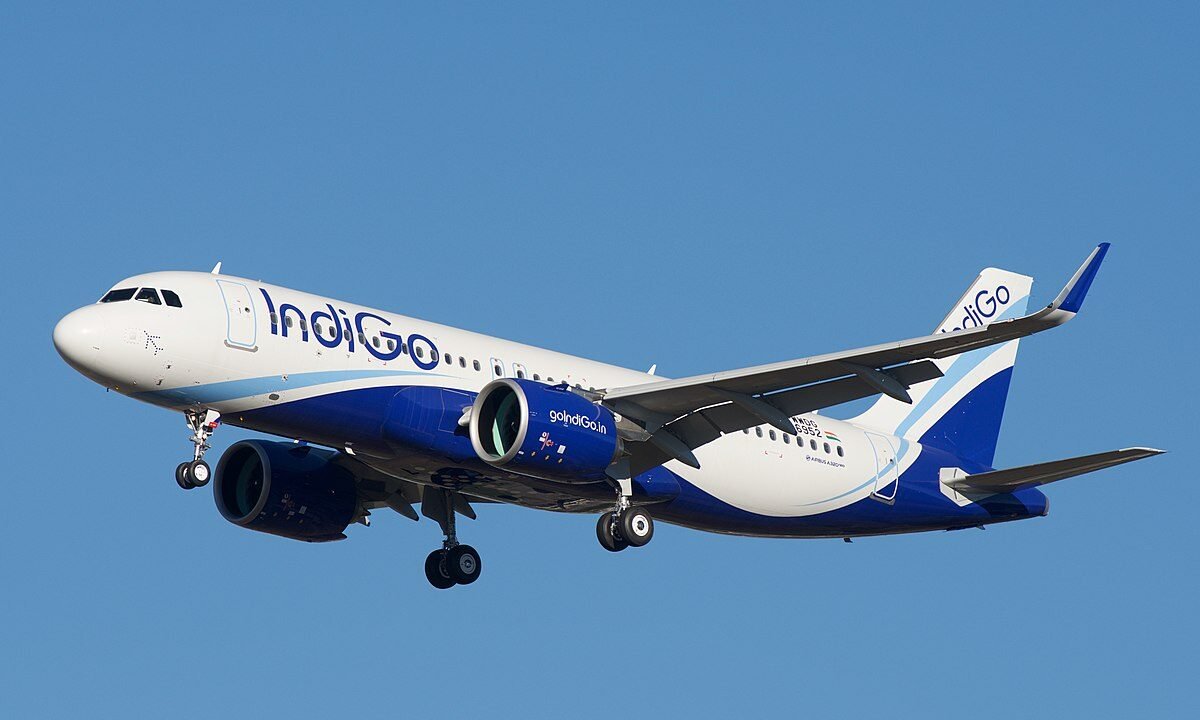

New Delhi: India’s leading low-cost carrier IndiGo is facing a compensation payout estimated at over ₹500 crore after it cancelled nearly 4,500 flights during the first week of December, leaving thousands of passengers stranded across airports in the country. The cancellations — among the largest in India’s aviation history — were triggered by poor pilot roster planning and the airline’s failure to anticipate the impact of revised crew duty and rest regulations, forcing mass grounding of flights.
The disruption drew widespread criticism from passengers and industry observers, prompting the Directorate General of Civil Aviation (DGCA) to step in. The regulator directed IndiGo to slash its domestic winter schedule by 10% and to ensure adequate rest periods for pilots in compliance with new flight duty norms.
IndiGo’s Statement and Compensation Plan
In an official post on X (formerly Twitter), IndiGo stated that it was in the process of identifying flights where passengers were severely affected, particularly those stranded at airports on December 3, 4, and 5. The airline announced that it would compensate customers whose flights were cancelled within 24 hours of departure, as well as those stranded for extended periods.
According to industry estimates, IndiGo could face a financial burden exceeding ₹500 crore in refunds, vouchers, and accommodation costs. This figure includes the airline’s earlier commitment to issue ₹10,000 travel vouchers to impacted flyers during the three worst-hit days.
While IndiGo described the incident as a temporary setback caused by “operational realignment,” analysts see it as a major reputational blow for a carrier known for its punctuality and efficiency.
What Went Wrong
The cancellations followed the implementation of new crew duty-time limitations (FTL) that mandate longer rest periods for pilots and crew to enhance flight safety. Sources indicate that IndiGo’s rostering software and manpower planning failed to adjust to these new rules, resulting in large-scale crew unavailability and grounded aircraft.
Over the course of three days, several major hubs including Delhi, Mumbai, Bengaluru, and Hyderabad witnessed severe congestion. Passengers reported long queues, poor communication from airline staff, and limited rebooking options. The crisis also caused a ripple effect on connecting flights, hotel bookings, and holiday travel plans, especially as the disruption coincided with the December peak travel season.
DGCA Action and Industry Impact
Following public outrage, the DGCA suspended four flight inspectors responsible for oversight lapses and sought a detailed explanation from the airline’s top management. Aviation Minister K. Ram Mohan Naidu held a review meeting with DGCA and Airports Authority of India (AAI) officials, directing them to ensure “winter readiness” amid peak travel demand.
Analysts say the disruption could dent IndiGo’s Q3 financial performance, as the airline has already revised downward its capacity and passenger unit revenue forecast. Brokerages expect near-term pressure on yields and margins, though long-term fundamentals remain stable due to IndiGo’s fleet scale and market leadership.
The broader aviation sector, already coping with high fuel prices and supply-chain constraints, is watching the crisis closely. Smaller carriers such as Akasa Air and Air India Express are expected to gain short-term market share as passengers seek alternate options.
Lessons for the Aviation Sector
Experts argue that the episode exposes deeper structural gaps in crew management and regulatory foresight within India’s fast-expanding aviation market. Despite record traffic growth, the sector continues to face a shortage of trained pilots and engineers, inadequate rest planning, and over-reliance on automation in scheduling systems.
Aviation consultant Satyendra Bhargava noted, “The incident highlights the importance of proactive compliance with safety regulations. Airlines must prioritize crew welfare and realistic scheduling over short-term profitability.”
The Road Ahead
IndiGo has initiated a comprehensive review of its operational planning systems and is coordinating with DGCA to restore normalcy. The airline maintains that over 90% of its operations have stabilized, though industry sources suggest full recovery may take several weeks.
For now, India’s most successful airline faces its toughest test yet — one that could reshape how domestic carriers balance operational efficiency, regulatory compliance, and customer trust in an increasingly demanding travel environment.
