

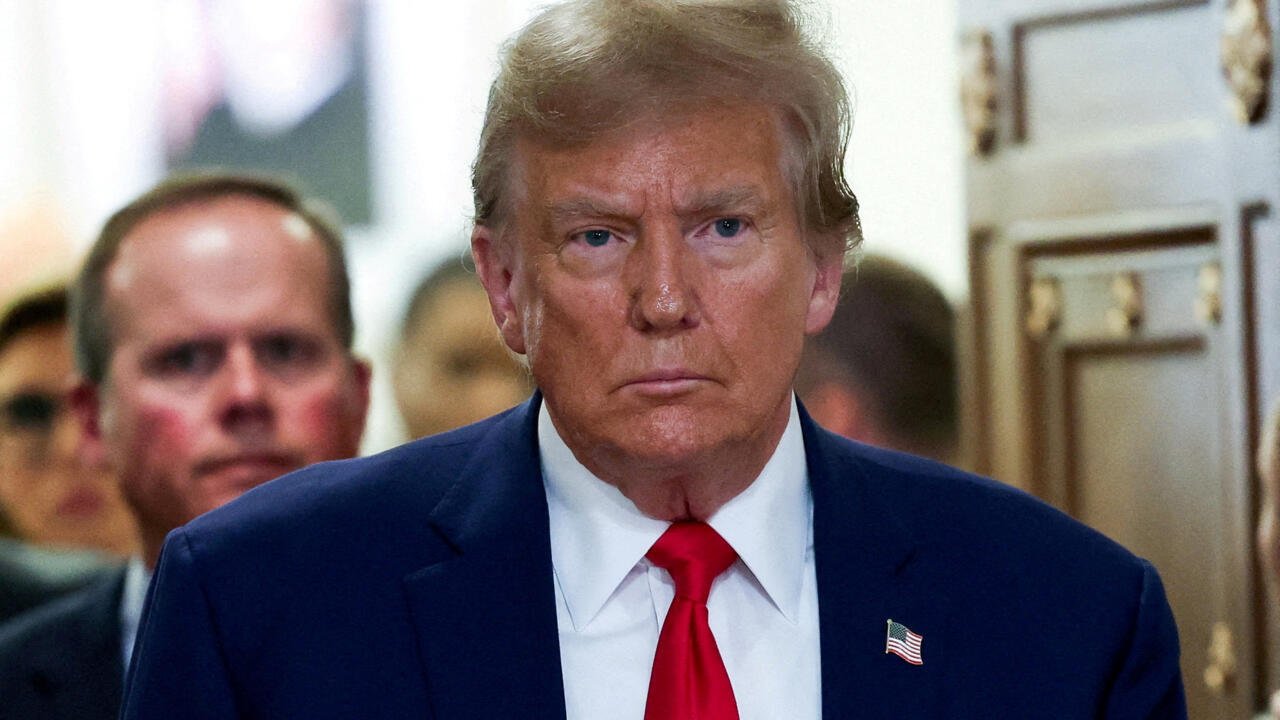
The Trump administration has launched the “Trump Gold Card” visa, a fast-track residency scheme priced at $1 million per individual, pitched as both an immigration pathway and a massive revenue generator projected to bring in over $100 billion for the US Treasury. Unveiled in the Roosevelt Room of the White House, President Donald Trump described it as similar to a green card but with “big advantages,” stressing that all funds would flow directly to the US government and that demand is expected from wealthy applicants worldwide.
How the Gold and Platinum Cards Work
Under the programme, non-resident individuals must first pay a non-refundable $15,000 registration fee to the Department of Homeland Security and undergo extensive background and security checks. Once cleared, an individual applicant pays $1 million for the Trump Gold Card, while corporate sponsors are required to contribute $2 million per foreign employee they wish to place on this pathway. The administration is also planning a higher-tier “Platinum Card” priced at $5 million, which would allow cardholders to spend up to 270 days a year in the US without becoming liable for US tax on their foreign income, effectively offering an attractive residency-lite option for ultra-high-net-worth individuals.
Stringent Disclosure and Security Requirements
Applicants must submit detailed personal and financial information, including 20 years of employment history, citizenship details, and source-of-funds documentation backed by bank statements, tax returns and other records. They are also required to answer extensive security-related questions covering criminal history, terrorism, money laundering and other red-flag activities, with spouses and children under 21 allowed as dependents under the same application. Commerce Secretary Howard Lutnick framed these standards as essential to “make sure these people are absolutely qualified to be in America,” positioning the visa as a tool to help US businesses retain top foreign graduates and skilled talent.
From EB-5 to Trump Gold Card
The new visa effectively replaces the EB-5 investor programme introduced in the 1990s, which required a $1 million (or lower in some areas) investment tied to creating at least 10 jobs in the US. In contrast, the Trump Gold Card drops any formal job-creation requirement and instead focuses on a direct high-fee residency route, simplifying the framework but also shifting the emphasis from investment-led development to pure fiscal inflows. The launch comes amid heightened tensions over US immigration enforcement and simultaneous hikes in other visa fees, reflecting a broader policy trend of monetising immigration channels while tightening enforcement at the lower end.
Global ‘Golden Visa’ Context and Mixed MAGA Reaction
Similar “golden visa” or investment-residency schemes exist in countries such as the UK, Spain, Canada and Australia, but the Trump version is marketed as leaner and more targeted toward top talent and recent graduates from elite US universities, especially from countries like India, China and France. Nevertheless, some Make America Great Again (MAGA) supporters are lukewarm; commentator Bill Mitchell argued on X that the programme is “nothing new” and mirrors existing global models, undercutting its portrayal as a uniquely transformational Trump innovation.
