

During the isolation and uncertainty of India’s Covid-19 lockdown, an elaborate cryptocurrency investment scheme quietly took shape, promising easy returns and digital prosperity. Investigators now say it was part of a far-reaching, foreign-controlled cybercrime network that moved more than ₹1,000 crore out of India, exploiting regulatory gaps, public fear and the rapid digitisation of finance.
A Lockdown Boom Built on Digital Promises
As India entered lockdown in 2020, millions turned to online platforms for work, income and investment. According to investigators, that moment of vulnerability became fertile ground for an international fraud operation masquerading as a cryptocurrency opportunity.
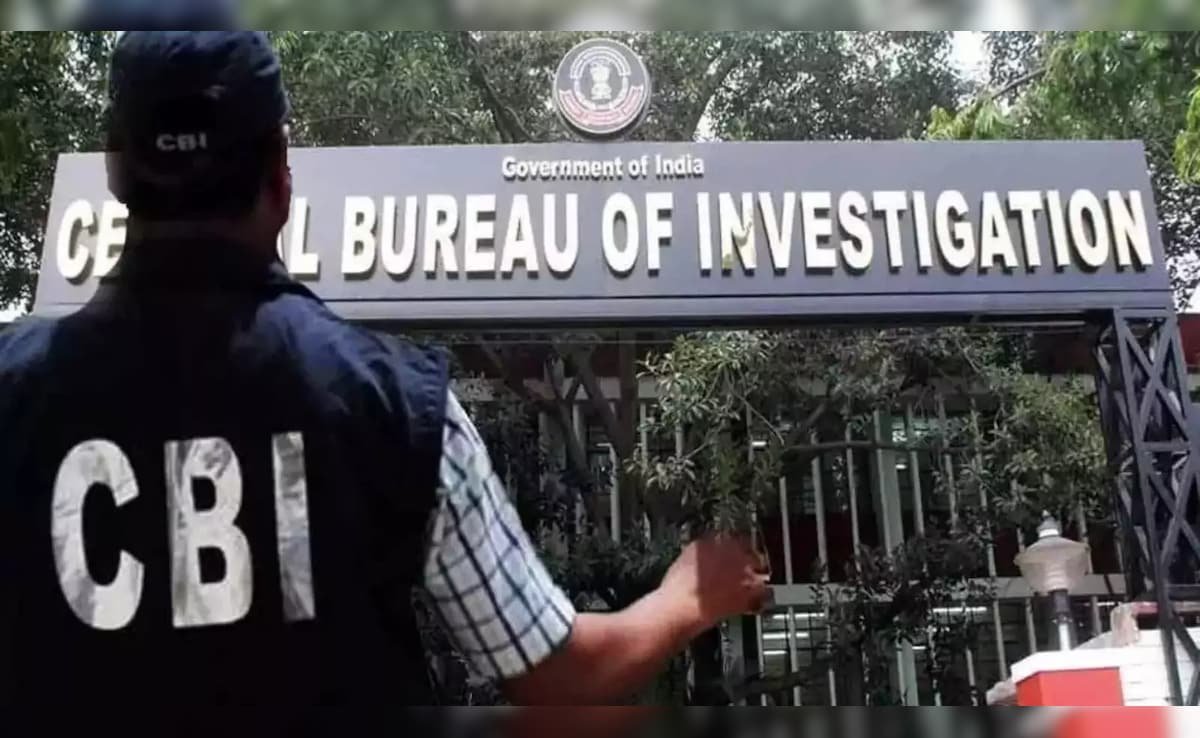
At the centre of the scheme was Shigu Technology Private Limited, a company that the Central Bureau of Investigation (CBI) says was effectively controlled by Chinese nationals. The firm promoted what it described as cryptocurrency-related investments, including bitcoin mining and token-based schemes, drawing in thousands of Indian investors during the pandemic.
In just a few months, officials allege, the group collected vast sums of money, routing funds through more than 150 shell companies. Bank accounts linked to these entities reportedly saw deposits exceeding ₹1,000 crore. The accounts, investigators say, were designed to aggregate proceeds of crime, obscure their origins and present them as legitimate business income.
An International Cybercrime Network Comes Into Focus
As the inquiry deepened, the CBI concluded that the alleged fraud was not an isolated financial crime but part of a larger, coordinated cybercrime network operated by foreign nationals. The same group, investigators say, was linked to multiple scams that surfaced after the initial Covid wave including fake loan applications, fraudulent investment schemes and bogus online job offers.
To build credibility, the operators reportedly paid early investors small returns, creating the illusion of profitability. Once trust was established, larger sums were solicited. These funds were then converted into cryptocurrency and transferred abroad, beyond the immediate reach of Indian authorities.
Investigators also flagged the misuse of India’s newly emerging digital payments ecosystem. Funds were funnelled through payment aggregators and layered across accounts, taking advantage of rapid transaction speeds and limited early oversight as digital finance expanded during the pandemic.
The Individuals Behind the Companies
The charge sheet identifies Wan Jun, a Chinese national, as a key accused. According to the CBI, Wan Jun operated in India under the cover of legitimate business roles, including as a director of Zillion Consultants India Private Limited, described as an associate entity of a Chinese firm.
With the help of an associate identified as Dantes, investigators say, Wan Jun set up multiple shell companies, including Shigu Technology, to facilitate the movement of funds. Dantes was later arrested by the CBI as the probe widened.
Authorities allege that these entities existed largely on paper, serving as conduits rather than functioning businesses. The layered corporate structure, investigators argue, made it difficult for banks and regulators to detect suspicious activity in real time.
A Widening Legal Net
In its latest move, the CBI has filed a charge sheet in a special court in Delhi against 30 accused, including Wan Jun and another Chinese national, Li Anming. In total, 27 individuals and three companies have been named as conspirators in the case.
Several suspects are believed to be outside India, and officials say efforts are ongoing to trace and apprehend them. The investigation began with a first information report (FIR) registered in April last year. Parallel proceedings by the Enforcement Directorate have already led to the freezing of ₹91.6 crore across various bank accounts, as authorities pursue money-laundering charges linked to the alleged scam.
