

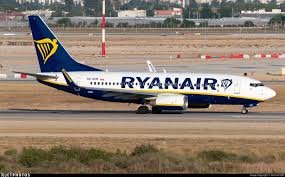

India’s largest airline, IndiGo, has cancelled more than 4,500 flights within a week, leaving thousands of passengers stranded and frustrated across airports. The chaos has drawn parallels with Ryanair’s 2017 flight cancellation crisis in Europe, where the airline was forced to compensate passengers under strict European passenger rights regulations.
Compared to the robust EU rules, India’s air travel compensation framework remains weak, offering limited relief to affected passengers. With IndiGo commanding nearly 63% of the domestic aviation market, the disruption has raised serious concerns within the government and the civil aviation ministry.
Ryanair Was Fined €25 Million After 2,000 Cancellations
In September–October 2017, Irish low-cost carrier Ryanair cancelled around 2,000 flights due to a pilot rostering error and leave management crisis. Nearly 400,000 passengers were affected. Under the EU Regulation 261/2004, the airline had to pay €25 million in compensation — equivalent to about ₹188 crore at the time.
Ryanair, which then dominated over half of Ireland’s aviation market, suffered severe reputational damage. Following the incident, European regulators tightened oversight and enforced greater transparency in airline operations.
Similar Causes: Pilot Shortage and Crew Scheduling Failures
Coincidentally, both Ryanair and IndiGo share similar operational models — low-cost carriers facing disruptions caused by pilot shortages and crew mismanagement. Ryanair’s 2017 meltdown stemmed from scheduling disputes and contractual conflicts, while IndiGo’s crisis has been triggered by crew shortages and confusion over new passenger safety and rest norms.
India’s Civil Aviation Ministry has sought an explanation from IndiGo regarding the steps taken to protect passenger interests. The deadline to respond to the show-cause notice expired on Monday evening.
What Is EU Regulation 261/2004?
The European Union introduced Regulation (EC) No. 261/2004 in 2005 to safeguard air passenger rights. The law mandates compensation of €250 to €600 depending on flight distance and duration of delay or cancellation.
Passengers are also entitled to food, water, hotel accommodation, and alternate flight arrangements. Failure to comply can lead to strict regulatory action. The EU’s enforcement of this law has made its aviation consumer protection framework among the world’s strongest.
Calls Grow for Stricter Passenger Laws in India
In the wake of the IndiGo crisis, aviation experts and consumer groups in India are urging the government to adopt EU-style passenger protection laws. Currently, the Directorate General of Civil Aviation (DGCA) allows only partial refunds or rescheduling in case of cancellations.
Analysts say a structured compensation law would increase accountability, protect passengers, and ensure better service standards in India’s rapidly expanding aviation sector.
