

Vyapam Police Constable Recruitment 2012 Impersonation Case; Two Accused Convicted After CBI’s Detailed Investigation, Awarded Seven Years’ Rigorous Imprisonment
A special CBI court in Gwalior, designated for Vyapam-related cases, has convicted and sentenced two accused—Ranveer and Harvendra Singh Chouhan alias Pravendra Kumar—to seven years of rigorous imprisonment along with a fine of ₹11,000 each. The judgment, delivered on 4 December 2025, marks a significant breakthrough in the long-running Vyapam scam investigations and reinforces the CBI’s efforts to curb examination-related fraud.
The Beginning: A Routine Examination Check Exposes Impersonation
The case traces back to 30 September 2012 during the Police Constable Recruitment Examination conducted in Morena, Madhya Pradesh. A centre superintendent filed a complaint alleging that an individual had attempted to take the examination in place of the actual candidate, indicating a clear act of impersonation. Based on this complaint, FIR No. 770/2012 was registered at Morena Police Station.
During initial investigation, the state police filed a chargesheet against Ranveer Singh, while further probe into the involvement of Harvendra alias Pravendra remained pending. As nationwide controversy around the Vyapam recruitment and examination scam intensified, the Supreme Court of India directed that multiple related cases be transferred to the Central Bureau of Investigation (CBI).
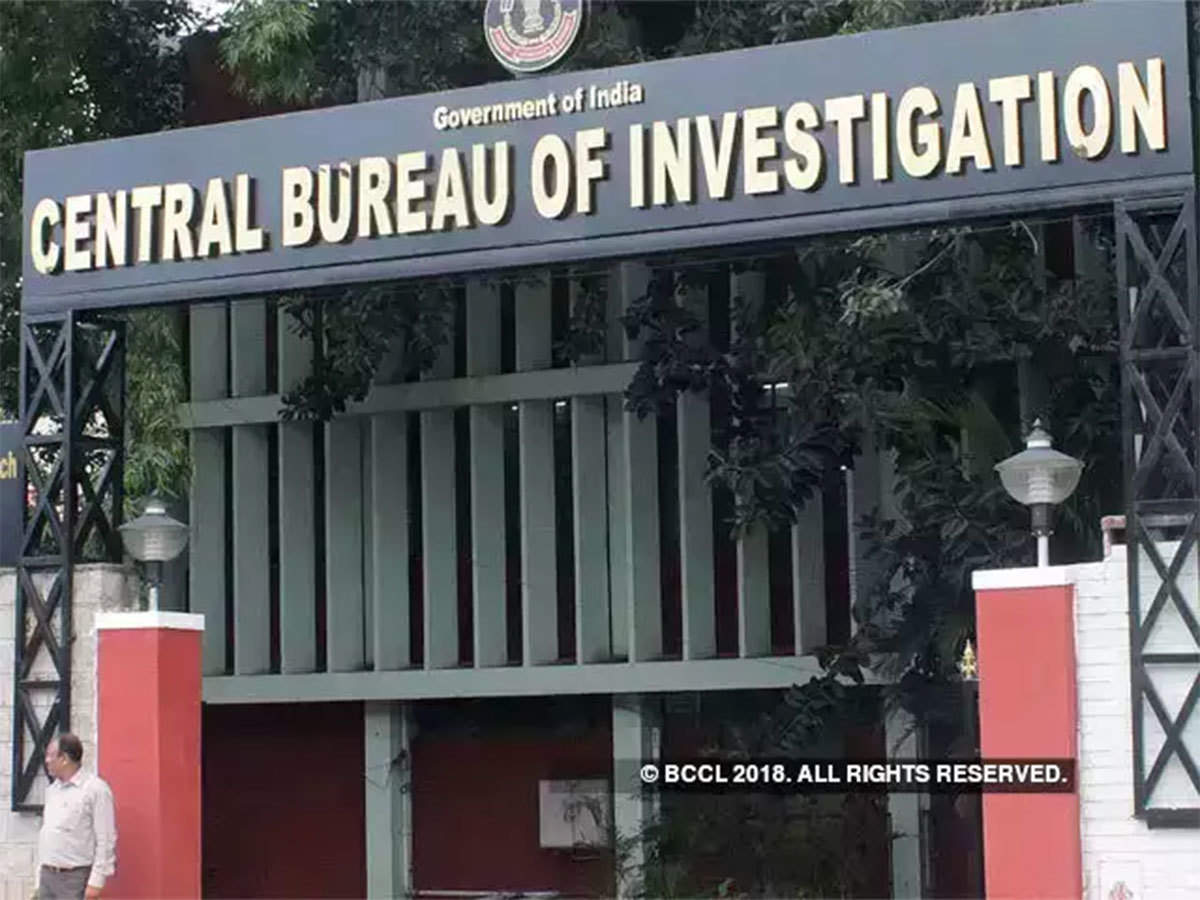
Following these directions, the CBI re-registered the case on 8 August 2015, initiating a comprehensive investigation under relevant sections of the Indian Penal Code and the Madhya Pradesh Recognised Examination Act, 1937.
CBI’s Multi-Layered Investigation: Evidence Across Technical and Documentary Trails
During the probe, the CBI adopted a multi-pronged investigative approach, gathering evidence from various technical, forensic, and documentary sources.
Key elements of the investigation included:
- Matching examination hall signatures and photographs of the genuine candidate and the impersonator.
- Probing the involvement of solver gangs suspected of facilitating such impersonation attempts.
- Recording statements of invigilators, centre officials, and witnesses present during the examination.
- Using digital forensic tools to analyse handwriting patterns, identification documents, and communication records.
Based on the evidence collected, the CBI filed a supplementary chargesheet against Ranveer Singh on 30 September 2016, followed by another supplementary chargesheet against Harvendra Singh Chouhan alias Pravendra Kumar on 29 September 2017.
The prosecution established before the court that the two accused had conspired to fraudulently participate in the recruitment examination, thereby attempting to manipulate the merit-based selection process.
Court’s Observation: “Tampering with Examination Systems Cannot Be Tolerated”
During the trial, the special CBI court examined the documentary, technical, and witness-based evidence presented by the agency. In its judgment, the court noted:
“Impersonation in competitive examinations is not merely a violation of law but an attack on the rights of genuine candidates and the integrity of the public selection process. Strict punishment is necessary to safeguard public confidence.”
Accepting the CBI’s findings, the court convicted both accused and awarded seven years of rigorous imprisonment along with a monetary fine, bringing closure to the 13-year-old case.
CBI’s Response: “A Step Forward in Combating Examination Malpractices”
The CBI welcomed the judgment, noting that the agency continues to pursue a zero-tolerance approach toward examination fraud, impersonation rackets, and organised solver networks. According to the agency, Vyapam-related cases required meticulous evidence collection, given the intricacy of the syndicates, forged identities, and coordinated roles of multiple actors.
The agency emphasized that the verdict represents “a significant step towards restoring transparency and integrity in public recruitment examinations.”
Broader Context: One of India’s Largest Examination Fraud Scandals
The Vyapam (now MPPEB) scam is widely regarded as one of India’s most complex and extensive examination fraud networks. Over the years, widespread allegations of impersonation, solver gangs, seat-buying, and official collusion prompted national debate and judicial intervention.
This conviction not only strengthens the legal narrative against such malpractices but also sends a strong message that tampering with public examination systems now carries serious consequences.
Conclusion
The Gwalior CBI court’s verdict is a pivotal development in the pursuit of accountability in the Vyapam cases. The conviction underscores that fraudulent candidates will face real and rigorous punishment, and that investigative and judicial institutions are increasingly uncompromising when it comes to protecting the fairness of public examinations.
Follow for daily updates on cybercrime, corporate fraud, DFIR, hacking, investigations, and digital forensics
