

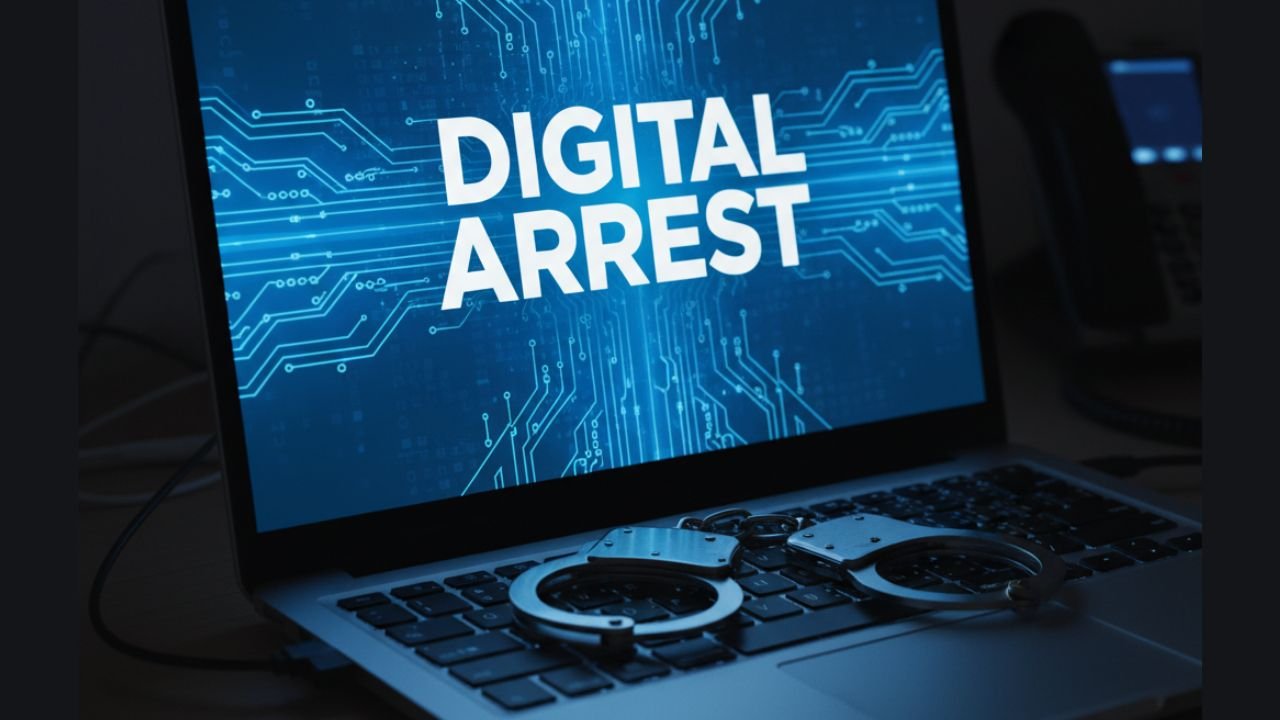

In the corridors of digital governance, there is a lot of noise surrounding the pre-installed Sanchar Saathi mechanisms and similar technological interventions. Pitched as the government’s silver bullet, these tools are designed to track lost devices and verify connections, theoretically tightening the net around cybercriminals. While the intention is noble, the reality on the ground tells a terrifyingly different story.
We are trying to fight a psychological war with software updates, and we are losing.
The Illusion of Safety
The limitation of apps like Sanchar Saathi is that they operate on the logic of technical interception. They are designed to stop a SIM box fraud or block a spoofed number. However, the modern Indian cybercriminal has evolved far beyond simple technical hacks.
The current epidemic—the “Digital Arrest” scam—is the perfect example of why our current defense is failing. In these scams, victims are not “hacked” in the traditional sense. Their phones aren’t breached; their minds are. They are placed under a “psychological siege” by criminals impersonating the CBI, the Police, or Customs officials, often over high-definition video calls. No background app can patch human fear.
Precision Targeting: It’s Not Random
A disturbing misconception is that these scammers are casting a wide net, randomly dialing numbers until someone bites. The evidence suggests otherwise.
The victims of Digital Arrests are often high-net-worth individuals, retired officials, or professionals with significant savings. This indicates that the attacks are systematic and data driven. Scammers likely have access to breached databases containing financial behaviors, credit limits, and asset details. They aren’t just looking for a victim; they are looking for solvent victims. When a scammer knows exactly how much you have to lose, their script becomes infinitely more convincing.
The Awareness Gap: Why Tweets Aren’t Enough
We are hemorrhaging money. Every day, crores of rupees are siphoned off to foreign shores or mule accounts, and the graph is only going up. This statistical reality is proof that our current awareness strategy is insufficient.Sending a bulk SMS saying “Don’t share your OTP” or posting an infographic on social media is passive defense. It assumes the user is reading, understanding, and capable of applying that logic in a moment of extreme panic. But when a “police officer” on a video call threatens you with immediate arrest for money laundering, a tweet you read three weeks ago about cyber safety evaporates.
The ‘Pulse Polio’ Blueprint
If we want to save the digital economy, we need to look at how we saved the physical population. We need a campaign with the scale, intensity, and human touch of the Pulse Polio Abhiyan. Polio wasn’t eradicated by putting up billboards; it was eradicated because volunteers went door-to-door. They looked parents in the eye, addressed their fears, and delivered the “two drops of life” personally.
We need a similar “Cyber Polio” campaign:
• Door-to-Door Advocacy: We need trained “Digital Asha Workers” or cyber-volunteers to visit homes, specifically targeting the elderly and the digitally vulnerable.
• Simulation, Not Just Information: Don’t just tell people about scams; show them. Play the audio of a scam call. Show them what a fake arrest warrant looks like.
• Prevention Over Cure: The government invests heavily in cyber-forensics labs to investigate crimes after the money is gone. We need to flip this model. The return on investment for preventing the crime is infinitely higher than the cost of investigating it.
The Verdict
Technological tools like Sanchar Saathi are necessary infrastructure, but they are not the solution. As long as the “human firewall” remains unpatched, the bleeding will continue. The government must realize that this is a crisis of confidence. We don’t just need better apps; we need a national movement. We eradicated Polio because we treated it as a public health emergency. It is time we treated Cybercrime with the same urgency. Prevention is not just better than cure; in the digital world, it is often the only cure we have.
Author: Mr. Venkata Satish Guttula, a cybersecurity leader with nearly 25 years of experience, is the Co-Founder and CEO of Suven Cybersecurity Private Limited. He specializes in cyber resilience, data protection, and large-scale security posture assessments, holding key certifications including CISA, CISM, CDPP, and ISO 27001 Lead Auditor and Implementer. Over his career, he has led numerous cybersecurity initiatives that have strengthened the digital integrity of major internet-based companies. Committed to advancing industry best practices, he remains actively involved in education and community awareness to enhance cybersecurity defenses across sectors.
Follow for daily updates on cybercrime, corporate fraud, DFIR, hacking, investigations, and digital forensics
