

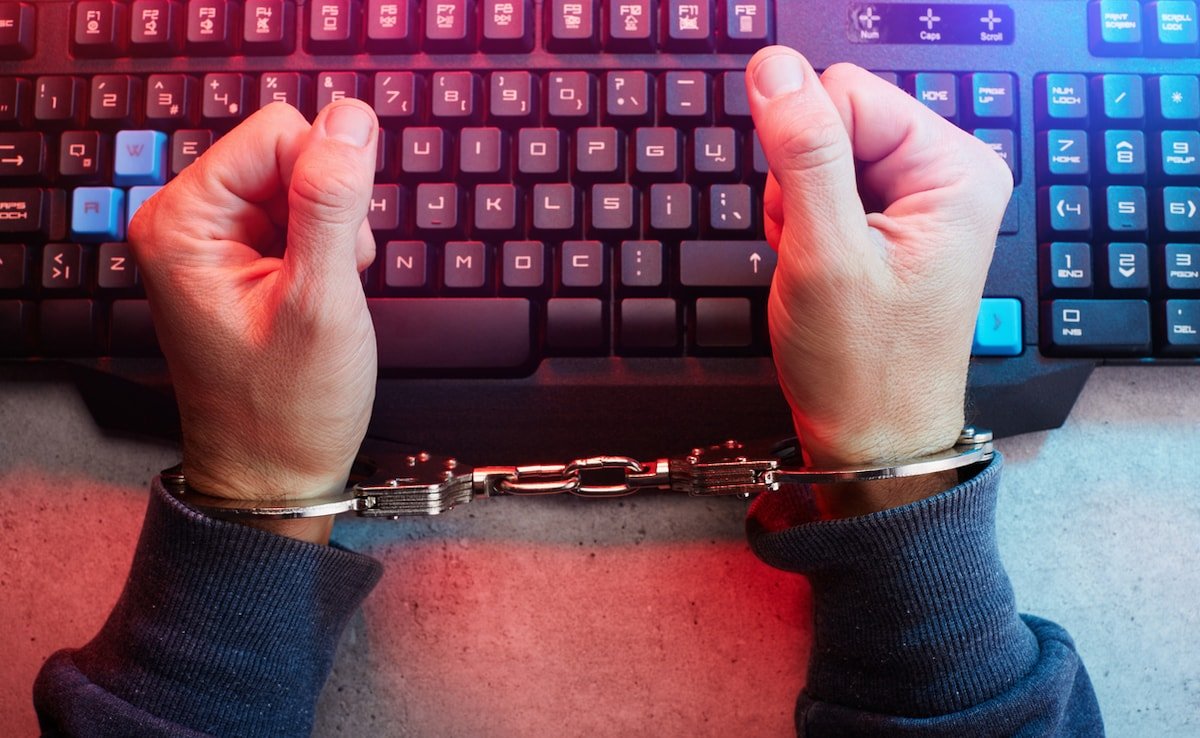

Two well-educated youths from Mehsana—Jatin alias John Raper Thakkar, a BE Mechanical graduate, and Deep Thakkar, a B.Com graduate—have been arrested for running a massive international cyber-fraud syndicate worth ₹800 crore, operating from Bangkok and Vietnam. The duo, driven by frustration over “insufficient salaries”, built a multi-layered network linked to dozens of gaming and betting platforms across Asia.
The Surat Cyber Crime Cell apprehended both masterminds from Mumbai Airport, following a lookout circular issued earlier by the police. Their arrest comes after the detention of four local operators from Katargam, which led investigators to the global operations behind the racket.
Funds Collected From 50+ Gaming & Betting Portals, Routed Abroad Through a “Three-Layer Module”
Investigations revealed that the accused were closely associated with over 50 gaming and betting websites, including platforms such as BIG IDEA, PARIMATCH, DAFA, NETL, 777, TRUE, AIR, ORIENT, among others. Money collected from players—who purchased gaming coins and tokens—was diverted into an extensive network of mule bank accounts.
According to DCP, the syndicate operated on a three-tier financial flow, carefully designed to bypass scrutiny.
1. Merchant Layer: Gaming Websites
Multiple gaming and betting platforms generated inflows from players. These platforms split customer payments into smaller channels to break the audit trail and make tracing difficult.
2. Accountant Layer: Mule Accounts Managed by Jatin
Jatin controlled 149 mule bank accounts, opened under fake identities through local “branch people”. Small, staggered deposits were made to avoid detection by banking filters. Notably, 417 complaints linked to these accounts were already registered on the NCCRP portal.
3. Hawala Layer: Foreign Transfers
Funds from mule accounts were consolidated and moved into a central pool, from where they were transferred abroad through hawala operators. The same illicit funds were used to pay “winning amounts” to gaming participants, keeping the fraudulent system functional.
Low Salary Triggered the Move Toward Crime
From a ₹35,000 Goan job to a ₹1 lakh Bangkok setup
DCP Jain stated that Jatin had earlier worked for a Goa-based gaming company, earning ₹35,000 per month. Feeling undervalued and dissatisfied, he quit the job within four months.
During this period, he met Michael, an employee at a Goa casino, who introduced him to lucrative but illegal opportunities related to gaming fund transfers in Bangkok. Tempted by the prospects, Jatin relocated to Bangkok where he initially drew ₹50,000, which later increased to ₹1 lakh per month.
Over time, he transitioned from an employee to the financial handler for a network of offshore gaming websites.
Code Names ‘John Raper’ and ‘Picasso Tyson’ Used to Mislead Investigators
When Surat Police earlier arrested the local operators involved in the racket, officers found WhatsApp chats and mobile records containing strange identities—“John Raper” and “Picasso Tyson”. Initial suspicion was that these were foreign handlers.
However, digital surveillance later confirmed these were aliases used by Jatin and Deep to mask their real identities during transactions and communications.
- ‘John Raper’ – Jatin Thakkar
- ‘Picasso Tyson’ – Deep Thakkar
These aliases were used exclusively in online communications to evade tracking.
₹800 Crore Funnelled Through 149 Accounts; More Arrests Likely
The massive fund flow—₹800 crore across 149 bank accounts—was traced through data extracted from seized laptops, mobile phones, and cheque books recovered from the Katargam premises.
The arrest at Mumbai Airport was made possible after DCP Jain initiated a Lookout Circular (LOC) against both men.
Surat Cyber Crime Cell believes the syndicate has widespread foreign connections, especially in Bangkok and Vietnam. Investigators are now mapping additional mule accounts, hawala agents, offshore collaborators, and local branch operators.
Officials expect more arrests in the coming days.
Follow for daily updates on cybercrime, corporate fraud, DFIR, hacking, investigations, and digital forensics
