
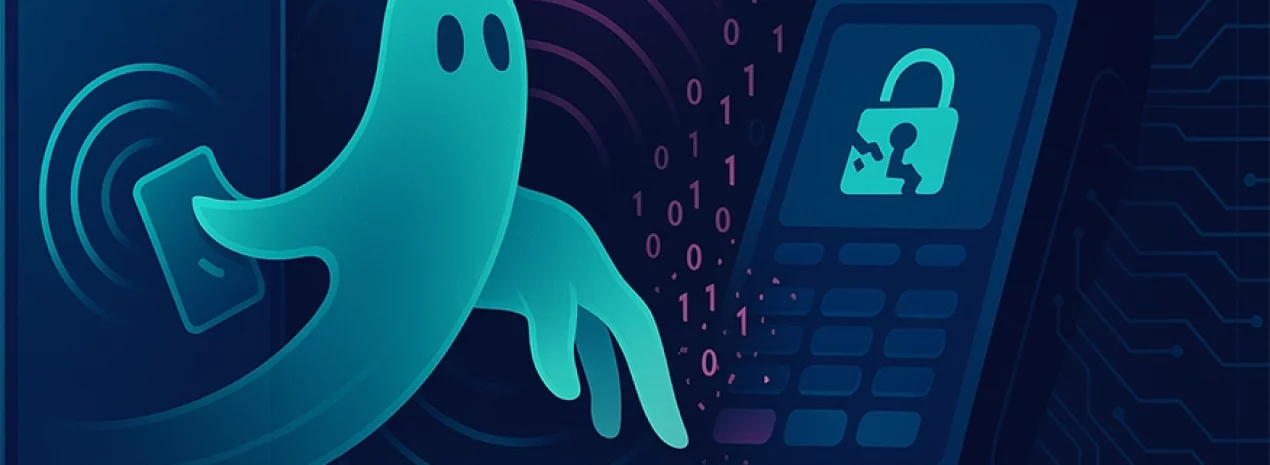

Tap-to-pay technology, once celebrated for its ease and hygiene, has quietly opened a new front in the war against digital fraud. Near Field Communication (NFC), the system that enables phones and cards to make quick payments, is now being manipulated by scammers through a method called ghost tapping. The Better Business Bureau (BBB) warns that as this payment method becomes routine, criminals are finding ways to exploit its very convenience.
“Tapping your card or phone to pay has become second nature for many,” the BBB notes. “It’s quick, easy, and you don’t even have to hand your card to anyone. But scammers are taking advantage of that ease.”
Unlike older debit or credit card scams requiring physical skimming or cloned cards, ghost tapping is contactless. Fraudsters, equipped with hidden NFC-enabled devices, can extract small amounts—or “test charges”—simply by brushing past someone in a busy crowd.
How the Scam Works
Ghost tappers typically target victims in public places such as metro stations, markets, festivals, or crowded streets. They may pose as vendors, bump into someone intentionally, or even operate fake charity stands to trick passersby into tapping their phones or cards. In some cases, scammers don’t need the victim’s cooperation at all — a close proximity of a few centimeters can suffice.
The scam works by exploiting NFC’s short-range radio communication. When a payment-enabled card or smartphone comes within range of the hidden device, a fraudulent transaction can occur. Because many banks allow low-value “tap” payments without requiring a PIN, the fraud often goes unnoticed until it appears as a small, unfamiliar charge on a bank statement.
The BBB reports several victims losing hundreds or even thousands of dollars this way. One recent case involved a fraudster posing as a fundraiser who siphoned off $537(₹47,225) from one victim and $1,100 (₹96,737) from another.
FCRF Launches CCLP Program to Train India’s Next Generation of Cyber Law Practitioners
Warning Signs and Early Detection
The first indication of ghost tapping often appears as a bank alert for a minimal “test” transaction — a charge of a few dollars meant to confirm that the scammer’s device is working. Once successful, larger withdrawals may follow. Experts advise consumers to look for unusual patterns: a request to tap before viewing the total amount, an odd charge after being in a crowded area, or repeated small deductions from unknown merchants.
Vigilance can make a critical difference. Setting up real-time transaction alerts and routinely checking account activity helps detect fraud before significant losses occur. As one cybersecurity analyst noted, “These scams depend on silence — the less often you check your accounts, the more time they have.”
Staying Safe in a Tap-to-Pay World
Despite the risk, experts emphasize that NFC technology itself remains fundamentally secure when used correctly. The problem lies in how opportunistic scammers exploit human habits and busy environments. Several practical safeguards can reduce exposure:
-
Verify before you tap: Always confirm the merchant’s name and the total amount displayed.
-
Use RFID-blocking wallets or sleeves: These can prevent wireless skimming.
-
Avoid contactless use in crowded or high-risk areas: Insert or swipe your card instead.
-
Monitor accounts daily: Set alerts to catch any unauthorized transactions early.
