

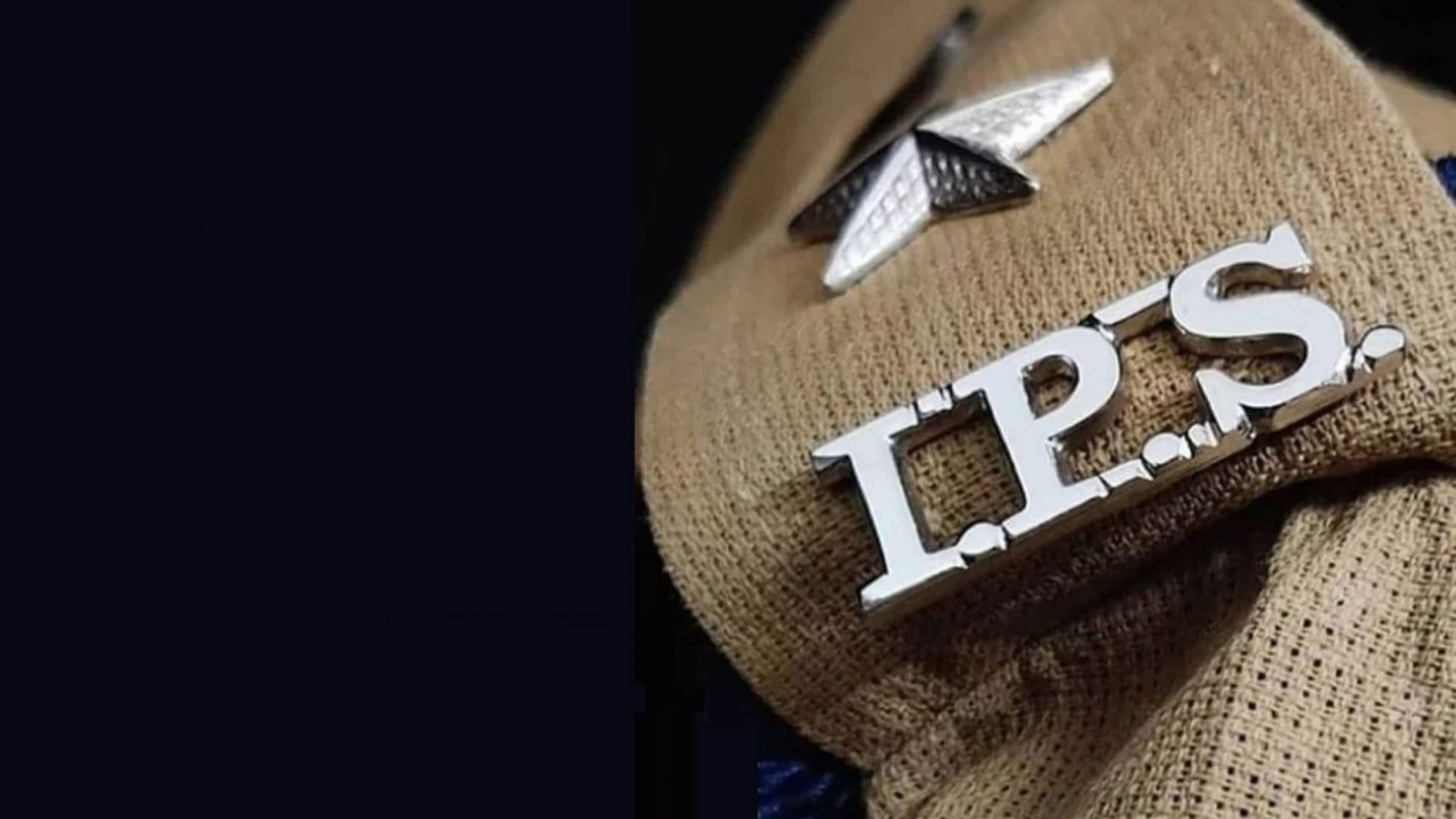

On an ordinary Tuesday afternoon, the quiet of Sector 11 in Chandigarh was shattered by tragedy. Y. Puran Kumar, a senior IPS officer and recently appointed head of the Police Training College in Sunaria, was found dead in the basement of his home. Police say he allegedly shot himself with his service revolver. The discovery was made by his younger daughter, who had gone downstairs after hearing nothing from her father for hours.
Authorities recovered a revolver, a will, and a nine-page handwritten note, described as both personal and accusatory. Early forensic reports confirm the presence of his handwriting, though the content has not been made public pending analysis. The note, officials say, names several serving and retired IPS officers, raising questions about internal conflicts and power struggles within the Haryana Police hierarchy.
FCRF Launches CCLP Program to Train India’s Next Generation of Cyber Law Practitioners
Just one day before his death, Kumar had formally taken charge of his new assignment at the Police Training College—a transfer widely seen as a “punishment posting” after years of friction with senior officers. Those close to him recall a man committed to discipline and transparency, but also increasingly isolated by the institutional politics he had long challenged.
A Web of Allegations and a Shadow of Scandal
Kumar’s death came amid an unfolding bribery and extortion case that had already rocked the state’s law enforcement circles. His former gunman, Constable Sushil Kumar, was recently arrested for allegedly collecting bribes from a liquor businessman. During interrogation, Sushil claimed that he acted under direct instructions from Y. Puran Kumar, demanding monthly payments of ₹2 to ₹2.5 lakh.
An audio recording purportedly capturing one such conversation surfaced, leading to Sushil’s arrest and a corruption case against him. According to police sources, Sushil continued to work closely with Kumar even after his official transfer from Rohtak Range—without any written authorization. He was later remanded to judicial custody after being presented in court.
These developments have cast a complex light on Kumar’s final days. While investigators are cautious not to draw premature links, the timing of his death—coming days after the bribery scandal broke—has raised speculation about whether institutional pressure and reputational damage played a role in his state of mind.
A Career of Confrontation and Conviction
Born in Uttar Pradesh and a 2001-batch IPS officer of the Haryana cadre, Y. Puran Kumar was known as both a reformer and a rebel. A computer science graduate with an additional degree from IIM Ahmedabad, he had earned a reputation for challenging the system from within. Over his two-decade career, Kumar had repeatedly taken on departmental irregularities and filed judicial petitions against what he viewed as procedural injustices.
He once accused a former Director General of Police of discrimination, even approaching the courts over alleged bias in postings and promotions. Within the force, he was both respected and resented — admired for his integrity, yet criticized for his confrontational style. His recent transfer from the influential Rohtak Range to the Sunaria training center, observers note, marked a professional descent from field authority to administrative obscurity.
At home, he was known as a devoted family man. His wife, an IAS officer posted in Haryana, was abroad on an official trip when the incident occurred. Their elder daughter studies overseas, while the younger lived with him in Chandigarh. Those close to the family describe a household caught between public service and relentless bureaucratic strain.
An Investigation Under Intense Scrutiny
The Haryana Police and a forensic team have begun a multi-layered probe into the incident, collecting digital evidence, the suicide note, and call records. Inspector General Pushpendra Singh and senior officers from the Chandigarh forensic lab supervised the initial scene examination, ensuring the process was videotaped for transparency.
Investigators say the note and accompanying documents could prove crucial in determining whether Kumar’s death was an act of personal despair, professional frustration, or institutional retaliation. Parallelly, the bribery case against Constable Sushil Kumar continues to unfold, with new testimonies expected in court this week.
For a state already grappling with accusations of political interference and declining morale within its police force, the death of one of its senior-most officers has triggered rare introspection. The tragedy has revealed not just a man in turmoil, but a system stretched between loyalty and conscience — where speaking out against power can carry a cost far beyond one’s career.
Follow for daily updates on cybercrime, corporate fraud, DFIR, hacking, investigations, and digital forensics
