

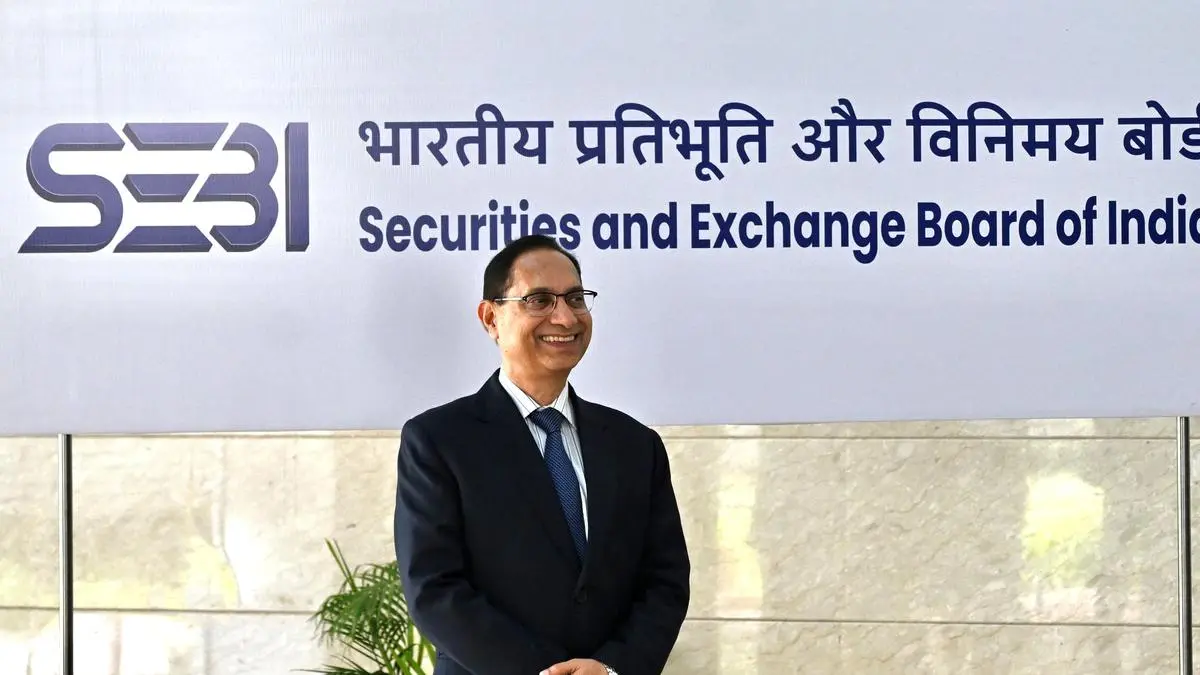

The Securities and Exchange Board of India (SEBI) has leased a luxury Prabhadevi apartment in Mumbai for its chairman at ₹7 lakh per month. While the regulator insists the arrangement follows board-approved policy, critics say it highlights broader questions of transparency, fairness, and optics at a time when millions of Indian families struggle with rising costs.
A Luxury Address for India’s Top Market Regulator
SEBI’s chairman, Tuhin Kanta Pandey, has moved into a 5-bedroom apartment on the 51st floor of Rustomjee Crown in Prabhadevi, one of Mumbai’s most exclusive residential complexes. The apartment, with a carpet area of 3,000 sq. ft., overlooks the Arabian Sea and comes with four car parks and a security deposit of ₹42 lakh.
FutureCrime Summit 2026: Registrations to Open Soon for India’s Biggest Cybercrime Conference
The lease, signed on September 3, locks SEBI into a three-year commitment with an annual 5% escalation clause. Real estate analysts estimate the unit falls squarely within Mumbai’s luxury rental market, typically reserved for high-net-worth individuals and corporate executives.
Policy and Pay: A Question of Structure
According to SEBI, the lease complies with a board-approved accommodation policy that entitles its chairman and senior members to rent-free, unfurnished housing or compensation in the form of House Rent Allowance (HRA) and 10% of basic pay.
At the time of appointment, Pandey had the choice of a consolidated salary of ₹5.62 lakh per month or the government pay scale. The current lease suggests SEBI is footing the housing bill directly, effectively aligning his overall package with a Secretary-level officer of the Government of India — a role where official salaries rarely exceed ₹2.25 lakh per month.
The regulator defended the arrangement, citing both board policy and an independent valuation report from a leading property valuer to confirm that the lease amount is within the “approved limit.”
Optics of Public Spending in a Time of Strain
The move has drawn mixed reactions. Supporters argue that heading India’s capital markets watchdog — overseeing trillions in market capitalization and safeguarding millions of investors — warrants executive-level housing that reflects the gravity of the role.
Critics, however, point to the optics: the chairman of a regulator designed to uphold transparency and protect investors now living in a luxury apartment funded by public resources. The ₹7 lakh rent, they argue, stands in stark contrast to the financial realities faced by ordinary Indians and raises uncomfortable questions about whether public institutions should mirror private corporate lifestyles.
Follow for daily updates on cybercrime, corporate fraud, DFIR, hacking, investigations, and digital forensics
