

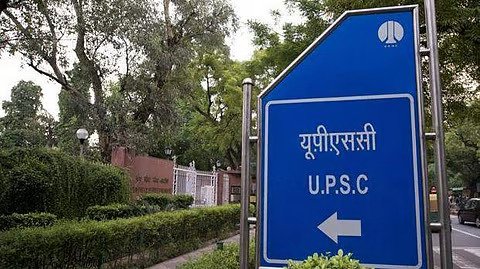

New Delhi — The Union Public Service Commission (UPSC) has taken a significant technological step to make its examination process faster, more secure, and more transparent. The commission has successfully tested an artificial intelligence (AI) based facial recognition system, aimed at preventing fraud and ensuring the accurate identification of candidates.
How the AI Technology Works
The new system scans a candidate’s face at the examination center and instantly compares it with the photograph submitted in their online application form. According to UPSC officials, the verification process takes only 8 to 10 seconds, allowing for rapid and precise identity confirmation.
The pilot project was successfully implemented at select centers for the National Defence Academy (NDA) and Combined Defence Services (CDS) examinations.
UPSC Chairman Ajay Kumar said, “Following the success of the pilot project, we plan to roll out this system across all our examinations, including the prestigious Civil Services Exam. This will not only save time but will also ensure 100 percent accurate identification of candidates.”
FutureCrime Summit 2026: Registrations to Open Soon for India’s Biggest Cybercrime Conference
Emphasis on Security and Accuracy
The initiative was developed in collaboration with the Ministry of Electronics and Information Technology (MeitY). Experts believe that the system will enhance the reliability of the recruitment process and help ensure that only qualified candidates are selected.
Cybersecurity expert said,
“For a prestigious institution like UPSC, leveraging AI to increase transparency in the examination process is a significant step. This system can largely prevent fraud and accurately verify the identity of candidates.”
Future Possibilities
Experts note that the technology is not limited to facial recognition. In the future, it could be used to detect early signs of conditions such as Alzheimer’s disease and dyslexia.
UPSC’s initiative reflects the commission’s commitment to modernizing and securing its examination system. By embracing technological innovation, the commission aims not only to expedite the examination process but also to provide a new level of assurance for both candidates and the organization.
Follow for daily updates on cybercrime, corporate fraud, DFIR, hacking, investigations, and digital forensics
