

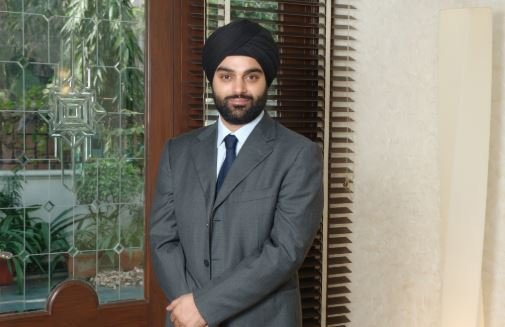

Manpreet Singh Chadha, better known as Monty Chadha, son of late liquor baron Ponty Chadha, has petitioned the Delhi High Court seeking removal of online reports about his past arrest in a ₹100 crore fraud case, citing irreparable harm to his reputation despite his acquittal. The case reopens debate on the contours of the “right to be forgotten” in India’s digital age.
The Case for Digital Erasure
Chadha’s counsel argued that despite his acquittal in November 2019, outdated articles and videos continue to circulate online, tarnishing his personal and professional reputation. He invoked his fundamental right to privacy and the emerging jurisprudence on the “right to be forgotten,” claiming that constant visibility of past allegations violates his dignity.
The businessman stressed that online traces of his arrest and trial have impaired his family’s social standing and professional relationships. He has demanded damages worth ₹2 crore from media outlets for defamation and sought interim injunctive relief to take down the reports.
Data Protection and DPDP Act Readiness: Hundreds of Senior Leaders Sign Up for CDPO Program
Media Houses, Tech Giants Named in Suit
The defamation suit names some of India’s biggest media platforms, including Bennett Coleman, ANI Media, HT Media, NDTV, Indian Express Online, LiveMint, The Tribune, and The Hindu. Global tech giants Meta, Google, and X (formerly Twitter) have also been listed as respondents for enabling continued access to the content.
Chadha’s plea claims that these outlets made accessible “misleading and outdated” reports, which were published when proceedings were ongoing. He insists their continued dissemination violates his fundamental rights, even after the trial court compounded the FIR and acquitted him.
The Enforcement Wing of Economic Offences Wing (EOW) had booked Chadha in 2018, leading to his arrest in June 2019. However, the trial court disposed of the case later that year, effectively clearing him of charges.
Court Seeks Clarifications, Defers Action
Justice Purushaindra Kumar Kaurav, who briefly heard the matter, asked Chadha’s counsel to clarify two key issues: whether there is an enforceable right to be forgotten, and whether the petition is barred by the law of limitation, as it was filed more than five years after the acquittal.
The Court granted time for Chadha’s legal team to respond but refrained from issuing summons at this stage. Meanwhile, ANI Media’s counsel argued that continued online availability of old reports does not constitute a fresh cause of action, and limitation must be counted from the date of first publication.
Chadha has also sought a “John Doe” order to ensure takedown of all such content, warning that denial of interim relief would cause him grave and irreparable harm.
The Right to Be Forgotten (RTBF) is a legal principle that allows individuals to seek removal of personal information from the internet if it is outdated, irrelevant, or harmful to their reputation. Recognized as part of the Right to Privacy under Article 21 of the Indian Constitution and upheld in the 2017 Puttaswamy judgment, the RTBF has become a contentious issue in balancing personal dignity with public interest and freedom of the press.
Follow for daily updates on cybercrime, corporate fraud, DFIR, hacking, investigations, and digital forensics
