

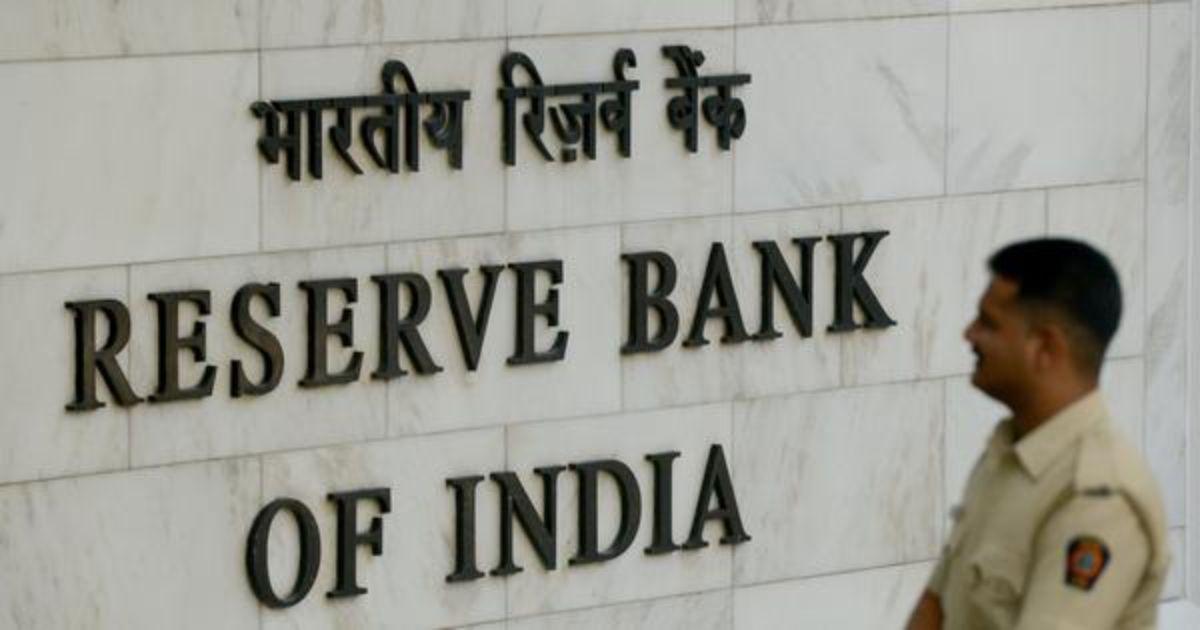
The Reserve Bank of India (RBI) has highlighted pressing concerns about the growing role of artificial intelligence in the financial sector, warning that unchecked reliance on AI could expose institutions to financial losses, reputational risks, and systemic vulnerabilities. These findings were published in the RBI’s Framework for Responsible and Ethical Enablement of Artificial Intelligence (FREE-AI) Committee Report.
According to the report, AI-powered fraud detection tools could mistakenly classify legitimate customer transactions as suspicious. Such errors not only inconvenience customers but can also result in revenue loss and erode public trust in the banking system. Equally concerning is the risk that fraud models may miss actual malicious activities if monitoring is not consistent, especially when algorithms drift from their intended behaviour.
Data Protection and DPDP Act Readiness: Hundreds of Senior Leaders Sign Up for CDPO Program
Risks in Credit Scoring and Market Stability
The RBI report also raised red flags over AI-driven credit scoring systems. These models, often dependent on real-time data feeds, could fail if upstream data sources are corrupted or manipulated. Faulty credit assessments could deny legitimate borrowers access to credit or wrongly approve high-risk applicants, amplifying instability in the financial sector.
The Financial Stability Board (FSB) has also noted that AI can reinforce vulnerabilities in global markets. For instance, models trained on historical data may exaggerate boom-bust cycles. The adoption of similar AI models across institutions could create a “herding effect,” leading to synchronized decisions that increase market volatility. Excessive dependence on algorithmic trading and risk management tools could reduce diversity in strategies and magnify stress during crises.
Accountability and Legal Challenges
Another critical issue flagged by the RBI is the opacity of AI systems. With decision-making processes often hidden in complex algorithms, determining responsibility in cases of bias, error, or harm becomes difficult. Questions over liability: whether with financial institutions, AI developers, or data providers, etc., could expose banks to regulatory sanctions and legal disputes.
Bias in training data can also result in discriminatory outcomes for customers, raising ethical and legal challenges. The RBI has stressed the need for transparent governance frameworks and continuous oversight to ensure fairness, accountability, and resilience in AI-driven financial systems.
