

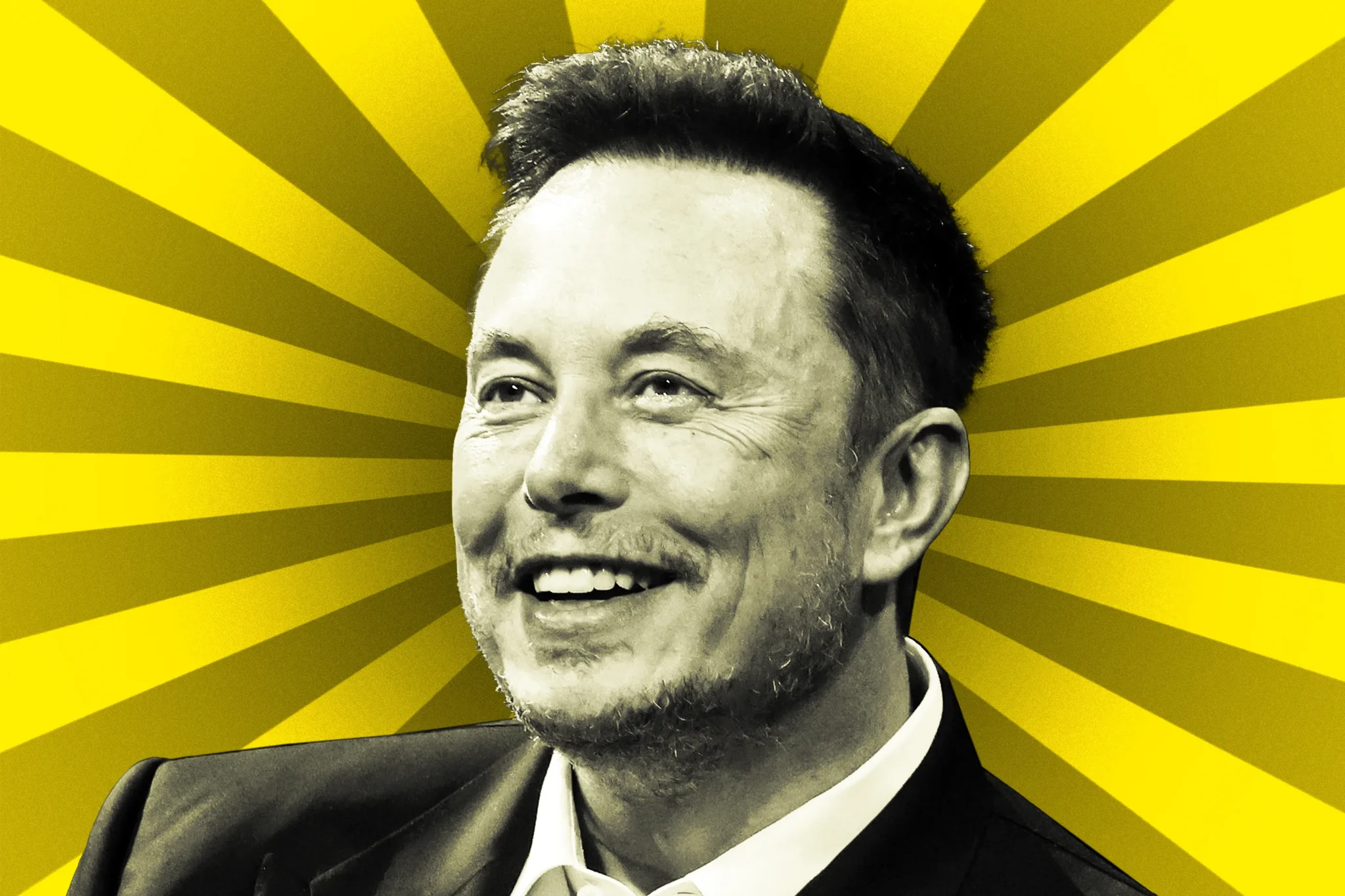

A 14-page report released by Senator Elizabeth Warren’s office has accused Elon Musk of using his federal role as head of the Department of Government Efficiency (DOGE) to enrich himself and his companies, notably Tesla, SpaceX, and AI startup xAI. During his 130 days under the Trump administration, Musk allegedly operated with little oversight, promoting private interests through a public platform.
The report outlines more than 100 actions it deems ethically questionable or self-serving. “Musk and individuals acting on his behalf have been involved in dozens of actions that raise serious concerns about corruption, conflicts of interest, and the misuse of public office,” the report states.
Among the cited instances is the alleged transformation of the White House lawn into a Tesla showroom, along with numerous federal interactions exploring lucrative contracts with Musk’s companies, including Starlink surveillance tech for U.S. Customs.
Government for Profit? Contracts, Investigations, and Ethics Questions
The report provides a scathing look at Musk’s time as a “special government employee,” highlighting how his companies received or were considered for major government and foreign contracts during his DOGE tenure. These include deals with the Department of Homeland Security, defense agencies, and foreign governments—all while Musk reportedly maintained decision-making power over procurement and regulatory policies.
Inside the Coinbase India Data Leak: Bribes, Outsourcing, and a ₹3,320 crore Breach
Six documented cases show Trump-era officials halting investigations or enforcement actions against Musk’s companies, including one by OSHA into workplace safety violations at Tesla. Critics argue this represents a troubling erosion of the separation between private gain and public responsibility.
Warren’s office describes the pace of these activities as “astonishing,” calling Musk’s actions “scandalous behavior regardless of whether it subjects him to criminal prosecution.”
Political Fallout and Broader Implications
The fallout has triggered calls for accountability. Three Democratic senators, including Warren, have urged the Department of Justice to probe potential violations of conflict-of-interest laws by DOGE employees who owned stocks in companies they were tasked with regulating.
Musk, who has not publicly commented on the report, completed his DOGE tenure last week. According to CNBC, neither he nor his representatives responded to requests for clarification.
While Musk’s defenders argue that his leadership brought a bold reformist approach to government bureaucracy, critics view it as a cautionary tale of blurred lines between state power and corporate interests. “This is not just about Elon Musk,” one congressional aide noted, “but about how much influence billionaires can wield inside democratic institutions.”
As the Senate report circulates and pressure mounts for a formal investigation, the “130 days of Elon Musk” may come to symbolize a broader debate over tech billionaires in government, the ethics of dual allegiances, and the future of public accountability in the age of private power. Whether the allegations lead to legal consequences remains uncertain—but the political and ethical reckoning has already begun.
