
Stay ahead with our breaking stories and exclusive coverage prioritized on Google.
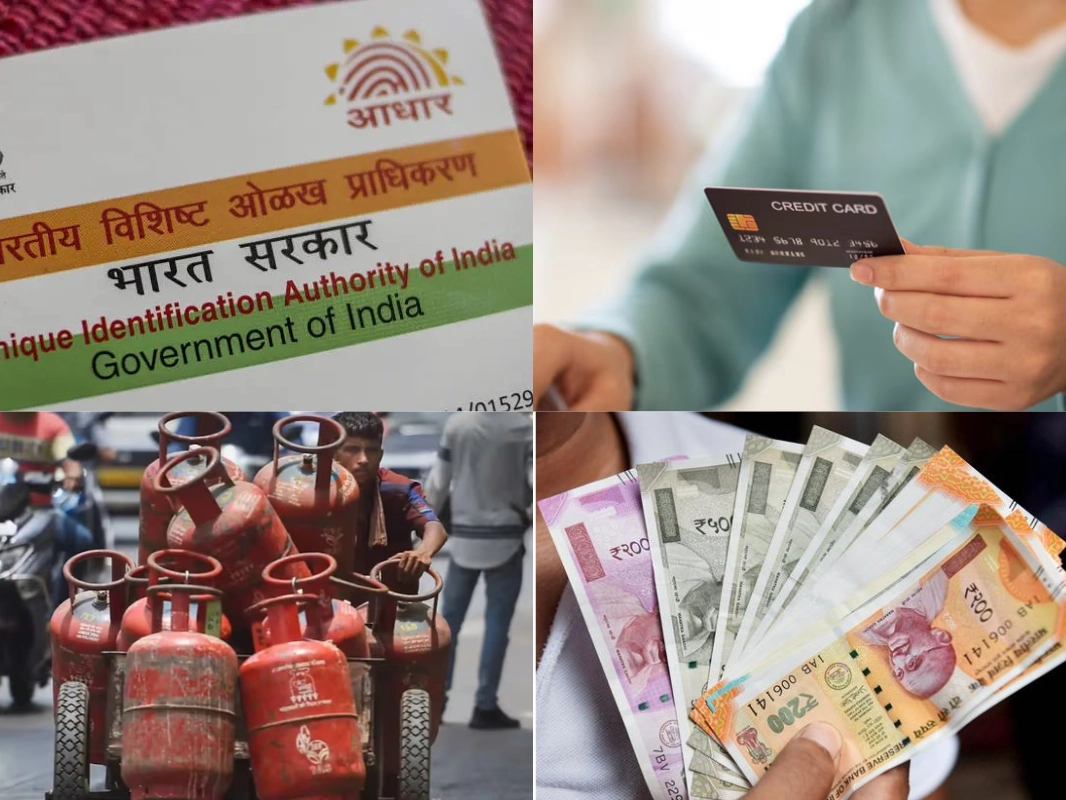
Add The420 on Google →New Delhi: Several key regulatory and financial changes affecting credit card users, commodity traders, overseas investors, and pensioners are set to take effect in December 2026. State Bank of India (SBI) credit cardholders will face additional charges on high-value fuel and transport transactions starting December 1, while the Securities and Exchange Board of India (SEBI) will introduce revised minimum initial margin rules for commodity derivatives. At the same time, digital Know Your Customer (KYC) procedures will become simpler for eligible non-resident investors, and the fee waiver for updating email addresses in Aadhaar will remain active until the end of the month.
Alongside these updates, central government pensioners face an immediate deadline for submitting their annual life certificates, and borrowers across the country will closely watch the Reserve Bank of India (RBI) monetary policy meeting scheduled for early December.
Higher SBI Card Fees and New Commodity Margin Rules
From December 1, SBI Card will levy a one percent fee on individual transport transactions exceeding Rs 30,000, applicable to select transport payments. A similar one percent charge will apply to fuel transactions if a cardholder’s eligible fuel spend crosses Rs 50,000 within a single billing cycle. In such cases, the fee will be calculated on the entire fuel spend, with applicable taxes charged separately. For instance, a cardholder spending Rs 60,000 on fuel in a billing cycle will incur an extra charge of Rs 600 plus taxes.
In the financial markets, SEBI will implement a revised minimum initial margin framework for commodity derivatives trading from December 1. Under the new structure, minimum initial margins are set at six percent for low-volatility commodities, eight percent for medium-volatility commodities, and 10 percent for high-volatility commodities. The margin period of risk will be a minimum of two days for low and medium-volatility commodities, and three days for high-volatility commodities, altering the capital requirements traders must maintain with their brokers.
Simpler Digital KYC for Overseas Investors and Aadhaar Relief
Starting December 3, eligible Non-Resident Indians (NRIs), Overseas Citizens of India (OCIs), and foreign nationals residing in Financial Action Task Force (FATF) compliant jurisdictions will be able to complete their KYC formalities digitally through SEBI-registered intermediaries. The facility removes the requirement for physical verification in India, reducing both travel costs and processing time for overseas investors accessing Indian securities markets.
Meanwhile, individuals looking to update their email address in Aadhaar can continue to do so free of charge until December 31, 2026. The Unique Identification Authority of India (UIDAI) had temporarily waived the Rs 75 fee for email updates made through its official mobile application for a six-month period starting July 1. The waiver applies strictly to email address updates and does not cover other Aadhaar services or modifications.
Pensioner Deadline and RBI Monetary Policy Meeting
For central government pensioners, November 30 marks the final date to submit their annual life certificate. Failure to submit the certificate within the stipulated timeline could result in delayed or temporarily halted pension disbursements. Pensioners can complete the submission online using the digital life certificate facility or through authorised channels to ensure uninterrupted payments.
Attention will also turn to the RBI’s Monetary Policy Committee, which is scheduled to meet from December 2 to December 4 to decide on the repo rate. Any adjustment to the benchmark rate will directly influence interest rates on loans linked to external benchmarks. While a rate cut could lower borrowing costs and equate to EMI relief for home and vehicle loan borrowers, a hike would make credit costlier, and a status quo decision would keep existing lending rates largely unchanged.