
Stay ahead with our breaking stories and exclusive coverage prioritized on Google.
Add The420 on Google →Mumbai Police have issued Lookout Circulars (LOCs) against three leaders of the Cockroach Janata Party (CJP) in connection with a criminal case registered following a protest at Shivaji Park on October 2, 2026.
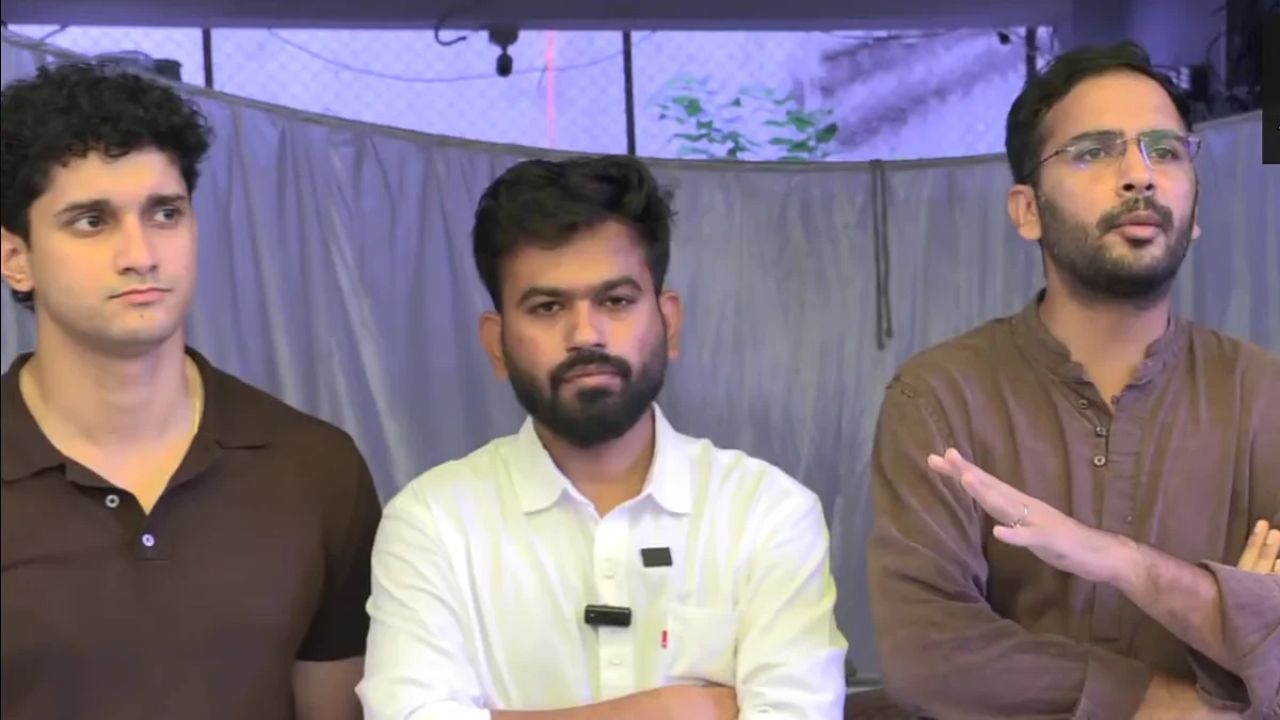
The circulars have been issued against CJP national convener Abhijeet Dipke and co-conveners Ashutosh Ranka and Saurav Das. The action relates to an FIR registered at Shivaji Park police station on October 3, a day after the protest.
The wider scope of the police action emerged during proceedings before the Delhi High Court concerning a travel restriction imposed on Das, who was stopped from boarding an international flight earlier this week.
FCRF Launches Certified Chief Risk Officer (CRO) Program for India’s Risk Leaders
What Charges Were Registered After the Shivaji Park Protest?
According to the reported details, Mumbai Police registered an FIR on October 3 against the organisers of the October 2 protest at Shivaji Park.
The case also names approximately 400 to 500 unidentified participants who allegedly attended the gathering.
The FIR invokes Sections 189 and 223 of the Bharatiya Nyaya Sanhita (BNS), dealing with unlawful assembly and disobedience of an order lawfully issued by a public servant, respectively.
The Lookout Circulars against Dipke, Ranka and Das have been linked to the investigation arising from this FIR.
The action brings three senior CJP functionaries under travel-related restrictions in connection with the same protest case.
How Did the Lookout Circulars Come to Light?
The restrictions came under scrutiny after CJP co-convener Saurav Das was stopped by immigration authorities at Delhi’s Indira Gandhi International Airport.
Das was scheduled to travel to the United Kingdom on the night of November 23 to participate in a panel discussion at Oxford.
However, he was prevented from boarding his flight after immigration officials identified an active alert against his passport.
Das subsequently approached the Delhi High Court to challenge the travel restriction.
During proceedings on November 26, the Union government informed Justice Amit Mahajan that the Lookout Circular against Das had been initiated at the specific request of Maharashtra Police.
The proceedings also brought attention to the broader police action involving the other two CJP leaders.
What Legal Questions Were Raised Before the Delhi High Court?
Appearing for Das, senior advocate Akhil Sibal questioned the restriction on his client’s international travel without prior notification or access to the relevant order.
Sibal argued that Das possessed a valid passport and visa and had not been given sufficient time to respond to a show-cause notice presented shortly before his scheduled departure.
He maintained that the restriction interfered with his client’s right to travel and questioned the legality of preventing him from leaving the country without explaining the grounds.
The petitioner’s counsel also sought a copy of the Lookout Circular, its date of issuance and details of the charges on which it was based.
Representing the Union government, Additional Solicitor General Chetan Sharma stated that the document could not be furnished directly during the hearing and that Das could pursue a separate legal challenge against the circular.
The Centre also raised alleged discrepancies concerning Das’s educational background, residential address and parentage, suggesting that these could have implications for his citizenship status. These were submissions made on behalf of the government, not findings recorded against him.
The proceedings have brought the travel restrictions against three CJP leaders into focus, alongside questions about the grounds and procedures followed in issuing Lookout Circulars in connection with the Shivaji Park protest case.
About the author — Suvedita Nath is a science student with a growing interest in cybercrime and digital safety. She writes on online activity, cyber threats, and technology-driven risks. Her work focuses on clarity, accuracy, and public awareness.