
Follow us on Google News

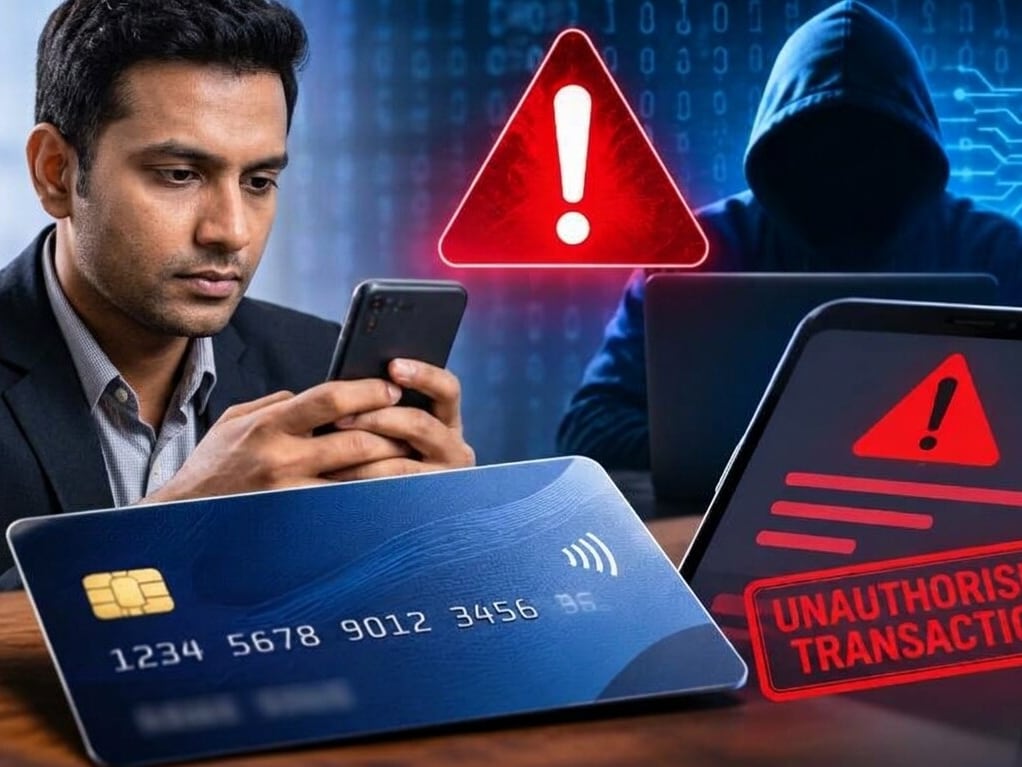
Cyber fraudsters attempted to dupe a senior doctor at the Sanjay Gandhi Postgraduate Institute of Medical Sciences (SGPGI) in Lucknow by sending a fake invitation to an online meeting in the name of the Uttar Pradesh Chief Minister. The email contained a suspicious link alongside a PDF file prepared on a letterhead purporting to be that of the Chief Minister. Shortly after the email was sent, the doctor received a phone call pressuring him to join the virtual session. Recognizing the red flags, the doctor refrained from clicking the link or attending the meeting, thereby averting a potential cyber fraud. Following his complaint, the PGI police registered a case on Monday night and initiated an investigation.
Suspicious Email and Follow-Up Call
According to Dr. Jitendra Singh Chahar, who is posted in the Critical Care Medicine department at SGPGI, the deceptive message arrived in his inbox on November 11. The email was dispatched from an address reading cmup@joinmeet.in and carried an attachment formatted on the Chief Minister’s official letterhead, accompanied by a web link to join an online meeting.
Within a short span of receiving the email, Dr. Chahar received a phone call from an unknown number. The caller urged him to log into the online meeting purportedly convened by the Chief Minister. The combination of an unverified email domain, the use of an official letterhead, and the sudden phone call pressuring him to join immediately raised Dr. Chahar’s suspicions. Exercising caution, he neither opened the link nor participated in the virtual session, and subsequently approached the PGI police station to lodge a formal complaint.
Police Trace Digital Trail
Based on the doctor’s written complaint, PGI police registered a First Information Report on Monday night and began tracing the digital footprint of the perpetrators. Investigators are currently examining the sender’s email address, the embedded meeting link, and the phone number used to contact the doctor. Efforts are underway to determine the server location from which the email originated and to identify the individuals behind the attempted scam.
Cybercrime patterns indicate that fraudsters frequently use fabricated official invitations to gain a victim’s trust and prompt them to click on malicious links. Once accessed, such links can redirect users to spoofed websites designed to harvest login credentials, passwords, or sensitive personal data, or silently install malware onto their devices. However, officials noted that the exact nature of the link and the specific intent of the fraudsters in this case will become clear once the technical investigation concludes.
Rising Concerns Over Impersonation Scams
The incident has heightened concerns over the misuse of high-profile government identities and official stationery to deceive citizens. Cybercriminals often impersonate senior officials, government departments, or reputed institutions, using formal language and forged letterheads to make their communication appear authentic. Coupling an email with an urgent phone call is a common tactic used to create a false sense of urgency and prevent victims from verifying the request.
This attempted fraud is not an isolated cybercrime incident involving SGPGI faculty. Earlier, a woman doctor at the same institute was allegedly defrauded of crores of rupees after cybercriminals subjected her to a “digital arrest” scam. In that case, the accused impersonated law enforcement officials and used fear of legal action to coerce her into transferring large sums of money. Authorities advise individuals to independently verify unexpected meeting invites through official departmental channels, scrutinize email domains carefully, and avoid clicking on unverified links or sharing sensitive credentials.