
Follow us on Google News

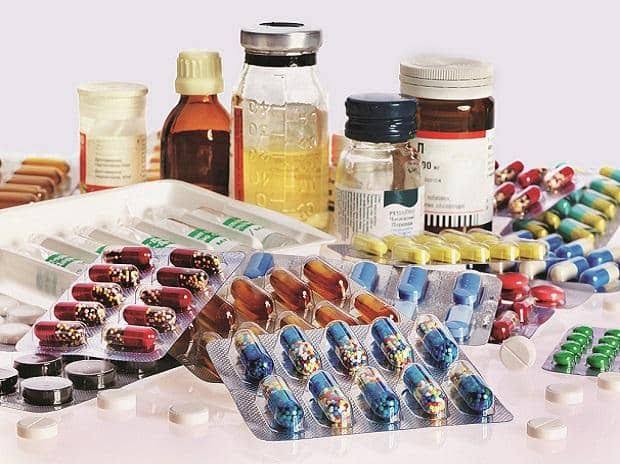
Varanasi: A nexus of inflated maximum retail prices and monopoly drug sales is operating across nearly 25 percent of private hospitals and nursing homes in the district, an investigation has revealed. Flouting government regulations, medical facilities and pharmaceutical representatives are allegedly striking deals on trade rates and printing exorbitant retail prices on essential medical items. During an undercover sting operation where reporters posed as medical representatives, hospital staff openly demanded higher profit margins and commissions, revealing that nebulizer masks purchased for Rs 30 are being sold to patients for Rs 500, while syrups costing Rs 87 are priced at Rs 200.
The investigation also uncovered widespread violations of pharmacy standards, particularly in maternity and delivery hospitals. At several facilities, medicines are being dispensed to patients through small windows from cramped 5-by-5-foot rooms by unqualified staff rather than registered pharmacists. Under the Drugs and Cosmetics Act, 1940, its 1945 rules, and the Pharmacy Practice Regulations, 2015, only a registered pharmacist wearing a white apron and a badge displaying their name and registration number is legally permitted to verify prescriptions and dispense drugs. Dispensing medicine through non-technical employees or assistants is a punishable offense, and retail hospital pharmacies are legally required to maintain a minimum carpet area of 10 square meters, or roughly 108 square feet.
Sting Exposes Demands for Commissions and High Margins
During the undercover operation conducted on Saturday, the reporting team visited multiple private healthcare facilities to negotiate product placements. At a private hospital in the Paharia area, a doctor redirected the undercover reporters to his assistant when pitched products offering good profit margins. When the reporters quoted a trade rate of Rs 150 and an MRP of Rs 210 for a cyproheptadine syrup, the assistant pulled another syrup from a drawer. He noted that the existing syrup cost them only Rs 87 and yielded a much higher margin, asking the reporters if they could supply an even cheaper alternative.
A similar pattern emerged at a private orthopedic hospital in Lalpur, where reporters were sent directly to the pharmacy counter. When offered painkillers at a trade rate of Rs 90 with an MRP of Rs 130, the pharmacy staff explicitly stated that the MRP would need to be raised to at least Rs 200 for the doctors to prescribe it. The staff explained that the inflated retail price was necessary to accommodate both the doctor’s commission and the pharmacy’s profit margin. In the Shivpur area, a nursing home medical operator demanded a minimum profit margin of 80 percent on surgical products. When quoted Rs 100 for a nebulizer mask carrying a Rs 500 MRP, the operator revealed that the facility already procures the exact same mask for just Rs 30.
Earlier Inspections Found Tenfold Price Discrepancies
The sting findings follow a recent joint raid by teams from the Uttar Pradesh Food Safety and Drug Administration from Lucknow and Varanasi across three hospital pharmacies in Chitaipur and Mahmoorganj. Out of 130 medicines inspected during that drive, 36 had MRPs up to ten times higher than their actual purchase prices. Most of these overpriced drugs were critical medicines used in intensive care units and for treating severe infections. Inspectors found that certain drugs purchased for Rs 90 were being sold at MRPs reaching Rs 4,500, while nebulizer masks bought for Rs 26 were billed up to Rs 500. The joint team has submitted a detailed inspection report to the headquarters, and departmental action is expected following a review.
Officials and Chemists Flag Monopoly Nexus
Commenting on the practice, Sanjay Singh, General Secretary of the Chemists Association, confirmed that a nexus exists between certain pharmaceutical companies and hospital pharmacies. He explained that hospitals procure these specific brands directly from manufacturers at high margins, ensuring the medicines are unavailable with general market stockists. Consequently, patients are left with no choice but to buy the expensive drugs from the hospital’s internal pharmacy. Singh added that all wholesale and retail chemists support the enforcement campaign being carried out by the drug administration.
Chief Medical Officer Dr. NP Singh stated that forcing patients to buy specific brands or purchase medicines exclusively from in-house hospital pharmacies is completely against the rules. He noted that the drug administration is actively investigating the matter and forwarding reports to the headquarters. Assuring full cooperation from the health department, the CMO emphasized that the financial exploitation of patients will not be tolerated under any circumstances.