
Follow us on Google News

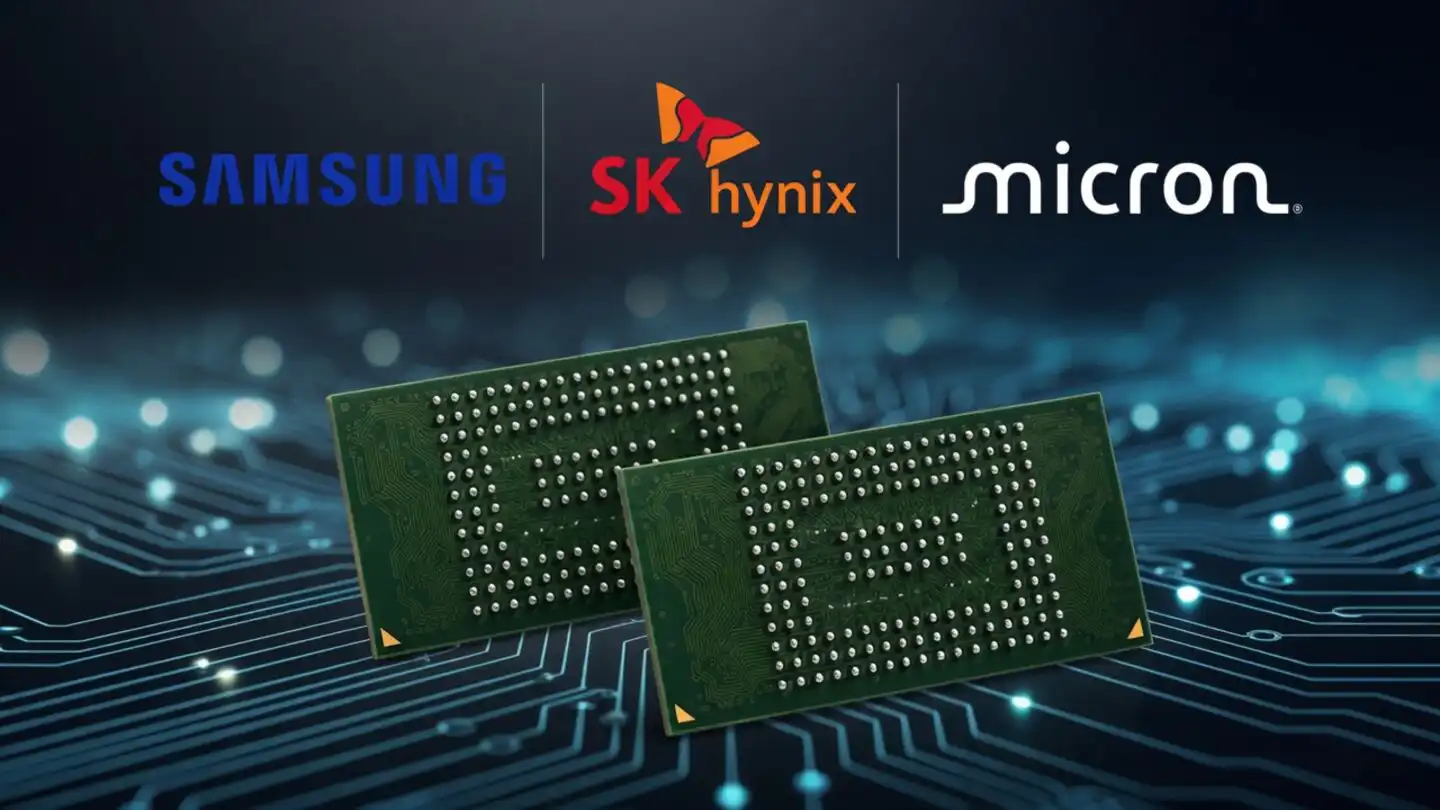
NEW DELHI: Leading memory chipmakers Samsung, Micron, and SK Hynix are facing renewed allegations of colluding to inflate RAM prices as a lawsuit against them advances in a United States court. The legal complaint claims that the three companies deliberately restricted the supply of DRAM chips to drive up market prices while capitalizing on surging demand from artificial intelligence data centers. A California court recently rejected Samsung’s petition to dismiss the lawsuit, clearing the way for legal proceedings to move forward against the semiconductor giants.
According to the lawsuit, instead of expanding production to capture market share amid rising demand for AI data center projects as would occur in a competitive market, the three firms adopted a coordinated strategy to limit output. Petitioners argue that in a truly competitive environment, any single manufacturer would have ramped up production to sell more chips, prompting rivals to follow suit. Instead, the companies allegedly chose to hold back supply.
Supply Shifted From Consumer Devices to AI Servers
The complaint states that the manufacturers curtailed the supply of standard DRAM chips used in consumer electronics to prioritize the production of High Bandwidth Memory (HBM) and server-grade components required for high-capacity AI servers and data centers. Petitioners allege that this shift reduced the memory available for consumer products and eliminated certain supply channels, triggering a sharp escalation in prices.
As additional evidence of potential coordination, the lawsuit points out that all three companies sent nearly identical questionnaires to their customers around the same time, asking how the purchased DRAM chips would be utilized. Petitioners contend that such parallel questioning deviates from normal business practices and suggests market collusion. The filing asserts that this alleged conduct violates Section 1 of the US Sherman Antitrust Act, which prohibits agreements or cooperation between business entities aimed at restricting trade and harming competition, though the allegations remain unproven in court.
Third Price-Fixing Allegation in Three Decades
This marks the third time in roughly three decades that Samsung, Micron, and SK Hynix have been accused of price manipulation or collusion in the DRAM market. The California court’s recent order also referenced a past cartel case spanning 1998 to 2002, in which the three companies, along with the now-defunct DRAM divisions of Infineon and Elpida, pleaded guilty to participating in cartel-like activities.
While the three manufacturers were previously cleared in a similar price-fixing lawsuit in 2018, the current proceedings and upcoming judicial findings are being closely watched across the technology sector.
Rising Costs for Computers and Gaming Hardware
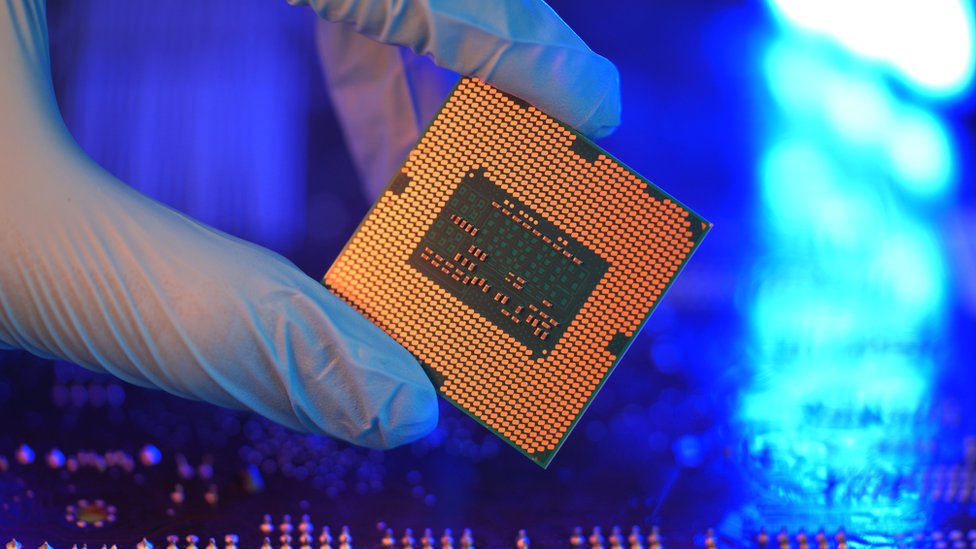
DRAM memory is a critical component in personal computers, laptops, gaming consoles, smartphones, and other electronic devices, meaning higher chip prices directly affect manufacturing costs and retail pricing. Concern over the steep rise in RAM prices has grown in recent months, largely driven by the rapid expansion of AI data centers.
Industry estimates indicate that DRAM prices have increased more than fivefold since 2025. However, analysts note that alleged collusion alone does not account for the surge, as intense demand for AI server memory and constraints on manufacturing capacity are also pressuring the market. Experts project that memory demand could continue to outpace supply through much of 2027, leaving limited scope for near-term price relief. It remains unclear when the court will reach a final verdict or whether the ongoing litigation will immediately affect market prices, as judges have yet to determine if the companies entered into an unlawful agreement to restrict competition.