
Follow us on Google News

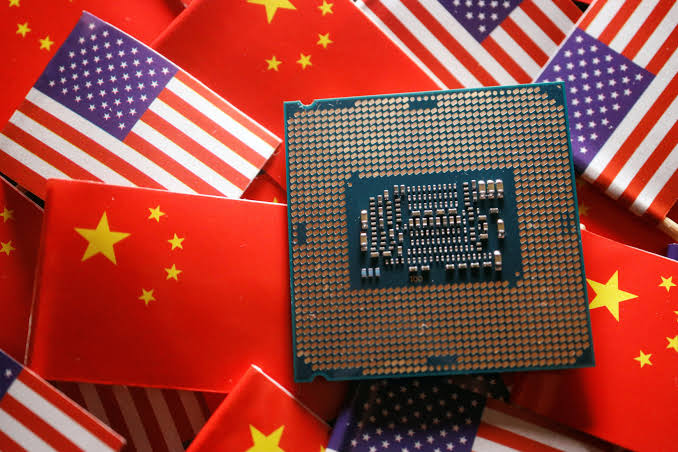
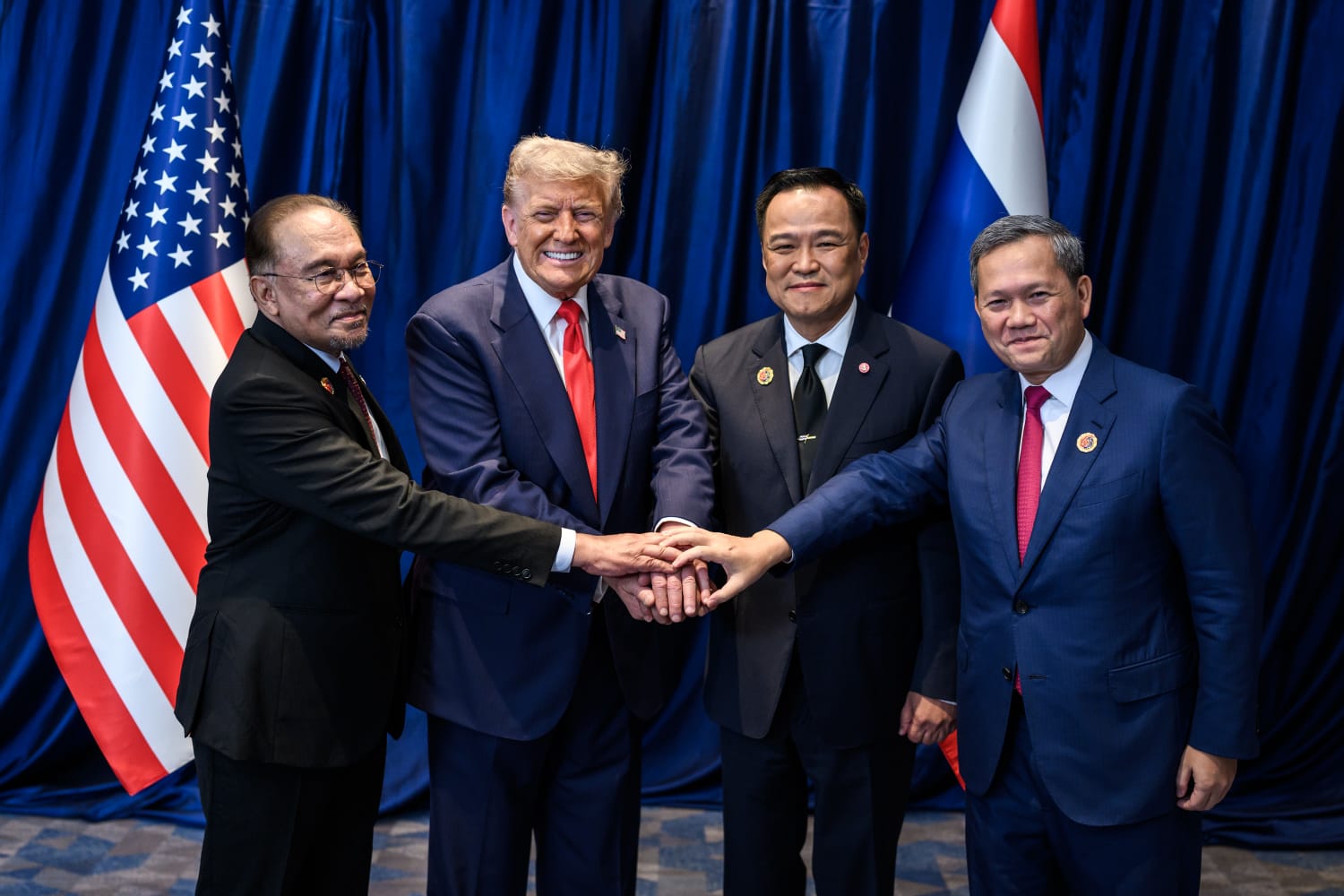
United States President Donald Trump is heading to Asia this week amid domestic political setbacks from the midterm elections and a growing espionage controversy linked to China. Global attention is fixed on Trump’s scheduled meeting with Chinese President Xi Jinping in Shenzhen, alongside discussions of a potential trilateral summit involving Russian President Vladimir Putin. With a temporary US-China trade truce set to expire in January, the upcoming talks carry significant implications for bilateral ties, technology competition, and Taiwan. Trump will first arrive in Manila on Tuesday for meetings with Southeast Asian and regional leaders before traveling to Shenzhen for the Asia-Pacific Economic Cooperation (APEC) forum, with another Trump-Xi meeting planned for December at the G-20 summit in Miami.
Midterm Setbacks and Nvidia Controversy Shift Dynamics
Until recently, the Shenzhen meeting was viewed as a low-risk diplomatic engagement due to the temporary trade truce extended into early next year. However, Republican losses in the recent midterm elections have altered the political landscape. According to Ruby Osman, a China policy adviser at the Tony Blair Institute in London, reduced concern over immediate election outcomes and market reactions could make Trump more willing to take tough, unpredictable steps against Beijing. Meanwhile, Washington has reminded China to fulfill its commitments under their trade agreement.
Adding to the friction is an espionage controversy surrounding Nvidia Chief Executive Officer Jensen Huang, who is known to have close ties with Trump. Allegations regarding Huang’s purported links to a suspected Chinese spy and the transfer of restricted semiconductor chips to Chinese customers have stirred debate in Washington. House Speaker Mike Johnson noted last week that congressional consensus is growing to block China’s access to advanced chips, an issue Democrats are expected to press when they assume House and Senate majorities in January. While Beijing dismissed the spying claims as a pretext for a tech blockade, Nanjing University professor Zhu Feng warned the dispute could accelerate artificial intelligence decoupling. Still, a senior US official indicated Trump does not plan to raise the espionage issue directly with Xi.
Trilateral Nuclear Talks and Legacy Goals
Analysts suggest Trump may prioritize legacy-building initiatives over new disputes, including pursuing a nuclear arms control agreement with China and Russia and exploring another meeting with North Korean leader Kim Jong Un. While Trump hopes a trilateral meeting with Xi and Putin could advance nuclear talks, Chinese analysts note Beijing is reluctant because its nuclear arsenal is much smaller than those of Washington and Moscow. Trump may also seek Russian and Chinese assistance in arranging future talks with Kim. Observers have compared the potential three-way summit to the 1945 Yalta Conference, raising concerns in Ukraine, which remains locked in a four-year war with Russia. However, a US official stated Trump is unlikely to bring up Ukraine during the session.
Pressure Over Taiwan Arms and Trade Truce
Xi Jinping is expected to leverage Trump’s weakened domestic standing to press Beijing’s top priority: halting a proposed $14 billion US arms sale to Taiwan, which China claims as its territory. Trump has previously indicated he is holding off on the weapons package as bargaining leverage with Beijing. Analysts believe China aims to buy time ahead of a potential successor in two years, such as Secretary of State Marco Rubio, who could adopt a harder line. Ultimately, both Washington and Beijing want to prevent another trade war that could rattle global markets, with experts predicting the temporary trade truce expiring on January 10 is likely to be extended.