
Follow us on Google News

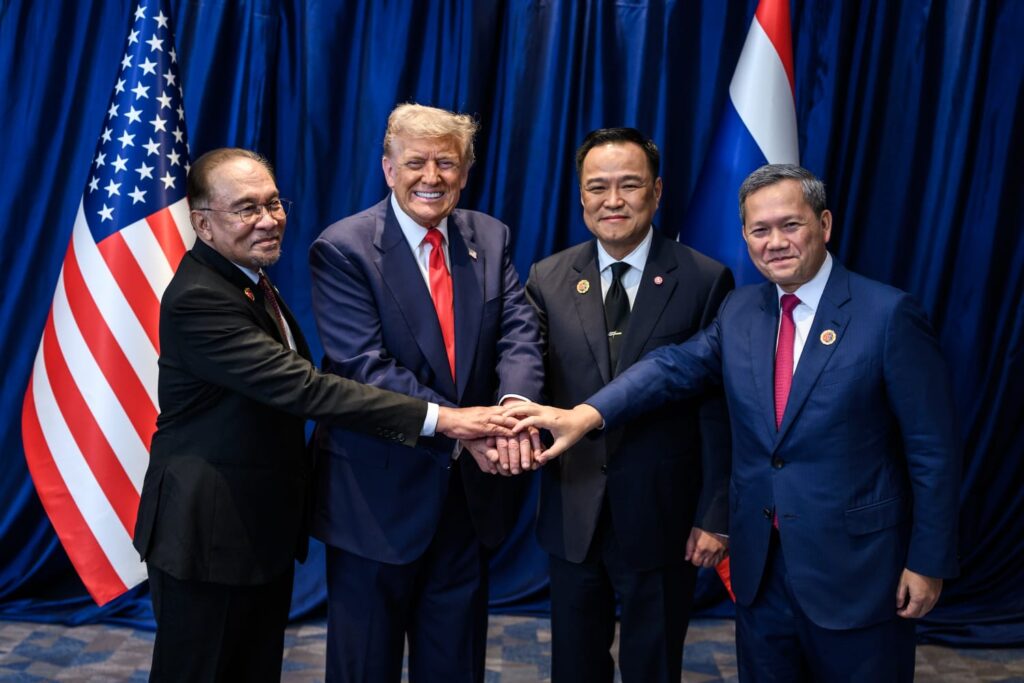
The United States has issued a new rule to strengthen the security of advanced artificial intelligence (AI) chips and prevent unauthorized access through third countries. Announcing the measure on Monday, the US Commerce Department stated that the regulation is designed to stop restricted parties from bypassing existing export controls on sensitive American technology through remote computing arrangements. The announcement comes as President Donald Trump departs for an Asia tour that includes a scheduled meeting with Chinese President Xi Jinping. Under the new framework, Washington aims to close loopholes that allow users in restricted nations to tap into the computing power of advanced US AI chips housed in foreign data centers without the hardware ever being physically exported to those countries.
Closing Loopholes in Third-Country Data Centers
According to the Commerce Department, the regulation ensures that existing restrictions on sensitive American technology cannot be neutralized via remote computing setups linked to data centers in third countries. In its statement, the department emphasized that export controls must not remain limited to the physical supply of hardware, but must also extend to technical arrangements that enable restricted entities to utilize high-end computing capacity. US officials have expressed concern that even when direct shipments of advanced chips are blocked, foreign computing resources can still be leveraged remotely to achieve the same technological capabilities.
Impact on China’s AI Computing Access
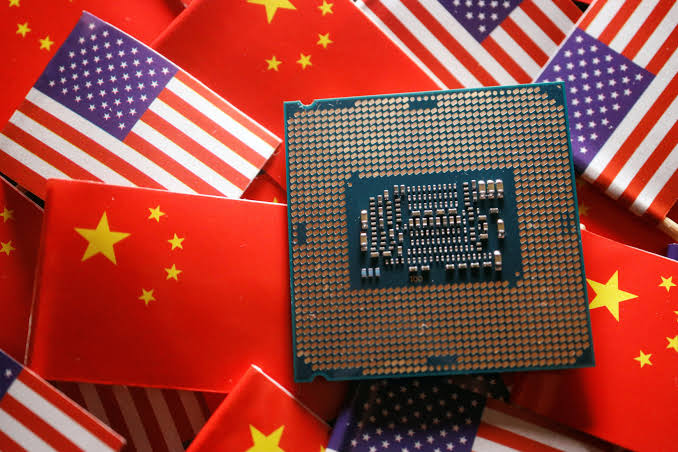
The measure is expected to directly affect China’s access to advanced AI processors. Washington has already imposed numerous restrictions on the supply of high-end semiconductors and AI chips to Beijing over national security and technology transfer concerns. However, the potential use of foreign data centers and cloud-based remote computing has remained a major avenue for indirectly circumventing those curbs. Advanced AI chips are essential for training and operating complex artificial intelligence systems, analyzing vast datasets, and running sophisticated models. Because organizations can access this processing power remotely without importing physical chips, the new rule seeks to enforce compliance at the service-delivery level, creating fresh hurdles for firms and institutions relying on third-country data centers.
Timing Ahead of Trump-Xi Jinping Meeting
The timing of the announcement carries significant diplomatic weight, arriving just ahead of President Trump’s talks with President Xi Jinping during his Asia trip. Trade and advanced technology have long been central points of friction between Washington and Beijing, with semiconductors and AI standing at the forefront of their strategic competition. While the United States is working to limit China’s access to cutting-edge technologies, Beijing has focused on building domestic capabilities and reducing reliance on foreign suppliers. Although the Commerce Department’s statement did not detail specific enforcement procedures, monitoring mechanisms, or penalties for violations, the rule signals a clear expansion of US oversight over how advanced AI hardware is accessed globally.