
Follow us on Google News

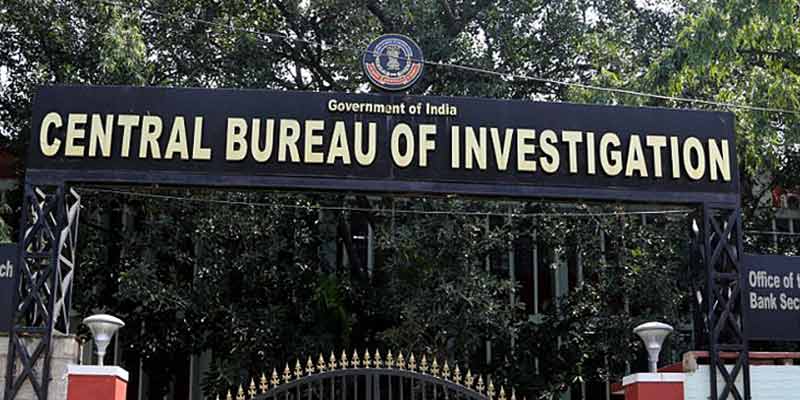
NEW DELHI: The Central Bureau of Investigation (CBI) has registered two separate cases against a retired Southern Railway official and several other individuals over alleged irregularities in the construction of a new broad-gauge railway line in Tamil Nadu. According to the investigating agency, the purported lapses during construction work on the 17.75-kilometre Milavittan-Melamarudur railway section caused an estimated financial loss of around ₹4 crore to the railways. The matter pertains specifically to the construction of bridges and protective retaining walls along this stretch.
In both First Information Reports (FIRs), the CBI has named Mohammad Salaiya, who served as the then Deputy Chief Engineer in the Madurai construction division of Southern Railway. The allegations state that prescribed procedures and technical standards were not followed during the execution of the rail line project. The agency is now working to determine the administrative level at which the construction work was approved, identify the exact roles played by various officials and contractors, and ascertain the precise financial loss suffered by the railways due to these alleged discrepancies.
Probe into Construction of Bridges and Retaining Wall
The focal point of the CBI investigation centers on two bridges and a retaining wall constructed within the Milavittan-Melamarudur section. The agency had received inputs regarding alleged unauthorized alterations and procedural irregularities in the execution of these civil works. Preliminary assessments conducted by the investigators indicate that the irregularities linked to these specific structures resulted in a loss of approximately ₹4 crore to the national transporter.
In standard railway infrastructure projects, the construction of bridges and retaining walls requires strict adherence to technical sanctions, approved designs, and established safety norms. Any decision involving design modifications, additional works, or changes in material usage during the construction phase can only be executed after obtaining formal approval from competent authorities. The investigating agency is currently examining whether these mandatory protocols were bypassed or violated during the execution of the works in question.
Two Separate FIRs Registered
Based on the nature of the offenses and the specific allegations tied to different segments of the construction work, the CBI decided to register two distinct cases. While the name of the then Deputy Chief Engineer Mohammad Salaiya appears in both FIRs, the involvement of other connected individuals also remains firmly under the scanner. However, the agency has not yet clarified the specific responsibilities or individual charges attributed to each accused person regarding the respective construction works.
To build its case, the agency is expected to scrutinize a wide range of project documents, including technical approvals, payment records, and official correspondence exchanged with contractors. This documentary examination will help investigators establish whether the alleged irregularities occurred at the decision-making stage or during the physical execution of the project. The probe will also look into whether any unwarranted cost escalations or misuse of public funds contributed to the financial loss incurred by the railways.
Scrutiny of Retired Official’s Role
Mohammad Salaiya was posted as the Deputy Chief Engineer in the Madurai construction division during the period when the project was being executed. Having named him in both cases, the CBI will thoroughly investigate the processes through which construction-related approvals were granted during his tenure and the level of supervision maintained over the ongoing works.
The roles of other stakeholders are also considered crucial to the investigation, as railway construction projects involve shared responsibilities among engineering officers, private contractors, technical staff, and officials handling billing and payments. Through its probe, the agency aims to clarify who benefited from the alleged irregularities and identify every individual responsible for causing losses to the public exchequer. The registration of an FIR does not establish guilt against the accused, and further legal action will depend on the findings derived from documentary evidence and witness statements.