
Follow us on Google News

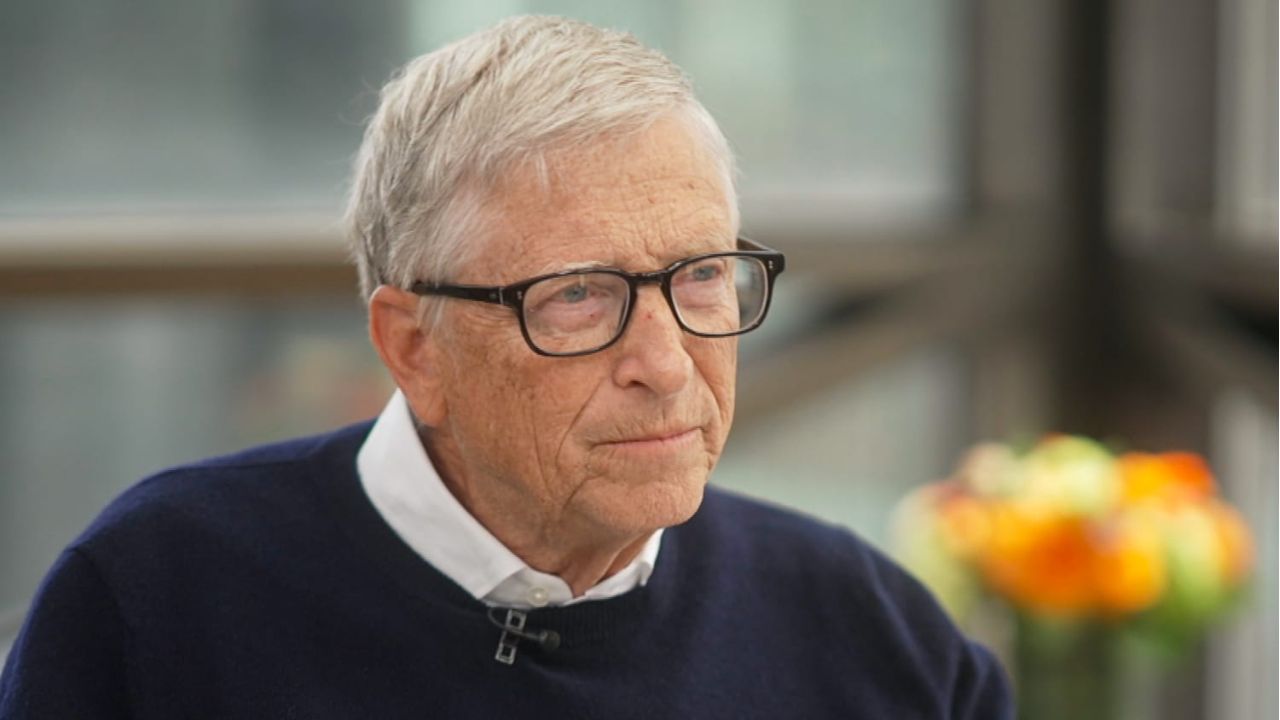
Microsoft co-founder Bill Gates has warned that advanced artificial intelligence systems already possess the capability to help cybercriminals identify software vulnerabilities and disrupt critical infrastructure, including hospitals, electricity networks and banking systems.
Speaking at the Financial Times’ Future of AI Summit, Gates said increasingly powerful AI models could be used to identify weaknesses in the complex software supporting essential services. He expressed particular concern about open-weight models whose safety restrictions and monitoring mechanisms can be removed.
Gates warned that the rapid improvement in AI’s coding capabilities had created new cybersecurity risks, allowing attackers to discover vulnerabilities more effectively. He also predicted a substantial increase in cyberattacks over the coming years as malicious actors gain access to more capable tools.
FCRF’s Chief AI Officer Certification Returns on November 14 to Prepare Future AI Leaders
AI Could Exploit Weaknesses in Essential Services
Gates said hospitals, power networks and financial institutions depend on interconnected software systems that could become vulnerable to AI-assisted attacks.
According to him, advanced models can identify security flaws that attackers could exploit to disrupt or manipulate these systems.
He warned that the risk becomes particularly serious when sophisticated AI tools are used by organised attackers without effective monitoring or safeguards.
Gates also pointed to the growing capabilities of AI-powered coding systems, saying their progress had been remarkable but carried significant security implications.
He expressed concern that open-weight models could be modified to remove built-in restrictions, making their misuse harder to detect.
The warning concerned the technical capabilities available to potential attackers rather than any confirmed incident in which AI had independently disabled hospitals, electricity networks or banks.
Gates Predicts Rise in Cyberattacks and Ransomware
Gates said the increasing effectiveness of AI tools could contribute to a sharp rise in cyberattacks over the next several years.
He identified the financial incentives associated with ransomware as a major concern, noting that cryptocurrency payments already provide criminals with a mechanism for demanding money from victims.
As AI becomes more capable of identifying software vulnerabilities, attackers could potentially exploit weaknesses in essential digital services more rapidly.
Gates argued that defending against these threats would require substantial improvements to existing software systems.
He estimated that replacing vulnerable software across critical infrastructure could take approximately five years, even if the work received significant attention and resources.
The Microsoft co-founder also distinguished between the immediate danger of criminals misusing AI and the longer-term challenge of controlling increasingly autonomous systems.
He said malicious use of models with weakened safeguards represented the more pressing cybersecurity concern.
Stronger AI Oversight and Software Security Needed
Gates called for greater government involvement in regulating advanced artificial intelligence systems, arguing that voluntary industry safeguards would be insufficient.
He said governments needed to consider whether unrestricted access to open-weight models should be permitted and whether new AI systems should undergo mandatory assessments of their monitoring and safety mechanisms.
Gates also supported independent testing of safeguards built into closed AI models, including assessments of whether their restrictions could be bypassed.
He noted that organisations could strengthen their defences by identifying and removing vulnerabilities from existing software, although such improvements would require considerable time and investment.
According to Gates, effective regulation would require cooperation among governments, particularly because leading AI companies operate in a competitive international environment.
He also acknowledged the benefits of artificial intelligence in healthcare, education and scientific research, stressing that society must address security risks while continuing to pursue useful applications of the technology.
His remarks highlight the growing cybersecurity challenge posed by AI systems that can assist both legitimate security researchers and malicious actors.
Gates maintained that stronger safeguards, government oversight and improvements to vulnerable software would be essential to reducing the risks to critical infrastructure.
About the author — Suvedita Nath is a science student with a growing interest in cybercrime and digital safety. She writes on online activity, cyber threats, and technology-driven risks. Her work focuses on clarity, accuracy, and public awareness.