
Follow us on Google News

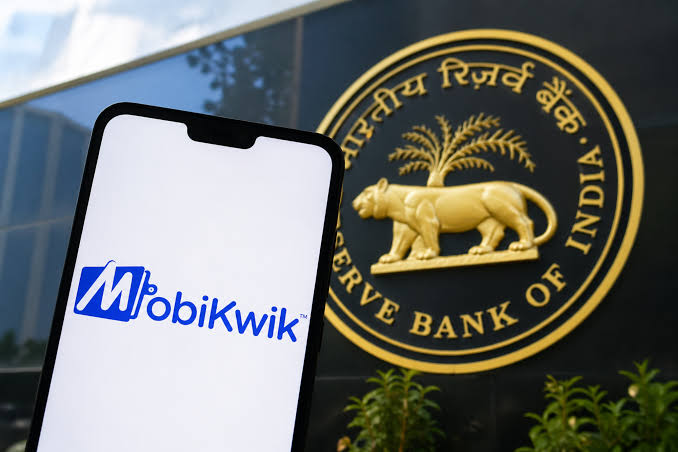
The Reserve Bank of India (RBI) has imposed a monetary penalty of ₹9 lakh on One MobiKwik Systems Limited for violating regulatory requirements related to prepaid payment instruments and fraud reporting. The action follows a supervisory inspection that identified irregularities in fund transfers and failures to report certain fraud incidents within the prescribed timeframe.
The penalty was imposed through an order dated November 6, 2026, under the provisions of the Payment and Settlement Systems Act, 2007.
What Regulatory Violations Did RBI Find?
The central bank identified two instances of non-compliance involving the company’s prepaid payment instrument operations and its obligations to report fraudulent activities.
According to the RBI’s findings, MobiKwik permitted certain prepaid payment instrument (PPI) holders to transfer funds to beneficiaries who had not been pre-registered, exceeding the limits prescribed under the applicable directions.
The regulator also found that the company had failed to report certain fraud incidents within the stipulated timeline, constituting a violation of its fraud reporting requirements.
https://the420.in/fcrf-certified-chief-ai-officer-second-cohort-november-2026/
These findings concern two important aspects of payment system regulation: adherence to restrictions governing fund transfers and timely disclosure of fraudulent transactions to the regulator. The RBI concluded that both charges were sustained and warranted monetary action against the company.
The penalty was imposed for non-compliance with provisions of the RBI’s directions on Prepaid Payment Instruments and Fraud Reporting.
How Did RBI Conduct the Investigation?
The regulatory action followed a statutory inspection of MobiKwik’s operations covering the period from June 2025 to March 2026.
During the inspection, the central bank examined the company’s compliance with applicable regulatory directions and identified deficiencies requiring further examination.
Following its supervisory findings and related correspondence, the RBI issued a show-cause notice asking the company to explain why a monetary penalty should not be imposed for the identified violations.
MobiKwik subsequently submitted its response to the notice, along with additional representations addressing the regulatory observations. The company was also given an opportunity to present oral submissions during a personal hearing before the regulator.
After considering the written response, additional submissions and explanations provided during the hearing, the RBI concluded that the charges relating to excessive transfers to non-pre-registered beneficiaries and delayed fraud reporting had been established. The central bank consequently imposed a penalty of ₹9 lakh.
The monetary action was taken under Section 30(1), read with Section 26(6), of the Payment and Settlement Systems Act, 2007.
What Does the Penalty Mean for MobiKwik?
The RBI clarified that the action was based on deficiencies in regulatory compliance and was not intended to determine the validity of any transaction or agreement entered into between MobiKwik and its customers.
The regulator also stated that the imposition of the monetary penalty would not prevent it from initiating further action against the company, if considered necessary.
The order therefore addresses compliance failures identified during the supervisory process rather than making findings about the legality of individual customer transactions.
The findings underline the regulatory obligations of companies operating prepaid payment systems, particularly in complying with prescribed transfer restrictions and reporting fraud within specified timelines.
For payment service providers, such requirements form part of the regulatory framework governing digital financial transactions.
The RBI’s order establishes that MobiKwik failed to meet the identified requirements during the period examined, resulting in the ₹9 lakh penalty.