
Follow us on Google News

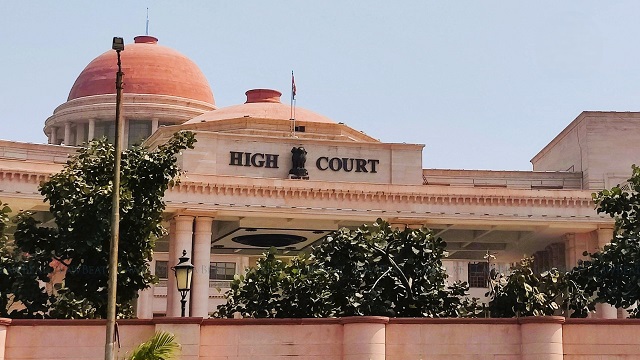
The Karnataka High Court has dismissed a petition filed by Razorpay co-founders and directors Harshil Mathur and Shashank Kumar seeking to quash criminal proceedings initiated against them following a complaint by the Serious Fraud Investigation Office (SFIO). The case centers on alleged illegal transactions linked to a digital lending company and purported lapses by Razorpay in merchant verification and transaction monitoring.
According to the investigation, Razorpay allegedly processed transactions worth around Rs 320 crore for Mad Elephant Network Technology, a firm accused of engaging in unauthorized digital lending activities. Investigators allege that the digital lending network used coercive and improper methods to recover loans from borrowers. The SFIO complaint flags alleged shortcomings in Razorpay’s obligation to screen merchants, monitor their operations, and prevent suspicious transactions on its platform.
Co-Founders Challenged Criminal Proceeding
Mathur and Kumar had approached the High Court seeking to quash the criminal case registered on the basis of the SFIO complaint. Following hearings, the court rejected their plea, clearing the way for the criminal proceedings to continue.
The matter underscores the responsibility of payment service providers to verify the identities and monitor the activities of merchants operating on their platforms. Since digital payment firms enable businesses to accept payments and process transactions, their merchant onboarding and monitoring systems can come under regulatory scrutiny if a client is accused of unlawful operations.
Earlier Relief in Enforcement Directorate Case
The Enforcement Directorate (ED) had previously initiated a money laundering probe into transactions connected to the same alleged illegal digital lending network. However, the Karnataka High Court had quashed the ED proceedings earlier, noting a lack of prima facie evidence showing that Razorpay knowingly assisted in transferring proceeds of crime.
Despite the quashing of the ED case, the SFIO complaint rests on a distinct set of allegations and findings. While the money laundering case examined whether the company knowingly facilitated the movement of illicit funds, the SFIO complaint focuses on alleged negligence in onboarding the merchant and monitoring its financial transactions.
Investigation Focuses on Rs 320 Crore Transactions
The Rs 320 crore transactions processed for Mad Elephant Network Technology form the core of the SFIO investigation. The agency alleges that the firm was involved in illegal digital lending and routed its payments through Razorpay’s infrastructure. Investigators are now examining what documents and details were collected during the merchant’s onboarding, the extent of due diligence conducted on its business model, and whether suspicious transaction alerts were acted upon.
Coercive recovery practices in the digital lending sector have long drawn scrutiny from regulators and enforcement agencies, with frequent complaints of borrowers facing threats, harassment, and misuse of personal data. In this case, investigators are probing the link between these alleged recovery practices and the payment processing network.
The High Court ruling comes shortly after Razorpay reportedly received final approval from the Securities and Exchange Board of India (SEBI) for its proposed Rs 5,000 crore to Rs 6,000 crore initial public offering, which is expected to value the company at around five billion dollars. While the continuation of the SFIO proceedings marks a significant legal development ahead of the listing, the dismissal of the petition does not establish guilt. The allegations and supporting evidence will be examined during the course of the trial.