
Follow us on Google News

Norway has temporarily halted power connection reservations for new data centres amid mounting strain on its national electricity grid, a measure that could decelerate the pace of artificial intelligence and cloud computing expansion in the country. Network operator Statnett announced on Monday that the process of reserving power connections for upcoming facilities is being placed on hold while the nation balances infrastructure capacities against unprecedented energy requirements. The restriction is designated as a temporary measure, with expectations that the ban could be lifted by August 1, 2027, or possibly earlier if network conditions permit.
Mounting grid pressure prompts network operator action
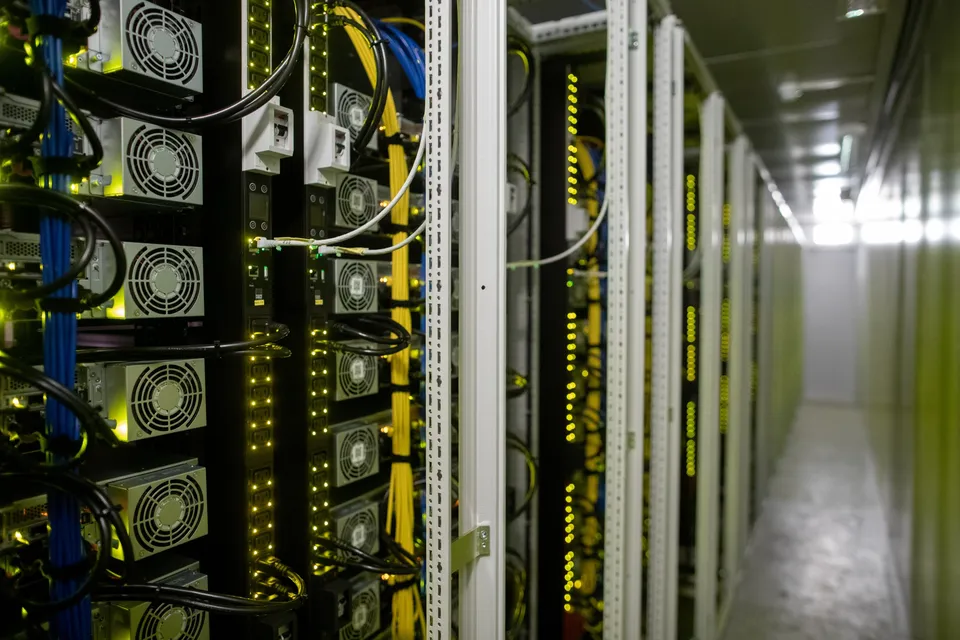
The rapid expansion of the data centre industry in Norway has created significant demands on transmission infrastructure, primarily driven by the massive processing capacity required for training artificial intelligence models and managing cloud computing operations. These computing facilities demand vast, uninterrupted power supplies, prompting concerns that a surge in new requests could destabilise network reliability.
According to Statnett, data centres with an aggregate capacity of approximately 800 megawatts are currently connected to the Norwegian power grid. This volume represents a substantial share of national consumption. In light of escalating future requests and prospective load burdens, the operator determined that freezing connection reservations was essential to preserve overall system stability.
New projects face delays as industry weighs impact
The freeze directly impacts institutional investors and technology firms planning to establish new data facilities or scale existing operations within Norway. Securing a power reservation constitutes a foundational milestone for any major development, without which enterprises cannot establish viable construction schedules or finalise capital outlays.
Statnett’s policy comes at a time when technology firms worldwide are making unprecedented capital investments into computing capacity to support emerging digital infrastructure. As data facilities consolidate their standing among major power-consuming sectors, the availability of electricity has become an increasingly decisive determinant for cross-border investments and technological advancement.
Energy constraints challenge digital infrastructure growth
The sustained growth of the artificial intelligence sector relies on advanced server architectures, specialised processors, and extensive computing arrays that require continuous electricity for operational performance and thermal management. As server densities climb, the cumulative power draw of these sites has risen proportionally.
Norway’s policy underlines a wider systemic reality: the ongoing roll-out of the digital economy cannot rely solely on the provision of servers and financial investment, but depends fundamentally on robust transmission networks and sustained power capacity. While Statnett expects the freeze to conclude by August 1, 2027, project developers must now await network assessments as utilities and authorities worldwide confront the challenge of balancing technological acceleration against infrastructural constraints.