
Follow us on Google News

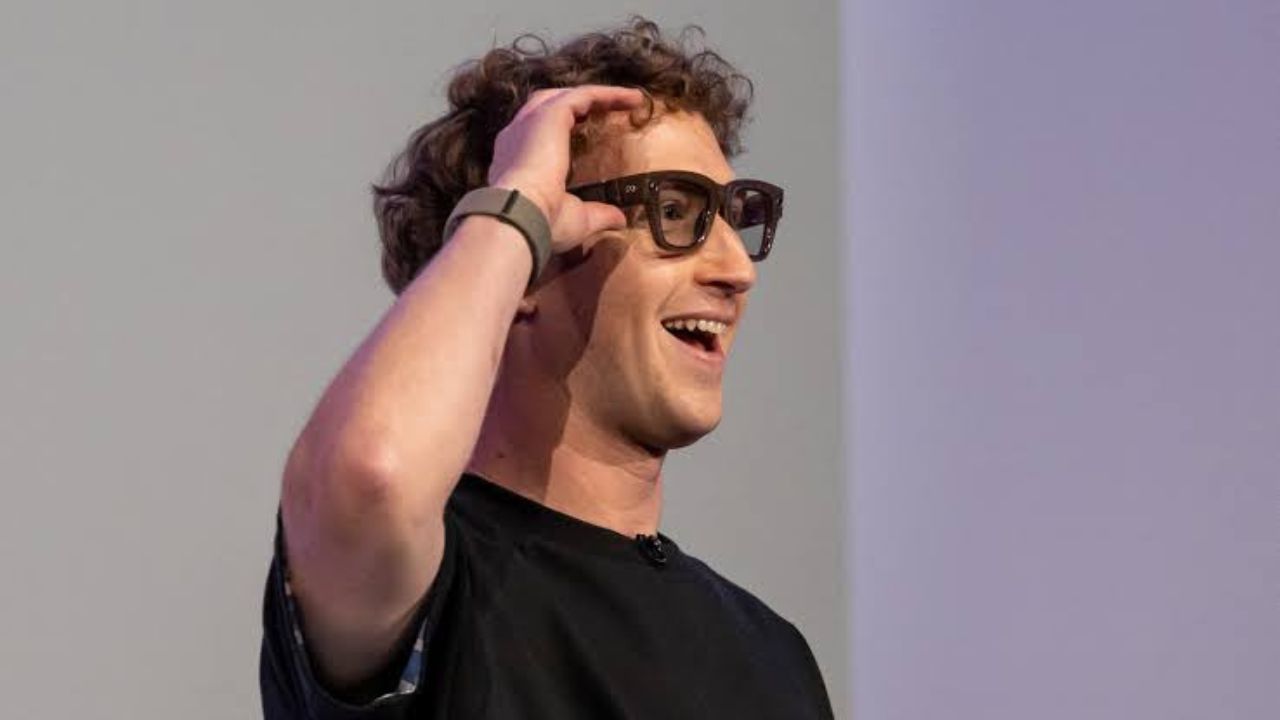
The UK government is considering restrictions on smart glasses amid growing concerns that the devices are being used to secretly record women without their knowledge or consent. Safeguarding Minister Satvir Kaur said officials were examining limits on their use in certain settings and possible restrictions on sales to specific users.
Speaking during a debate in the House of Commons, Kaur acknowledged the privacy and safety risks associated with wearable recording technology while emphasising its benefits for people with disabilities.
The discussions follow concerns raised by Liberal Democrat MP Anna Sabine about women discovering videos of themselves circulating online after being filmed without consent by people wearing smart glasses.
FCRF’s Chief AI Officer Certification Returns on November 14 to Prepare Future AI Leaders
UK Government Examines Restrictions on Smart Glasses
Kaur told Parliament that the government was reviewing options to restrict smart glasses in particular environments and potentially limit their sale to certain users.
She said the benefits of the technology must be balanced against the harm it could cause, particularly when devices equipped with cameras are used for covert recording.
The minister noted that filming with smart glasses could already breach existing laws in settings where cameras are prohibited, including courtrooms.
She also pointed to healthcare and educational institutions, where safeguarding and professional policies govern digital recording.
According to Kaur, NHS England and the Department for Education are examining the implications of wearable technology in certain settings.
However, the government has not announced a nationwide ban or confirmed any specific restrictions.
MP Raises Concerns Over Women Secretly Filmed in Public
Liberal Democrat MP Anna Sabine, who led the parliamentary debate, warned that smart glasses could undermine women’s privacy and safety in public spaces.
Sabine said women had reported discovering videos of themselves circulating widely online after nights out, despite being unaware that they had been recorded.
She raised concerns about the ability of smart glasses to capture footage discreetly, noting that some advertisements promote this feature as a selling point.
The MP argued that the technology raises important questions about consent and urged lawmakers to address potential risks before misuse becomes more widespread.
The discussion also touched on the use of smart glasses in legislative settings.
Reform UK politician Jason O’Connell, a member of the Senedd representing Pontypridd Cynon Merthyr, recently defended using a built-in teleprompter feature in his glasses while delivering a speech.
O’Connell said the technology helped him avoid repeatedly looking down at written notes during proceedings.
Meta Defends Privacy Safeguards, Minister Acknowledges Benefits
Meta defended the design of its smart glasses, saying the devices include visible indicators intended to notify others when recording takes place.
A company spokesperson said every pair equipped with a camera has a bright light on the front that flashes when users take photographs or record videos.
According to Meta, the indicator cannot be switched off, and the camera becomes disabled if someone covers or tampers with it.
The company also highlighted legitimate uses of the technology, including listening to music, live translation and hands-free communication.
Kaur similarly acknowledged that smart glasses can offer considerable benefits, particularly for visually impaired people who use them to navigate their surroundings.
The government’s review is therefore examining how to address privacy and safeguarding concerns while recognising the accessibility benefits of wearable devices.
For now, the proposed restrictions remain under consideration, with no formal decision announced on a wider ban or sales limitations.
About the author — Suvedita Nath is a science student with a growing interest in cybercrime and digital safety. She writes on online activity, cyber threats, and technology-driven risks. Her work focuses on clarity, accuracy, and public awareness.