
Follow us on Google News

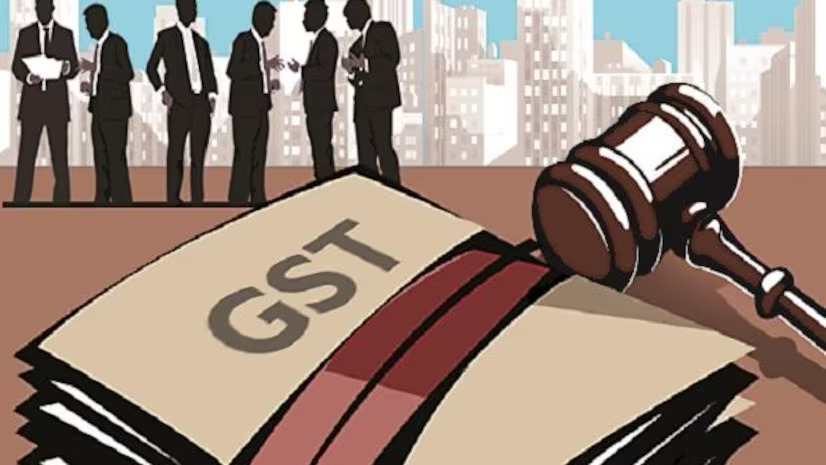
Karnataka has witnessed an unprecedented surge in Goods and Services Tax (GST) evasion during the financial year 2024–25, with figures climbing to nearly ₹40,000 crore. Finance Minister Nirmala Sitharaman revealed in a written reply in the Lok Sabha that Central GST (CGST) officers detected evasion worth ₹39,577 crore across 1,254 cases in the state, marking the steepest rise in three years.
The data underscores a significant increase compared to previous years. In 2023–24, GST evasion of ₹7,202 crore was identified in 925 cases, while in 2022–23, evasion worth ₹25,839 crore surfaced in 959 cases. Enforcement efforts in FY25 also led to nine arrests and the recovery of ₹1,623 crore through voluntary tax payments.
Data Protection and DPDP Act Readiness: Hundreds of Senior Leaders Sign Up for CDPO Program
Clarification on UPI-Based Notices
The disclosure comes at a time when Bengaluru traders have staged protests against what they describe as “excessive” GST notices. Many small shopkeepers alleged that they were being targeted purely based on digital transaction data, including Unified Payments Interface (UPI) records.
In response, Sitharaman clarified that no GST notices have been issued by the Central authorities on the basis of UPI transactions. Instead, she pointed out that the recent batch of notices in Karnataka originated from State GST field offices, shifting the responsibility away from the Centre.
Political and Economic Ramifications
The steep rise in evasion detection is expected to spark further debate on GST compliance and the burden on small businesses. Karnataka, a leading state in GST collections, has been under scrutiny for its enforcement practices. With the escalation in evasion cases, concerns are mounting that aggressive tax policing could hinder the ease of doing business and fuel political tensions.
The figures, surpassing even the FY23 levels, highlight the government’s intensifying focus on compliance and revenue protection. However, with growing resentment among traders and questions over the methods of enforcement, the issue is likely to remain a flashpoint in the state’s economic discourse.