
Follow us on Google News

Supreme Court Tightens Grip on Real Estate Irregularities
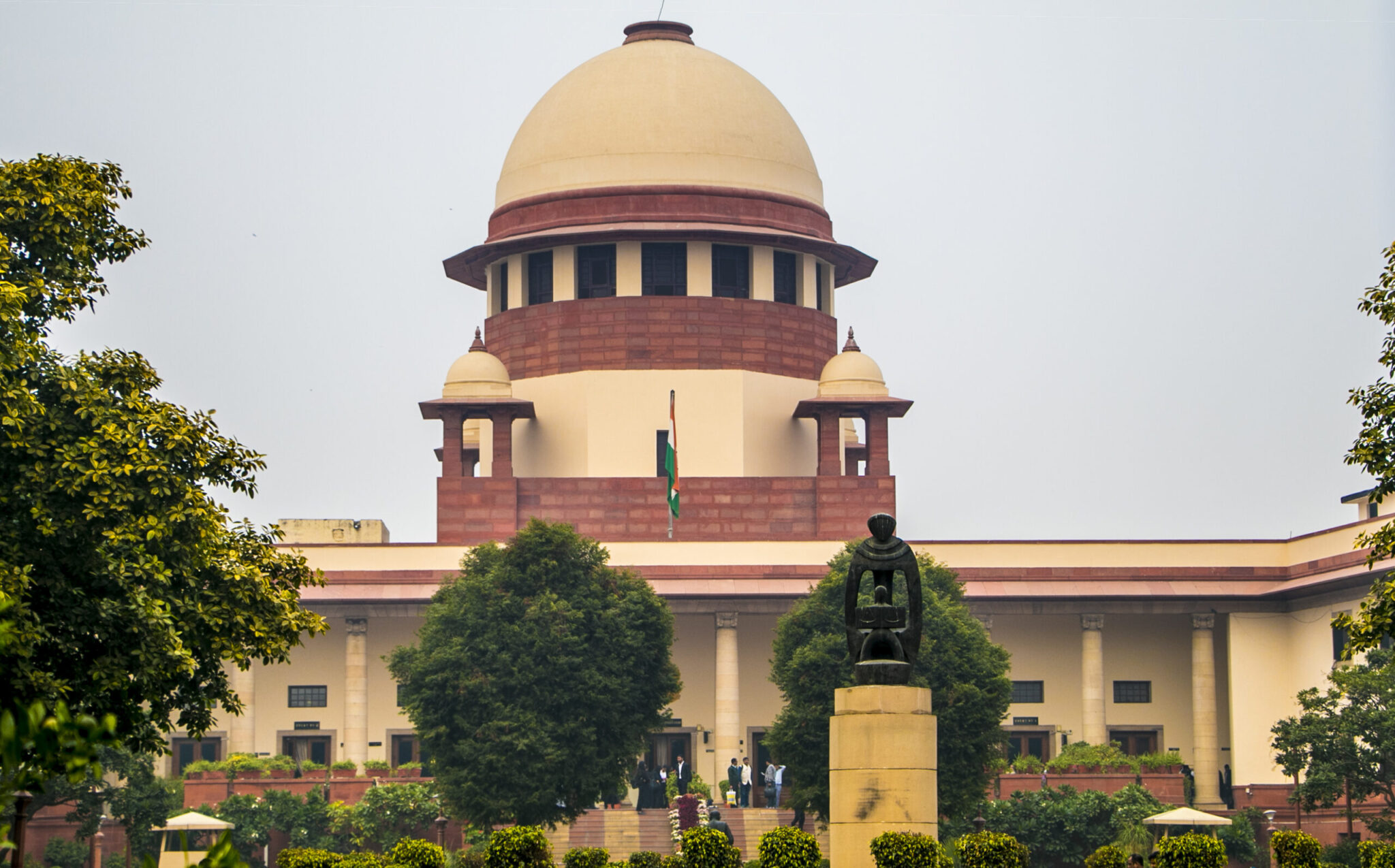
New Delhi: In a rebuke to the Noida Authority, the Supreme Court has ordered the formation of a new Special Investigation Team (SIT) to probe alleged collusion between officials and builders in inflated land compensation and project approvals. The bench, led by Justices Surya Kant and Joymalya Bagchi, expressed concern over systemic delays and opacity in past inquiries.
The court directed the Uttar Pradesh government’s Director General of Police to constitute a three-member SIT comprising senior IPS officers. The team’s mandate is to examine financial records, including bank accounts and asset ownership, of Noida Authority officials and landowners suspected of improperly benefiting from acquisitions. A preliminary inquiry must be conducted within eight weeks, with findings to be filed before the court.
Data Protection and DPDP Act Readiness: Hundreds of Senior Leaders Sign Up for CDPO Program
Allegations of Overpayment and Administrative Lapses
The move follows a prior CAG audit and judicial criticism highlighting irregularities at the Greater Noida Industrial Development Authority, chiefly, plots allotted to unqualified or defaulting builders, bypassing proper bidding protocols. Additionally, the court flagged a troubling pattern: inflated compensation paid to ineligible landowners in certain acquisitions—pointing to a possible nexus between officials and claimants.
As the new SIT takes shape, the court further directed that no new project be approved without valid Environmental Impact Assessments and Supreme Court green-bench clearances—reinforcing the need for environmental compliance and financial probity.
Citizen Representation and Institutional Reform
Responding to concerns over public exclusion, the tribunal also mandated the creation of a Citizen Advisory Board (CAB) within four weeks, invoking provisions under the Uttar Pradesh Industrial Development Act, 1976. This marks the first time citizen representation will be formally integrated into Noida’s governance frameworka step widely welcomed by RWAs (resident welfare associations) as a move toward accountability and transparent decision-making.
Additionally, the court suggested converting the Noida Authority into a “metropolitan council” to better align it with urban governance standards, signaling long-term institutional reform.