
Follow us on Google News

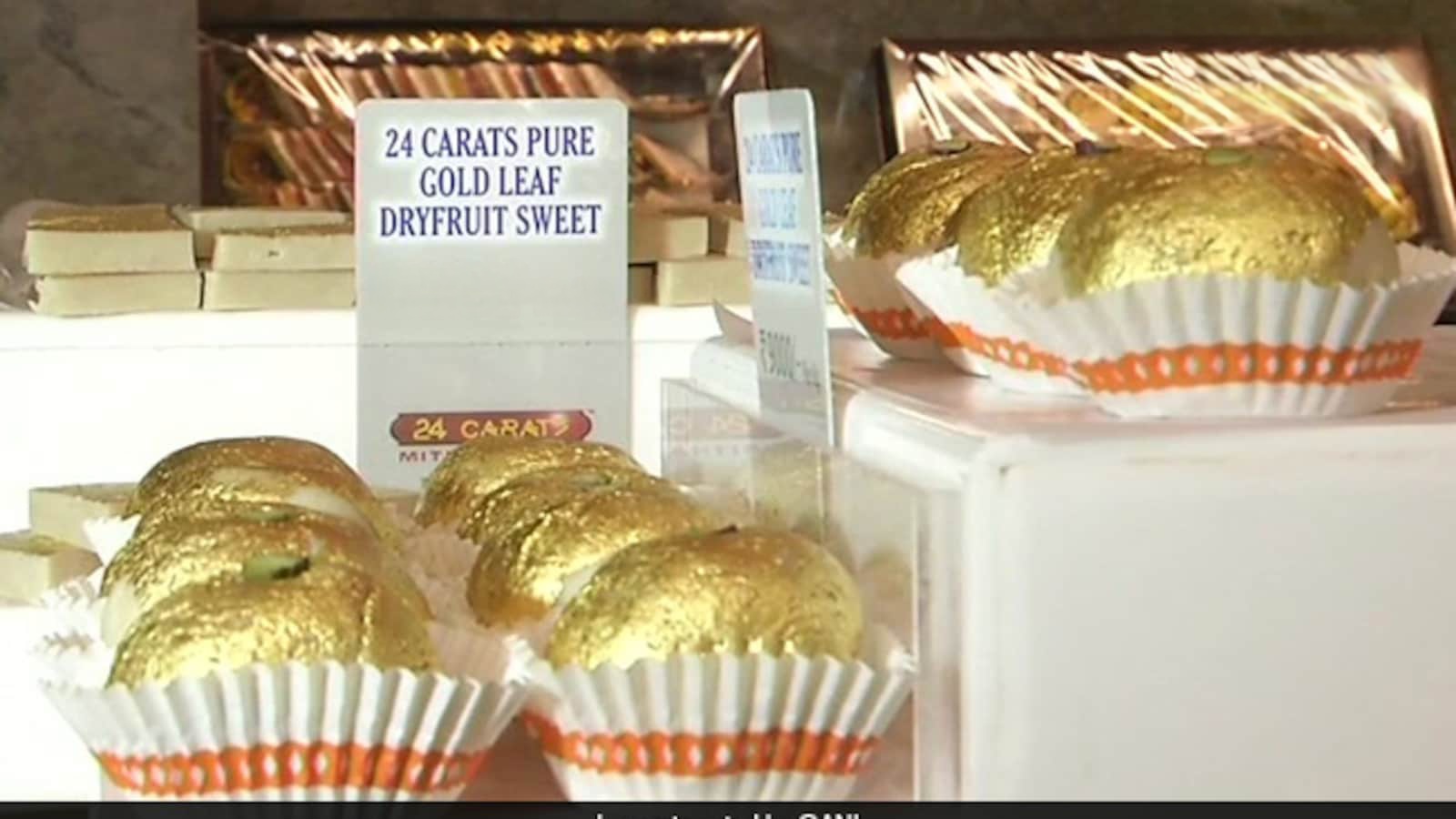
The Maharashtra Food and Drug Administration has initiated an inquiry into gold-plated sweets being sold at an Amravati confectionery for ₹24,000 per kilogram. Food safety officials collected samples of the high-priced sweets directly from the shop and forwarded them to a laboratory for comprehensive testing. The regulatory move is designed to determine whether the shimmering exterior contains genuine gold and to establish whether the composition of the product aligns with the quality representations made to consumers.
Laboratory evaluation to verify precious metal claims
The administrative decision to seize samples followed specific intelligence received by the authorities regarding the sale of confectionery at an exceptionally high retail rate. FDA Commissioner Tukaram Mundhe confirmed that the department acted after learning of the ₹24,000-per-kilogram price point in Amravati, prompting official steps to confirm product authenticity. The regulatory agency has not recorded any finding of wrongdoing at this stage, noting that the laboratory report will form the evidentiary basis for verifying the seller’s commercial representations.
The primary objective of the scientific examination is to establish whether the surface layer consists of pure gold or an alternative metal or substitute substance. Because the confectionery commands a significant financial premium, verifying the authentic presence of gold is critical to consumer transparency. The chemical analysis will test the purity and nature of the external foil, offering clarity on whether the sweet matches the advertised premium standard.
Steep retail valuation prompts regulatory scrutiny
The steep price tag of ₹24,000 per kilogram has drawn widespread public and regulatory attention, setting the confectionery apart from regular market offerings. The significant disparity in price compared to conventional sweets prompted officials to scrutinize the justification for the rate and verify whether the costly decorative element consists of an actual precious metal.
The regulatory intervention focuses on protecting the economic and health interests of buyers by verifying high-value commercial claims. Under food safety norms, marketing a consumable item around exclusive or expensive ingredients requires strict adherence to factual accuracy. If the laboratory findings establish that the coating is not genuine gold or that the ingredients diverge from the seller’s representations, the department will have legal grounds to pursue statutory proceedings under applicable food safety provisions.
Decisions on statutory action await analytical findings
The enforcement process currently remains at the testing phase, with samples undergoing chemical scrutiny. Once the official laboratory analysis is handed over to the administration, officials will evaluate whether the confectionery complies with mandated food safety standards. The review will also address whether the establishment provided transparent and accurate disclosures regarding the composition and ingredients of the product.
Ensuring the integrity of food claims and monitoring ingredient purity remain crucial elements of statutory consumer protection. Regulatory oversight becomes particularly necessary when vendors charge exceptional sums on the premise of incorporating rare or costly components into edible products. The administration has emphasized that future regulatory steps will depend strictly on the scientific findings.
Attention is now centered on the pending laboratory report from the testing facility. The forthcoming analytical results will settle whether the ₹24,000-per-kilogram sweets genuinely incorporate pure gold coating or whether the claims made by the Amravati seller lack scientific substantiation.