
Follow us on Google News

Fraudster Posed as MD to Trick Staff into Transferring Funds
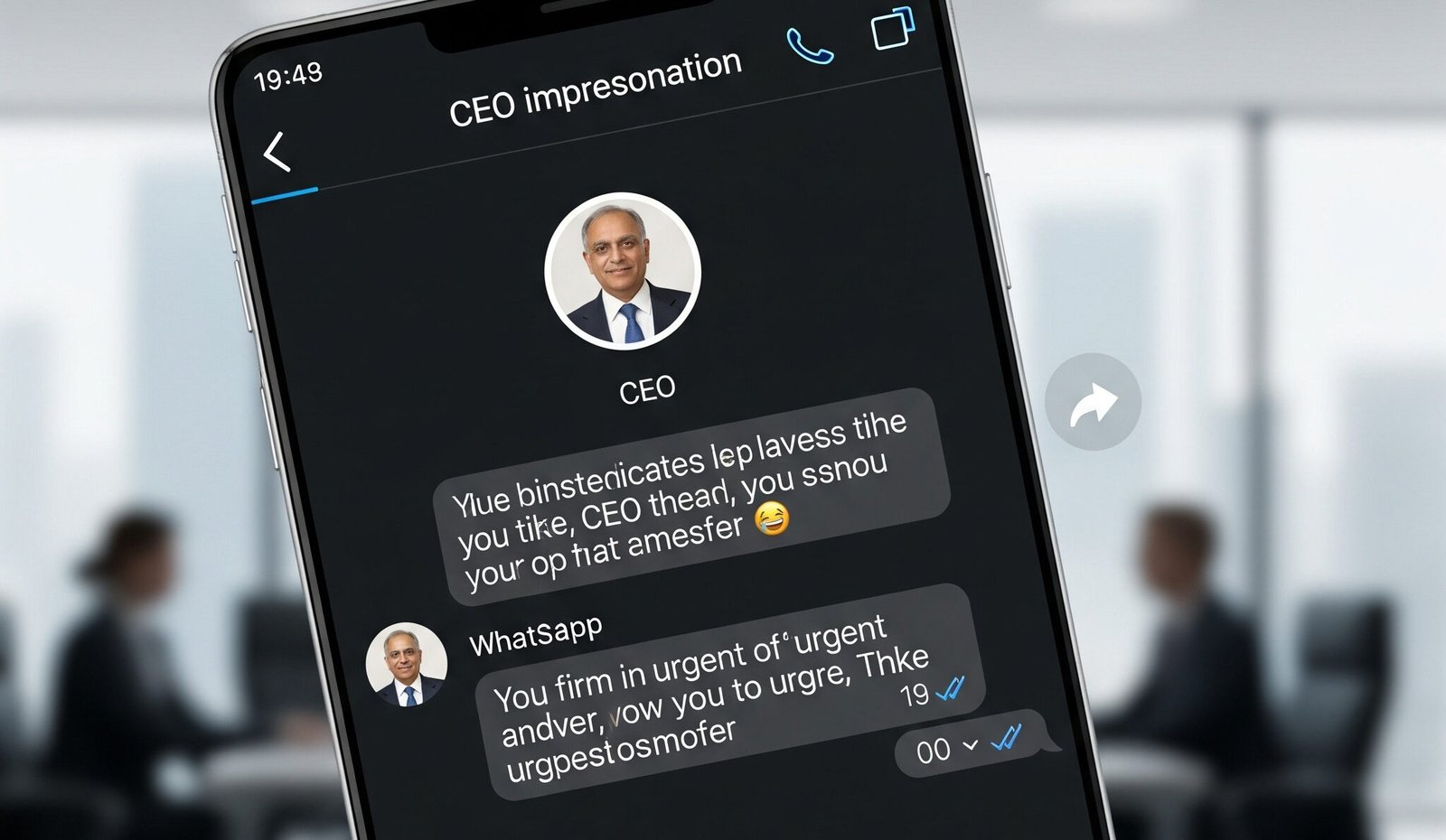
A fraudster posing as the managing director (MD) of a company on WhatsApp successfully duped employees into transferring several crores of rupees. The scam was executed with clinical precision, using a spoofed phone number and carefully crafted messages that mimicked the language and tone of the real MD.
According to reports, the impostor contacted a senior employee, claiming to be in an urgent financial meeting and needing immediate fund transfers to a confidential account. Trusting the apparent identity and urgency, the employee authorized the transactions without verifying the communication through official channels.
The scam came to light only after the actual MD was contacted and denied initiating any such communication or transactions. By then, a substantial sum had already been siphoned off.
FCRF x CERT-In Roll Out National Cyber Crisis Management Course to Prepare India’s Digital Defenders
Investigation Underway; Cybercrime Units Involved
Law enforcement authorities have initiated a probe into the incident. Cybercrime experts suspect the fraudster may have obtained insider knowledge or had prior access to internal communications, allowing for such convincing impersonation. Initial findings suggest the use of a virtual number and possibly cloned WhatsApp profiles, making detection difficult.
The incident has sparked renewed concern about digital fraud in the corporate sector, especially involving trusted communication platforms like WhatsApp. Experts urge companies to implement multi-level verification systems for financial authorizations and avoid relying solely on instant messaging platforms for critical decisions.
Algoritha: The Most Trusted Name in BFSI Investigations and DFIR Services
Cybersecurity professionals also emphasize regular employee training and awareness campaigns to recognize red flags in communication, particularly those involving fund transfers and confidential account details.
Law enforcement agencies are collaborating with tech companies and tracing digital footprints to locate the perpetrator. The possibility of an organized cybercriminal syndicate operating behind the scenes is also being explored.
About the Author – Anirudh Mittal is a B.Sc. LL.B. (Hons.) student at National Forensic Sciences University, Gandhinagar, with a keen interest in corporate law and tech-driven legal change.