
Follow us on Google News

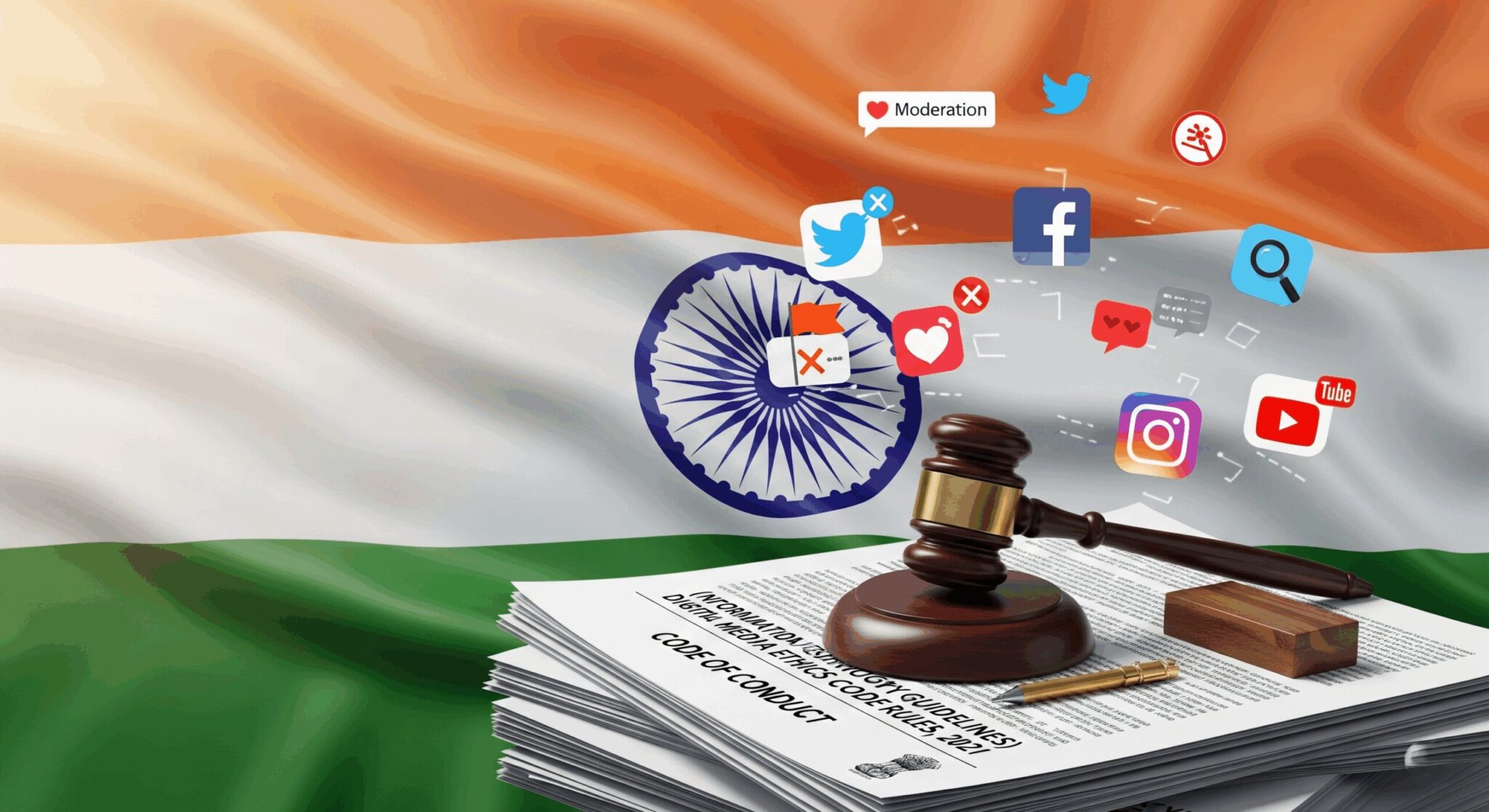
The Internet Freedom Foundation (IFF) has warned that a proposed review of safe harbour protection under Section 79 of the Information Technology Act could encourage widespread removal of online content and threaten freedom of expression in India.
Why Is IFF Opposing the Safe Harbour Review?
The organisation said withdrawing legal protection for online intermediaries could make platforms such as Meta, Google and X liable for user-generated content, encouraging them to remove posts whenever they anticipate complaints or legal proceedings.
IFF argued that safe harbour is a legal safeguard for ordinary internet users rather than a privilege granted to technology companies. Without it, platforms could remove political criticism, protest coverage and satire to avoid potential liability, even where the content does not violate the law.
The warning follows reports of government dissatisfaction with how social media algorithms distribute political content. According to the report cited by IFF, discussions within the Ministry of Electronics and Information Technology (MeitY) were influenced by allegations that platforms favoured Opposition narratives over government messaging, alongside concerns about Instagram’s role during student protests in July.
https://the420.in/fcrf-certified-chief-ai-officer-second-cohort-november-2026/
What Legal Protections Does Section 79 Provide?
IFF referred to the Supreme Court’s 2015 judgment in Shreya Singhal v. Union of India, which examined intermediary liability under Section 79 of the IT Act. The court read down Section 79(3)(b), establishing safeguards concerning the removal of unlawful online content.
Under the judgment, intermediaries could be required to remove or disable access to unlawful material following a court order or a lawful direction from the appropriate government agency. The ruling sought to prevent platforms from independently determining the legality of every user-generated post under the threat of losing legal protection.
IFF warned that weakening these safeguards could encourage excessive content removal. It also cited the government’s 2023 fact-checking unit amendment, subsequently struck down by the Bombay High Court, and raised concerns about takedown requests through the Sahyog portal, which X is challenging in court.
What Other Concerns Has the Organisation Raised?
IFF described the reported proposal as part of increasing regulatory pressure on digital platforms. It referred to an August episode in which a parliamentary standing committee reportedly demanded an apology from Meta CEO Mark Zuckerberg over the temporary removal of a video featuring the Prime Minister.
The organisation also criticised MeitY advisories issued on October 8 and 10, 2026, arguing that enhanced due diligence requirements could encourage proactive censorship. It opposed proposals requiring government approval before platforms introduce changes to their products or services, warning that such measures could create excessive regulatory control.
However, IFF acknowledged serious online harms involving child sexual abuse material, non-consensual intimate images and deepfakes. Referring to the Supreme Court’s observations in the Just Rights for Children Alliance matter on October 15, 2026, it advocated targeted obligations, independent oversight, transparent takedown procedures and effective grievance redressal instead of blanket intermediary liability.
What Action Will IFF Take Next?
IFF said it would submit a detailed representation to MeitY challenging the proposed changes to Section 79 as unconstitutional and unworkable. It also plans to approach the parliamentary standing committee on communications and information technology.
The organisation intends to file Right to Information applications seeking meeting records, agendas, attendance details and official file notings connected with the safe harbour review, including discussions involving Meta and other platforms during July and August.
IFF has demanded publication of any proposed amendments, followed by public consultation and parliamentary debate. It said decisions affecting online expression should not emerge solely from closed-door discussions between government officials and technology companies.